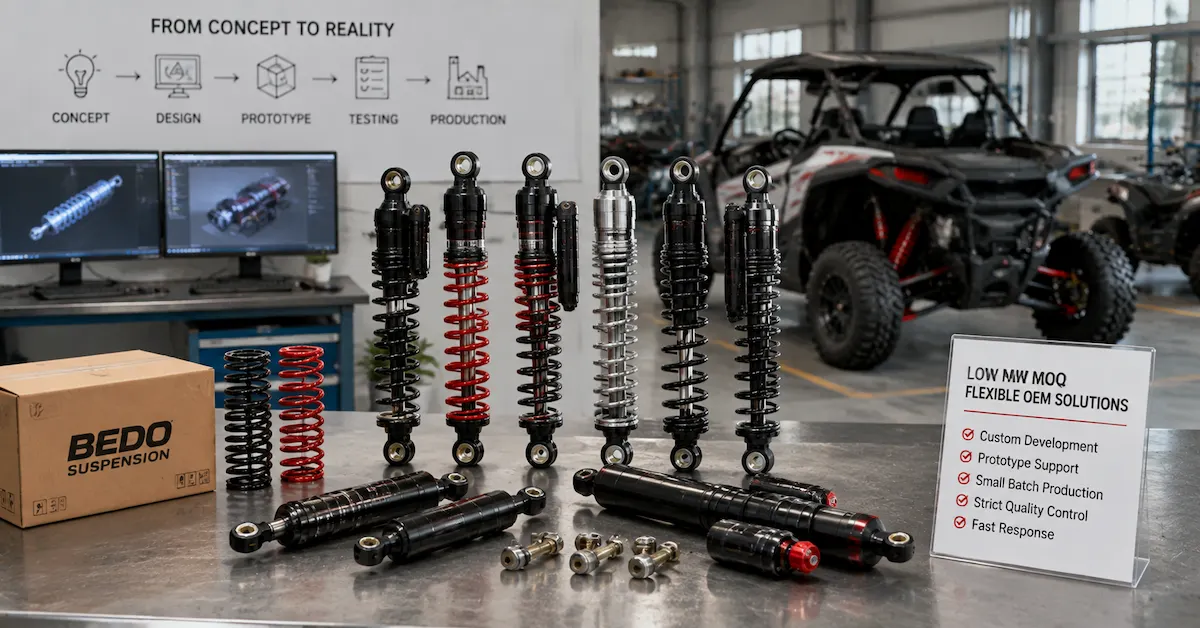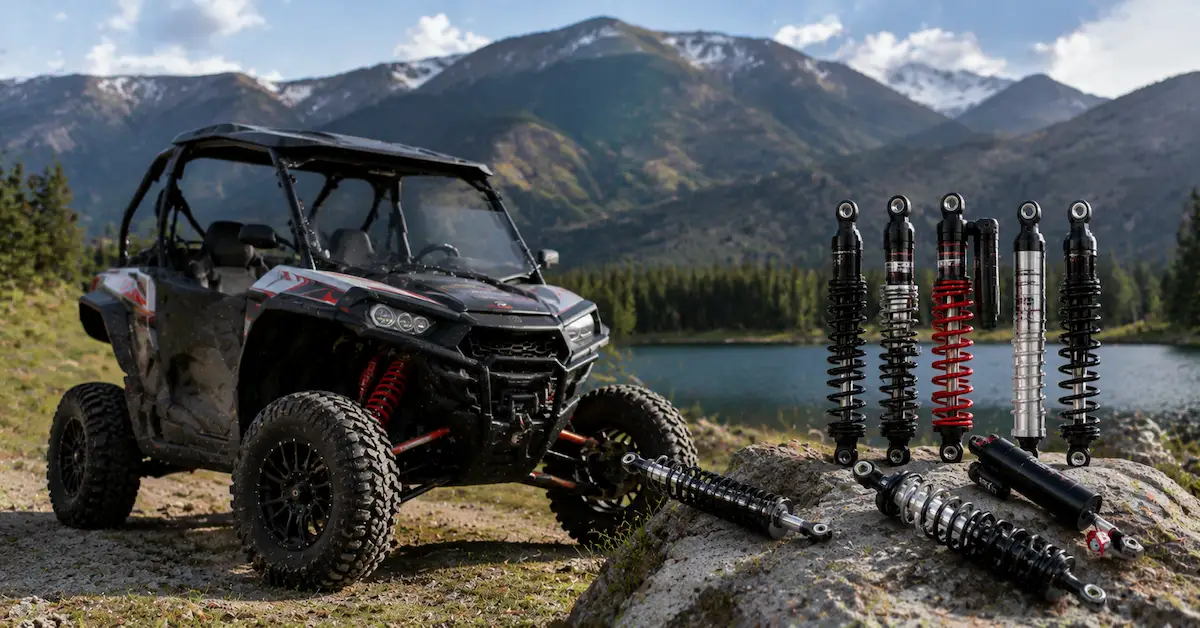

Developing a new suspension product involves many engineering decisions, and mistakes made during the early stage can create expensive problems during mass production.
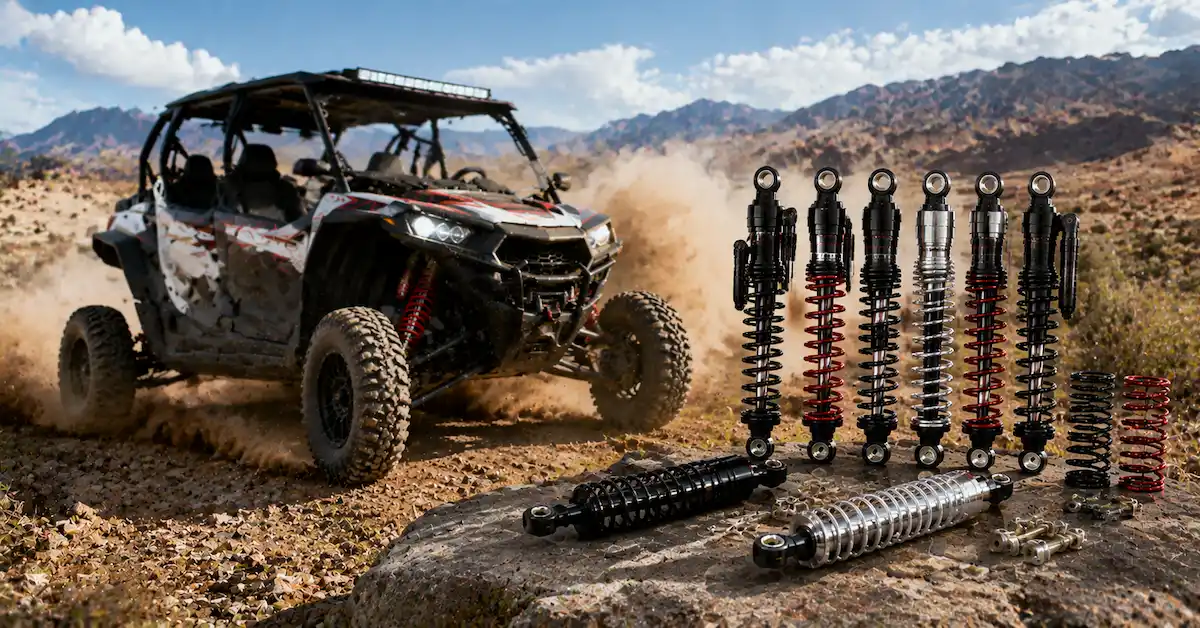
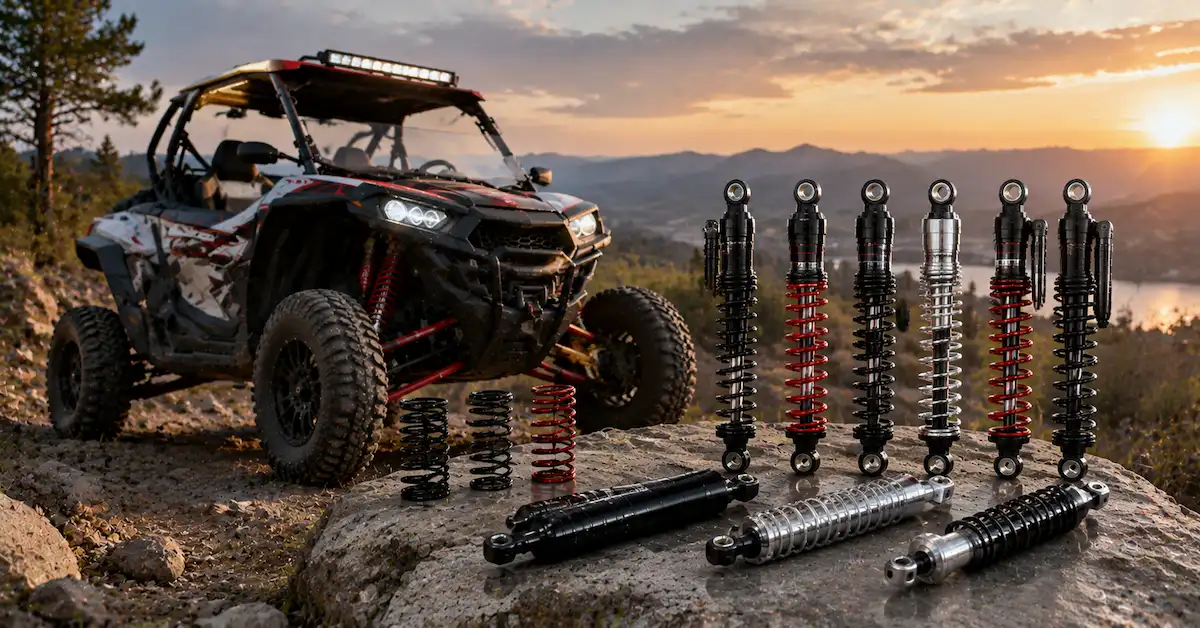
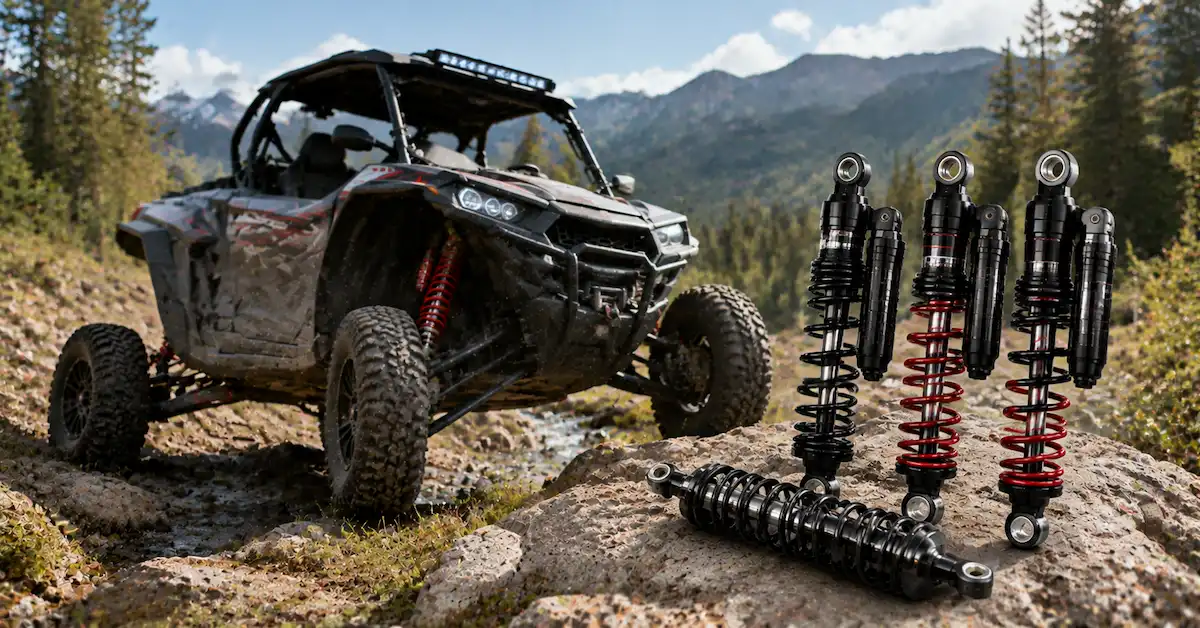
For vehicle manufacturers, aftermarket brands, and suspension companies, working with an experienced shock absorber prototype supplier helps validate product concepts before committing to large-scale manufacturing.
A prototype allows engineers to evaluate:
- Installation compatibility
- Suspension movement
- Spring and damping performance
- Structural strength
- Material selection
- Manufacturing feasibility
Without prototype validation, problems may only appear after production begins, leading to:
- Repeated tooling changes
- Increased development costs
- Production delays
- Customer complaints
- Product returns
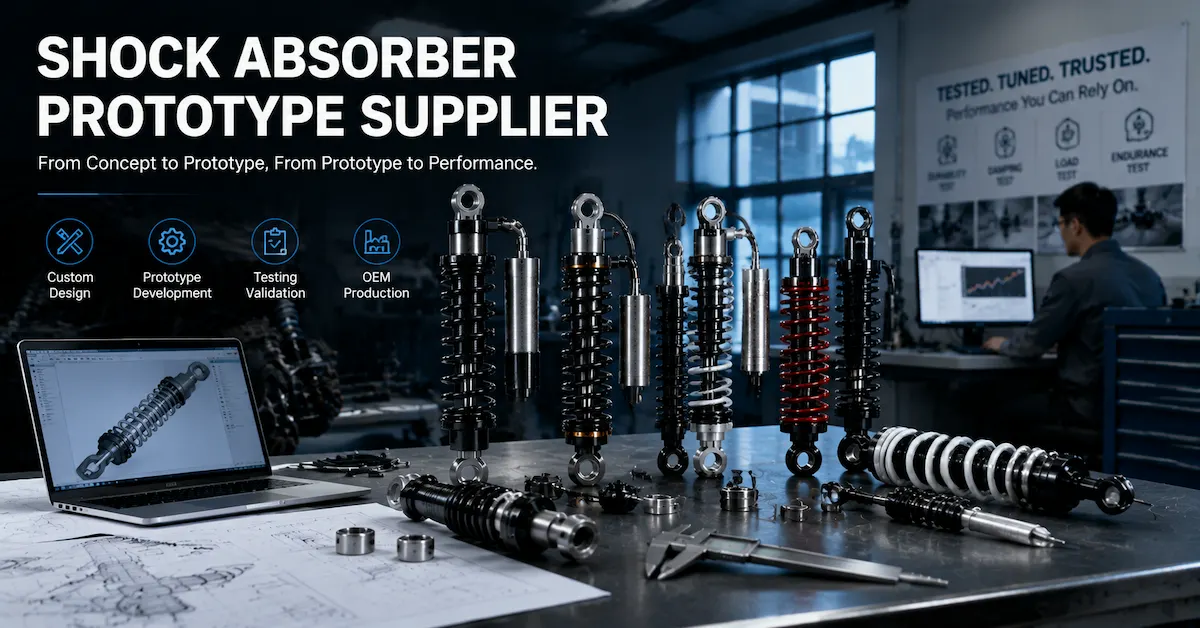
A professional prototype supplier provides engineering support from concept verification to production preparation.
Why OEM Suspension Projects Need Prototypes
Shock absorbers are complex mechanical components.
Their performance depends on many factors:
- Vehicle weight
- Suspension geometry
- Spring rate
- Compression damping
- Rebound damping
- Stroke length
- Oil specification
- Valve design
- Material quality
A shock absorber that looks correct externally may still fail during real operation.
For example:
A vehicle manufacturer may develop a new electric vehicle platform. The battery system increases vehicle weight, changing suspension requirements.
A UTV manufacturer may add cargo capacity, requiring stronger spring support.
An aftermarket company may want a performance upgrade shock with adjustable damping.
In all these cases, prototype testing helps confirm whether the design meets the actual application requirements.
What Does a Shock Absorber Prototype Supplier Do?
A professional supplier supports multiple development stages.
| Stage | Supplier Responsibility |
|---|---|
| Requirement analysis | Understand vehicle application |
| Engineering review | Evaluate feasibility |
| Prototype design | Develop suspension structure |
| Manufacturing | Produce trial samples |
| Testing | Verify performance |
| Optimization | Improve design |
| Pilot production | Prepare for mass manufacturing |
A capable supplier does not simply manufacture samples. It helps engineers identify problems and improve the design before production.
Prototype Development Process
Step 1: Requirement Analysis
The supplier collects:
- Vehicle model
- Vehicle weight
- Load requirements
- Installation dimensions
- Suspension position
- Operating environment
- Performance goals
This information determines the basic development direction.
Step 2: Sample and Drawing Evaluation
Many projects start from:
- Existing shock absorber samples
- Technical drawings
- 3D models
- Vehicle specifications
Engineers evaluate:
- Mounting structure
- Shock length
- Stroke
- Spring dimensions
- Available installation space
This stage helps identify potential problems before manufacturing.
Step 3: Prototype Design
The prototype design may include:
- Shock body structure
- Mounting design
- Spring specification
- Reservoir configuration
- Adjustment system
Important considerations include:
- Strength
- Weight
- Installation clearance
- Manufacturing feasibility
- Service requirements
Step 4: Prototype Manufacturing
Prototype production may involve:
- CNC machining
- Welding
- Spring manufacturing
- Surface treatment
- Assembly
- Manual adjustment
Unlike mass production, prototype manufacturing focuses on design verification and improvement.
Step 5: Testing and Optimization
After prototype completion, engineers evaluate:
- Fitment
- Suspension travel
- Ride height
- Load support
- Compression response
- Rebound recovery
- Leakage performance
Based on results, adjustments may be made to:
- Spring rate
- Damping force
- Valve structure
- Mounting dimensions
- Materials
Applications Requiring Shock Absorber Prototypes
A shock absorber prototype supplier can support various vehicle applications.
Motorcycle Suspension
Prototype development helps improve:
- Handling
- Rider comfort
- Rear suspension response
- Performance upgrades
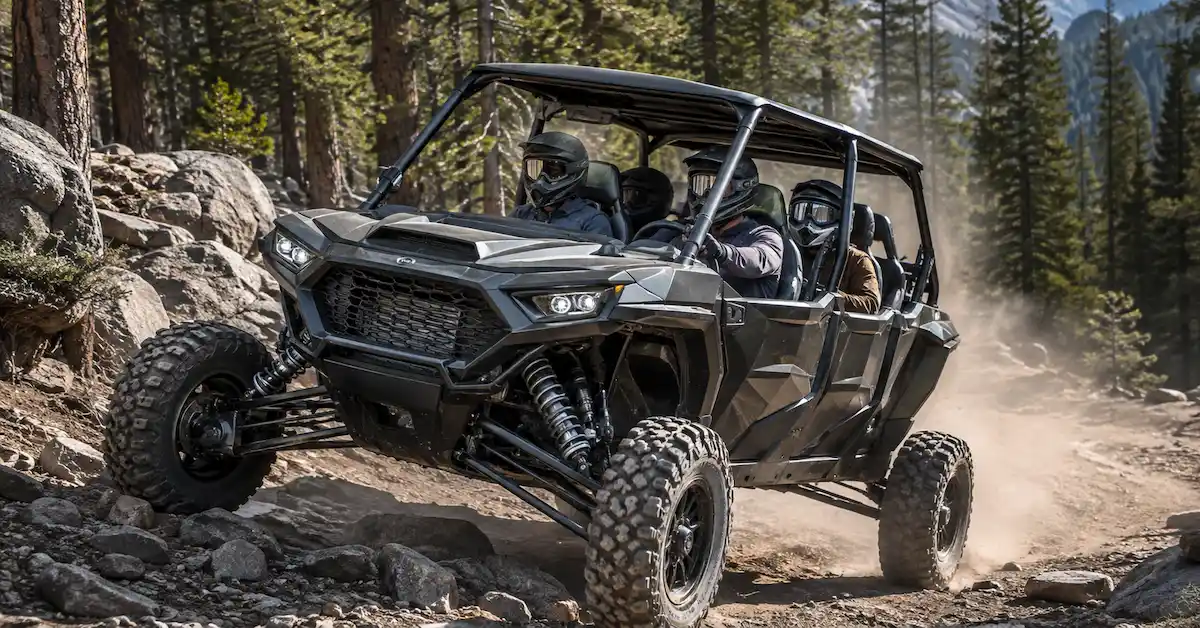
ATV and UTV Suspension
Important requirements include:
- Heavy-duty performance
- Impact resistance
- Load support
- Off-road durability
Golf Cart Suspension
Development focuses on:
- Passenger comfort
- Battery weight support
- Utility operation
Electric Vehicle Suspension
EV platforms require special consideration because of:
- Battery weight
- Different weight distribution
- Commercial usage requirements
Specialty Vehicles
Examples include:
- Utility vehicles
- Patrol vehicles
- Industrial vehicles
- Custom mobility vehicles
Why Prototype Testing Reduces Costs
Some companies try to reduce costs by skipping prototype development.
However, this may create larger expenses later.
Prototype testing helps identify:
- Incorrect dimensions
- Poor fitment
- Weak structures
- Incorrect damping
- Insufficient spring support
Early correction is usually much cheaper than modifying mass-produced products.
Prototype vs Mass Production
| Factor | Prototype | Mass Production |
|---|---|---|
| Purpose | Verify design | Produce stable products |
| Quantity | Small | Large |
| Flexibility | High | Controlled |
| Modification | Easy | Expensive |
| Main focus | Testing | Efficiency |
A successful prototype creates a reliable foundation for production.
Importance of Suspension Testing
Testing is a key part of prototype development.
Important tests include:
Dimensional Testing
Verify:
- Shock length
- Stroke
- Mounting dimensions
- Tolerances
Functional Testing
Evaluate:
- Compression movement
- Rebound behavior
- Adjustment operation
Leakage Testing
Check:
- Oil sealing
- Pressure stability
Load Testing
Verify:
- Structural strength
- Suspension support
Vehicle Testing
Confirm:
- Installation
- Driving performance
- Real-world behavior
Material Selection During Prototype Development
Prototype materials should represent future production requirements.
Important components include:
Shock Body
Requirements:
- Strength
- Heat resistance
- Machining accuracy
Piston Rod
Requirements:
- Wear resistance
- Surface hardness
- Corrosion protection
Spring
Requirements:
- Fatigue resistance
- Stable spring rate
- Long service life
Seals
Requirements:
- Oil compatibility
- Temperature resistance
- Durability
Choosing the right materials during prototype development reduces future production changes.
Small-Batch Validation Before Mass Production
After prototype approval, pilot production provides additional verification.
Small batches help evaluate:
- Manufacturing consistency
- Component matching
- Assembly process
- Quality stability
- Customer feedback
This stage is especially important for:
- New vehicle models
- Private-label products
- Aftermarket suspension brands
- Low-volume specialty vehicles
How to Choose the Right Prototype Supplier
When selecting a supplier, buyers should evaluate:
Engineering Ability
The supplier should be able to:
- Review drawings
- Analyze samples
- Develop prototypes
- Provide technical recommendations
Manufacturing Capability
Evaluate:
- Machining capability
- Assembly process
- Spring production
- Surface treatment
- Quality control
Testing Capability
Confirm whether the supplier can provide:
- Dimensional testing
- Leakage testing
- Performance testing
- Prototype validation
Production Transition Ability
A good prototype supplier should also support:
- Pilot production
- Mass manufacturing
- Quality documentation
How Bedo Auto Supports Shock Absorber Prototype Development
As an experienced shock absorber prototype supplier, Bedo Auto supports global customers from initial concept validation to OEM production.
Services include:
- Sample analysis
- Engineering review
- Prototype manufacturing
- Spring development
- Damping adjustment
- Performance testing
- Small-batch validation
- OEM production support
Applications include:
- Motorcycles
- Electric motorcycles
- ATV
- UTV
- Golf carts
- Utility vehicles
- Specialty vehicles
Buyers can review suspension solutions through the Bedo Auto Products page.
For prototype projects, samples, drawings, and technical requirements can be submitted through the Contact Us page.
FAQ
Why do OEM buyers need shock absorber prototypes?
Prototypes help verify design, fitment, performance, and manufacturing feasibility before mass production.
Can a prototype be developed from an existing shock absorber?
Yes. Suppliers can analyze samples and develop improved or replacement suspension solutions.
How long does prototype development usually take?
The timeline depends on product complexity, customization requirements, testing needs, and project communication.
Can damping settings be adjusted during prototype development?
Yes. Compression damping, rebound damping, and spring specifications can be optimized during testing.
Does prototype development increase project cost?
It adds early development costs but usually reduces larger costs caused by production mistakes and redesigns.
Can a prototype supplier support mass production?
A capable supplier should support prototype development, pilot batches, and long-term OEM manufacturing.
Conclusion
Working with a professional shock absorber prototype supplier helps companies reduce development risks and create more reliable suspension products.
Prototype development allows manufacturers to verify dimensions, materials, spring characteristics, damping performance, and vehicle compatibility before large-scale production.
Through engineering support, prototype manufacturing, testing validation, and OEM production capability, Bedo Auto helps global buyers transform suspension concepts into reliable commercial products.