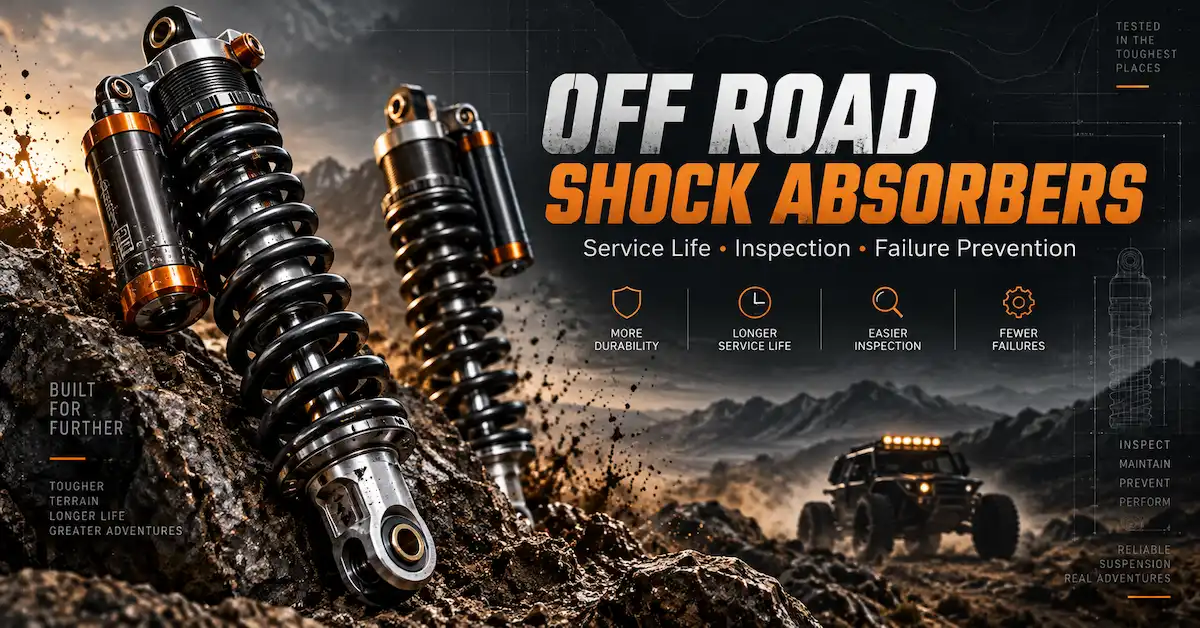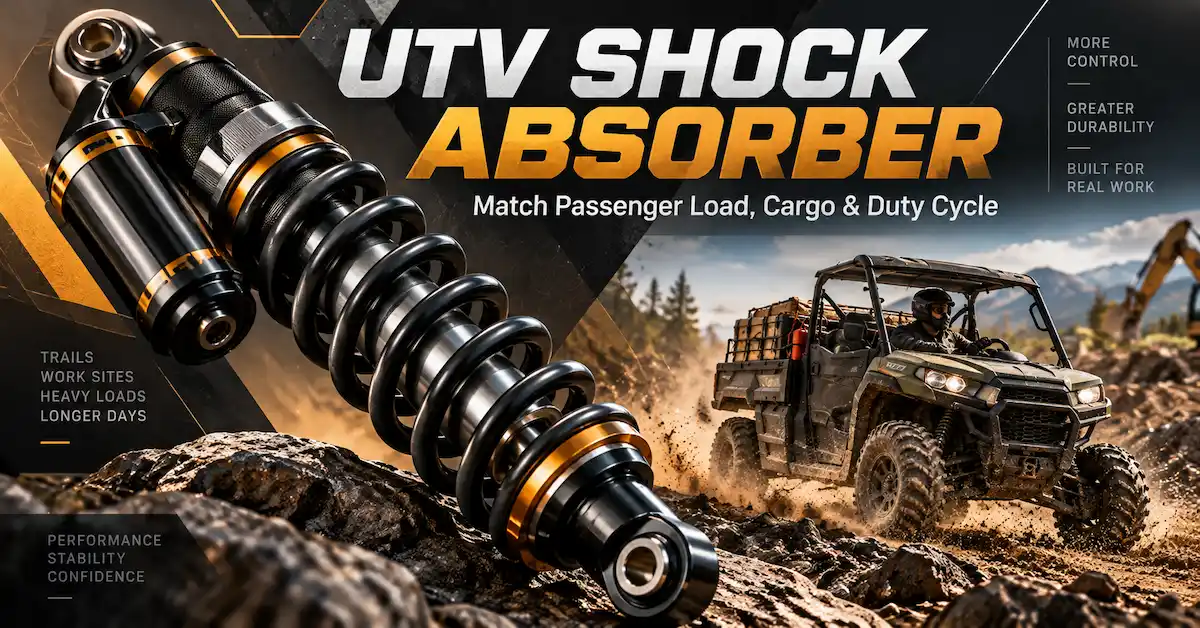

The thrill of navigating rugged trails on an All-Terrain Vehicle is an unmatched experience, but a bumpy and jarring ride can quickly turn adventure into agony. The key to a smooth, controlled, and enjoyable off-road journey lies in a component that often works silently: the shock absorber. Without a high-performance suspension system, every rock and rut translates directly to the rider, causing discomfort and compromising safety. This is a common problem for many ATV and motorcycle enthusiasts who find their rides cut short by fatigue and a loss of control on challenging surfaces.
Have you ever finished a trail ride feeling more beaten up than exhilarated? This is a classic symptom of an inadequate or worn-out suspension system. When your vehicle's shocks are not performing correctly, the energy from bumps is not dissipated effectively. Instead, it travels up through the frame and into your body, leading to a bone-rattling experience. This constant vibration not only causes significant rider fatigue but also poses a serious safety risk. Poor suspension can cause tires to lose contact with the ground, resulting in a dangerous loss of traction and control, especially when navigating corners or uneven terrain at speed. The problem isn't just about comfort; it's about maintaining command of your machine.
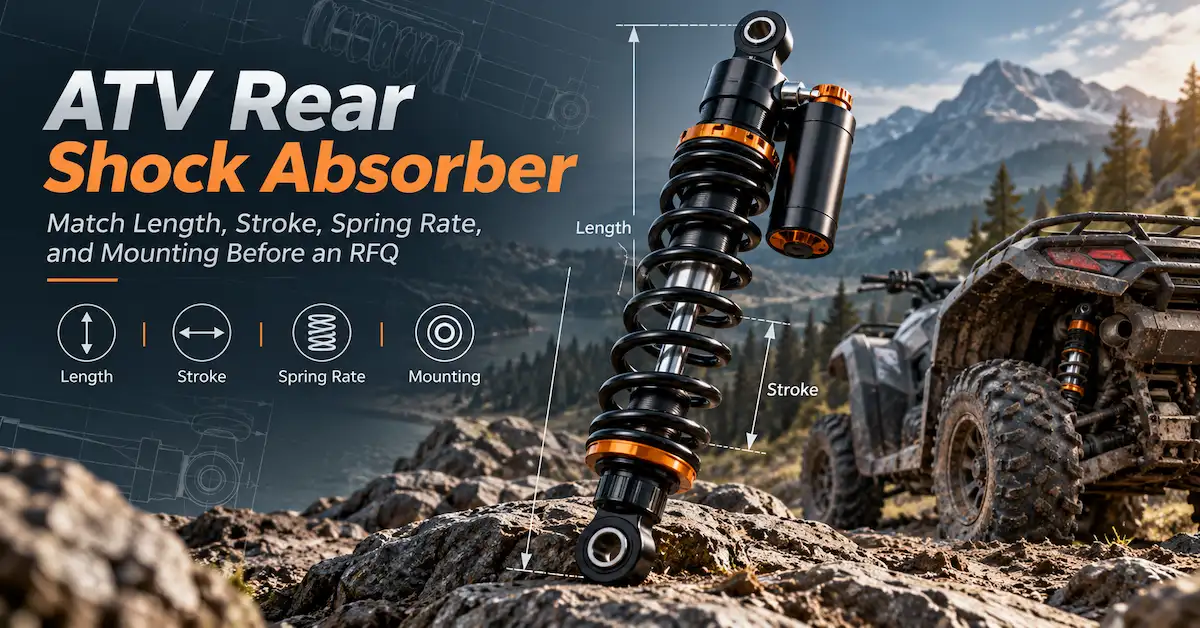
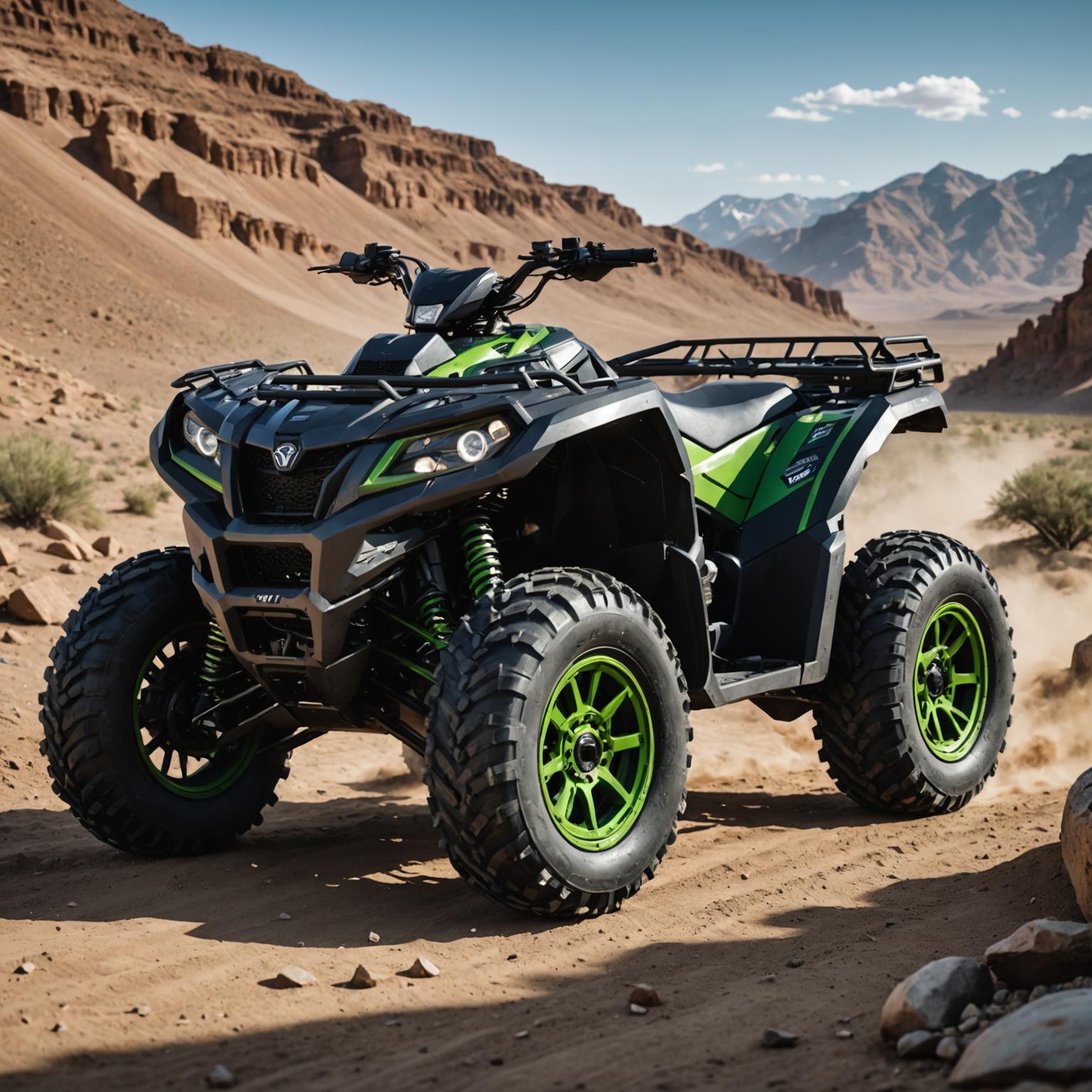
The solution is a robust and responsive suspension system, with the Rear shock absorber playing a pivotal role. On an ATV, the rear suspension handles a tremendous amount of stress, supporting the rider's weight while absorbing the harshest impacts from the trail. A superior shock absorber works by dampening the spring's oscillation, keeping the tires firmly planted for maximum grip and stability. For instance, the Razorback R12 ATV is engineered with an advanced suspension featuring coil-over shocks. This system provides the stability needed to conquer steep trails and rugged paths confidently. It smooths out the terrain, turning what would be a punishing ride into a comfortable and controlled adventure, allowing you to push your limits without paying the physical price.
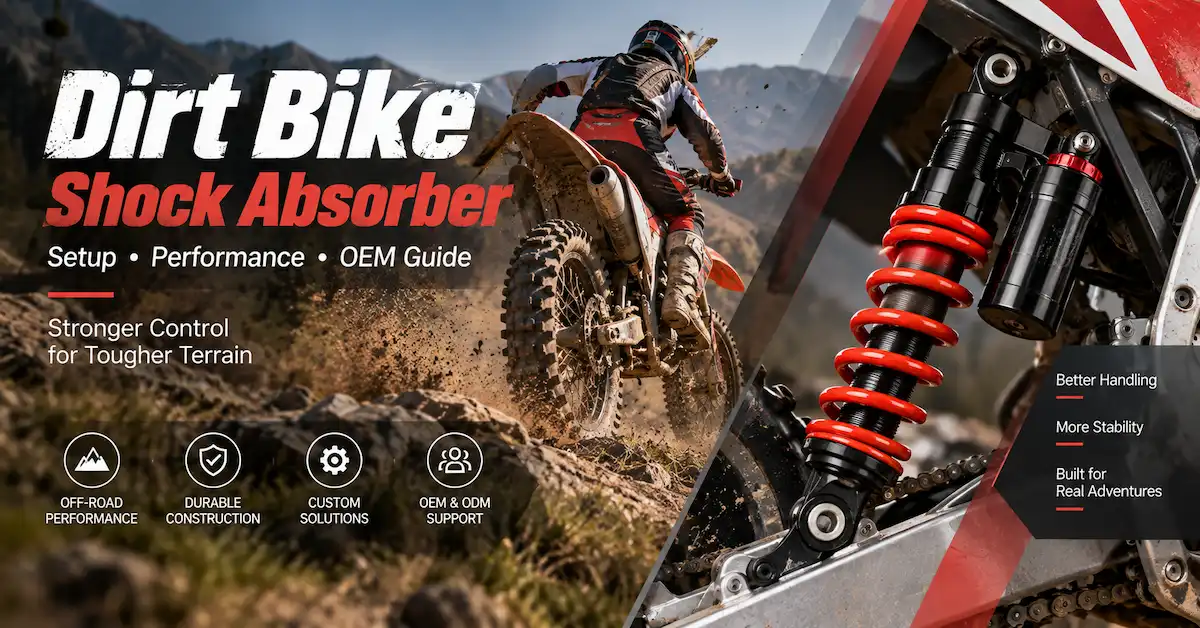
The principles of suspension are just as vital, if not more so, for a Motorcycle. While an ATV has the inherent stability of four wheels, a motorcycle rider relies heavily on the suspension for balance and handling. A failing Rear shock can make a motorcycle feel unstable, especially during acceleration or while leaning into a turn. It can lead to wobbling and a loss of confidence, turning a pleasant cruise into a tense ordeal. A high-quality shock absorber ensures that the rear wheel maintains consistent contact with the pavement or trail, providing predictable handling and absorbing impacts that could otherwise upset the bike's balance. For any serious motorcycle rider, a well-maintained suspension is a non-negotiable part of their safety equipment.
Ultimately, addressing suspension issues by maintaining or upgrading your components is the definitive solution to a rough ride. Investing in a quality shock absorber system tailored to your vehicle, whether it's an ATV or a motorcycle, completely transforms the experience. It improves handling, dramatically reduces rider fatigue on long journeys, and significantly boosts overall safety by ensuring your tires stay where they belong—on the ground. Modern machines are designed with this in mind, recognizing that the suspension is the heart of a capable off-road vehicle. By ensuring your shocks are in top condition, you are investing in countless hours of future enjoyment, control, and thrilling, safe adventures.
The Uncomfortable Truth About Rough Rides
Have you ever finished a trail ride feeling more beaten up than exhilarated? This is a classic symptom of an inadequate or worn-out suspension system. When your vehicle's shocks are not performing correctly, the energy from bumps is not dissipated effectively. Instead, it travels up through the frame and into your body, leading to a bone-rattling experience. This constant vibration not only causes significant rider fatigue but also poses a serious safety risk. Poor suspension can cause tires to lose contact with the ground, resulting in a dangerous loss of traction and control, especially when navigating corners or uneven terrain at speed. The problem isn't just about comfort; it's about maintaining command of your machine.
How a Quality Rear Shock Absorber Transforms Your ATV Experience
The solution is a robust and responsive suspension system, with the Rear shock absorber playing a pivotal role. On an ATV, the rear suspension handles a tremendous amount of stress, supporting the rider's weight while absorbing the harshest impacts from the trail. A superior shock absorber works by dampening the spring's oscillation, keeping the tires firmly planted for maximum grip and stability. For instance, the Razorback R12 ATV is engineered with an advanced suspension featuring coil-over shocks. This system provides the stability needed to conquer steep trails and rugged paths confidently. It smooths out the terrain, turning what would be a punishing ride into a comfortable and controlled adventure, allowing you to push your limits without paying the physical price.
The Critical Role of Suspension on a Motorcycle
The principles of suspension are just as vital, if not more so, for a Motorcycle. While an ATV has the inherent stability of four wheels, a motorcycle rider relies heavily on the suspension for balance and handling. A failing Rear shock can make a motorcycle feel unstable, especially during acceleration or while leaning into a turn. It can lead to wobbling and a loss of confidence, turning a pleasant cruise into a tense ordeal. A high-quality shock absorber ensures that the rear wheel maintains consistent contact with the pavement or trail, providing predictable handling and absorbing impacts that could otherwise upset the bike's balance. For any serious motorcycle rider, a well-maintained suspension is a non-negotiable part of their safety equipment.
Choosing the Right Suspension for Peak Performance and Safety
Ultimately, addressing suspension issues by maintaining or upgrading your components is the definitive solution to a rough ride. Investing in a quality shock absorber system tailored to your vehicle, whether it's an ATV or a motorcycle, completely transforms the experience. It improves handling, dramatically reduces rider fatigue on long journeys, and significantly boosts overall safety by ensuring your tires stay where they belong—on the ground. Modern machines are designed with this in mind, recognizing that the suspension is the heart of a capable off-road vehicle. By ensuring your shocks are in top condition, you are investing in countless hours of future enjoyment, control, and thrilling, safe adventures.