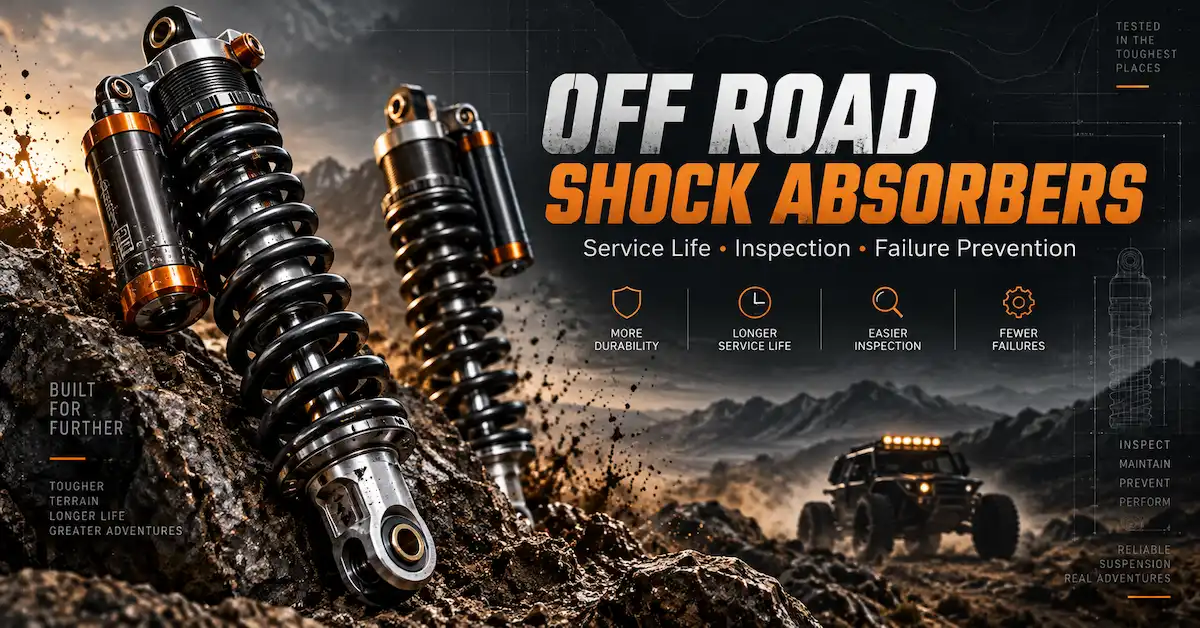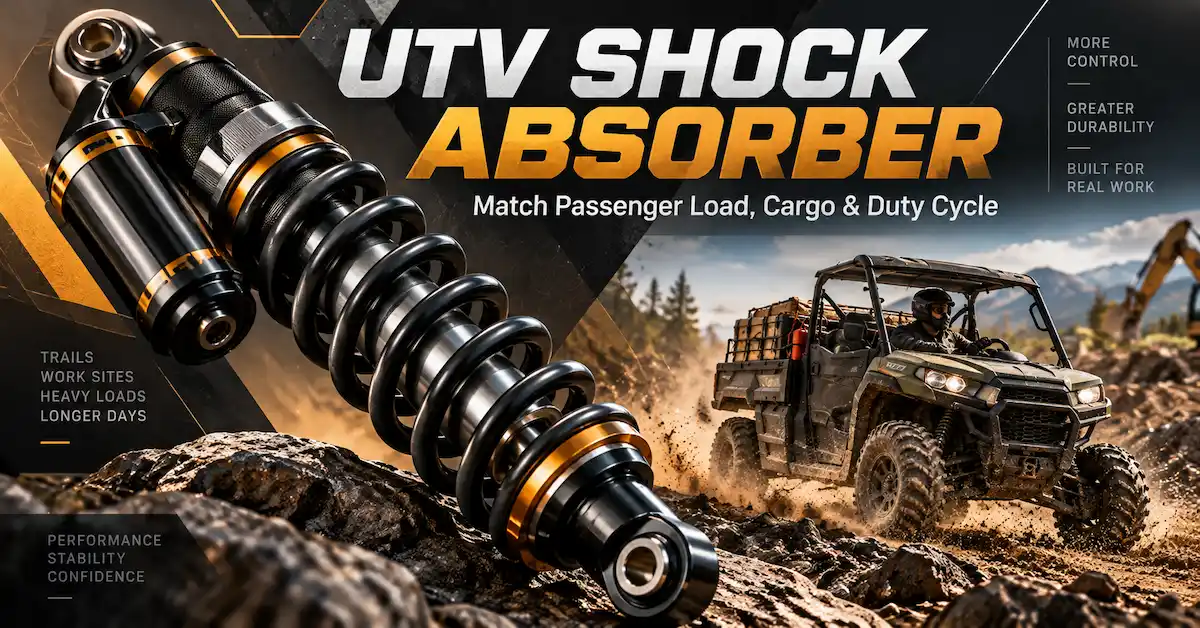

Fleet vehicles are designed for continuous use. However, frequent vibration, heavy loads, and mixed road conditions accelerate suspension wear. Once a shock absorber or spring fails, it doesn’t just affect one vehicle—it disrupts scheduling, increases maintenance costs, and impacts delivery timelines.
A fleet maintenance suspension package is built to address these challenges by standardizing replacement components and ensuring consistent performance across multiple vehicles.
For fleet operators and OEM buyers, this directly impacts total operating cost, vehicle uptime, and long-term supply stability.
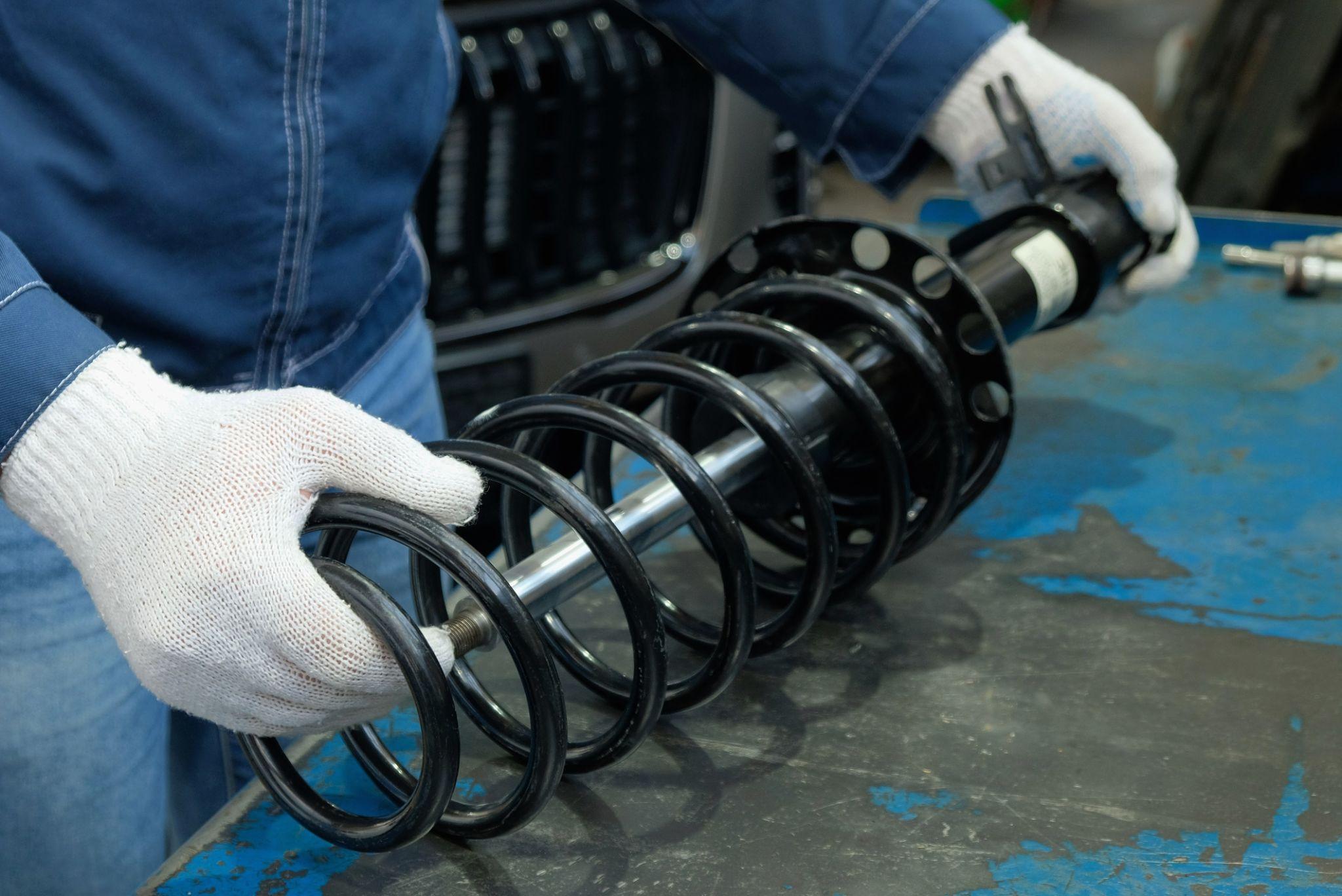
How a Fleet Suspension Package Improves Maintenance Efficiency
Unlike single-component sourcing, a fleet-oriented solution provides a complete and matched system.
Core structure includes:
- Pre-matched shock absorbers and coil springs
- Reinforced mounting components
- Standardized specifications for easy replacement
- Consistent damping performance across all units
By using a fleet maintenance suspension package, maintenance teams reduce installation time and avoid compatibility issues between different suppliers.
Traditional Replacement vs Integrated Suspension Package
| Feature | Individual Parts Replacement | Fleet Maintenance Suspension Package |
|---|---|---|
| Procurement | Multiple suppliers | Single-source supply |
| Compatibility | Risk of mismatch | Fully matched system |
| Maintenance Time | Longer | Faster installation |
| Inventory Management | Complex | Simplified |
| Lifecycle Cost | Higher | Lower over time |
For fleet managers, the difference is clear: fewer variables, fewer delays, and more predictable operation.
However, one common mistake in procurement is focusing only on unit pricing. Inconsistent components from multiple suppliers often lead to compatibility issues, increased maintenance frequency, and higher long-term operational costs.
Solution Strategy: Standardization Across the Fleet
A successful maintenance strategy focuses on consistency.
Key implementation steps:
- Define standard suspension specs for each vehicle type
- Use uniform spring rates and damping settings
- Establish replacement cycles based on mileage
- Work with a supplier offering full-system production
While individual parts may seem cost-effective at the beginning, a standardized fleet maintenance suspension package significantly reduces lifecycle cost through improved durability and reduced downtime.
You can explore complete suspension options here:
https://www.bedoauto.com/products
Why Fleet Packages Deliver Long-Term Value
Reduced Downtime
Quick replacement with matched components keeps vehicles operational.
Lower Maintenance Costs
Bulk procurement and standardization reduce per-unit expenses.
Improved Reliability
Uniform performance across vehicles ensures consistent handling and safety.
Simplified Training
Maintenance teams follow one standard installation process.
For bulk buyers and distributors, these advantages translate into fewer service interruptions, lower warranty risk, and more predictable inventory planning.
Real Fleet Application Scenarios
- Logistics Vehicles: Daily long-distance use requires stable suspension performance
- Construction Fleets: Heavy loads and rough terrain increase wear frequency
- Agricultural Equipment: Continuous vibration and chemical exposure
- Utility Service Vehicles: Frequent stop-and-go operations
In each case, a fleet maintenance suspension package ensures predictable durability and reduced service interruptions.
For fleet operators, distributors, and OEM buyers, suspension reliability directly impacts vehicle uptime and operational cost. A fleet maintenance suspension package ensures consistent component performance across multiple vehicles, reducing maintenance frequency and improving overall fleet efficiency.
Selection Advice for Buyers and Distributors
When sourcing a fleet solution, consider:
- Supplier capability for full suspension production
- Consistent quality control and batch traceability
- Ability to customize for different vehicle models
- Availability of technical support for installation
- Flexible MOQ for phased procurement
For procurement teams, choosing a supplier with full-system production capability is critical to ensuring consistency across batches and supporting long-term fleet operations.
Learn more about supplier capabilities:
https://www.bedoauto.com/about-us
FAQ
Q1: Can fleet suspension packages be customized for different vehicle types?
Yes. OEM manufacturers can adjust spring rate, damping, and structure to match different fleet vehicle requirements.
Q2: What is the typical MOQ for fleet suspension packages?
MOQ varies by supplier, but many manufacturers support flexible quantities for testing and bulk fleet deployment.
Q3: How does a suspension package reduce fleet maintenance cost?
A matched system reduces uneven wear, extends component lifespan, and minimizes unexpected downtime.
A Smarter Way to Maintain Fleet Performance
For fleet operators and OEM buyers, choosing the right suspension partner is essential for reducing downtime, controlling cost, and maintaining long-term operational efficiency.
If you are evaluating fleet maintenance suspension package solutions, working with a supplier that supports bulk production and system-level customization can significantly improve project outcomes.
Visit:
https://bedoauto.com
Request a quote:
https://www.bedoauto.com/contact-us