
Selecting the right custom vehicle suspension supplier is a critical decision for companies developing vehicles, aftermarket products, and specialized transportation solutions.
Suspension systems directly influence:
- Vehicle stability
- Ride comfort
- Load capacity
- Tire contact
- Handling performance
- Safety
- Product durability
Unlike standard replacement parts, custom suspension solutions must be developed according to the vehicle’s specific requirements.
Different vehicles create different suspension challenges:
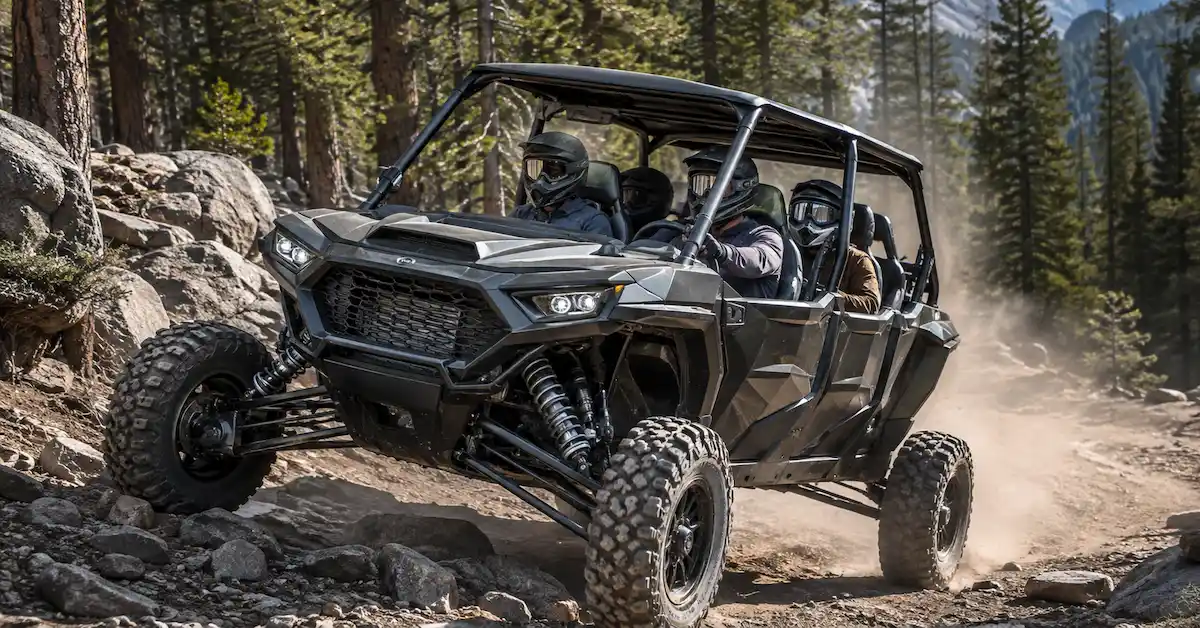
- ATV and UTV vehicles require strong load support and impact resistance.
- Motorcycles require precise damping and compact structures.
- Electric vehicles require suspension systems that handle additional battery weight.
- Specialty vehicles may require unique mounting dimensions and operating conditions.
A professional supplier does not simply manufacture shock absorbers. It analyzes the complete vehicle application and develops suspension components that match the intended use.
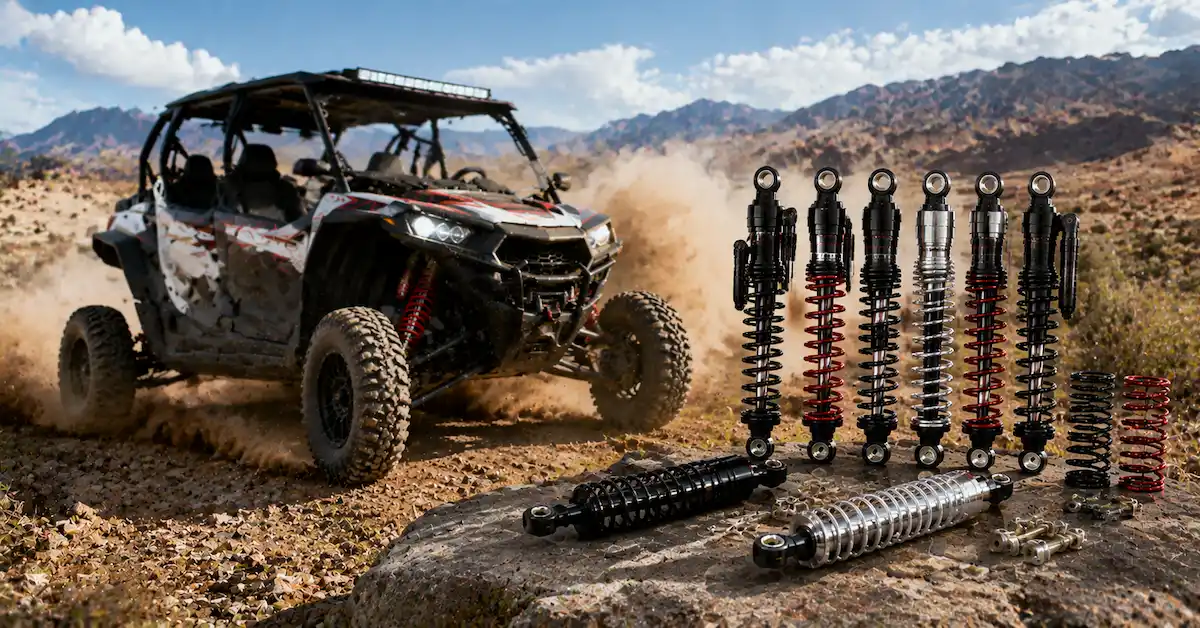
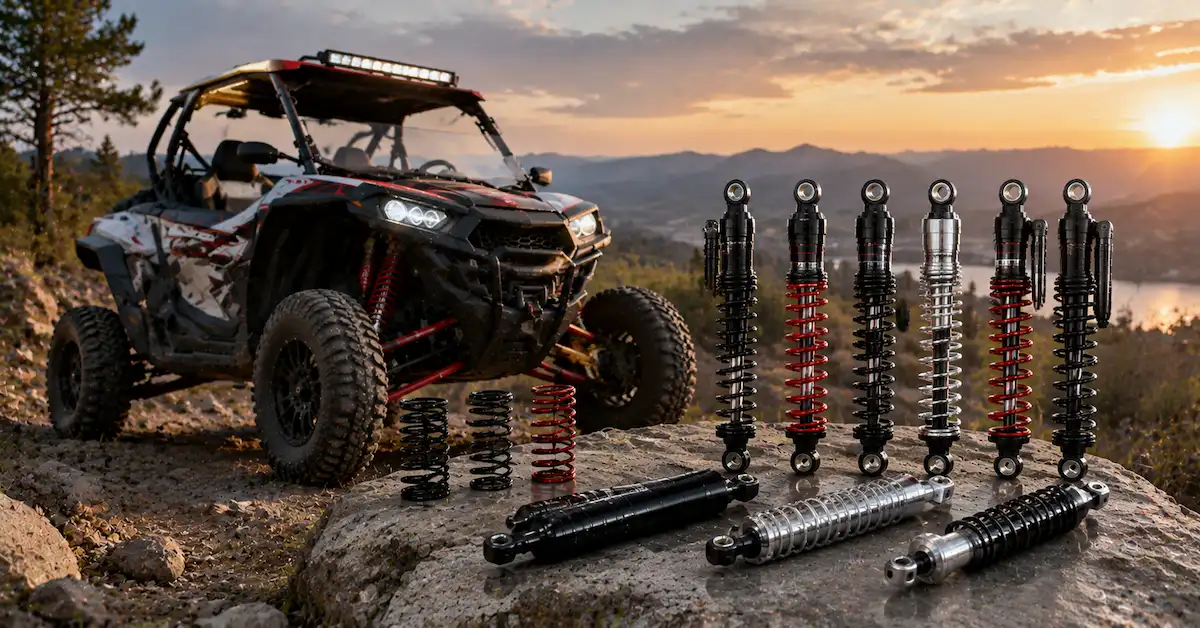
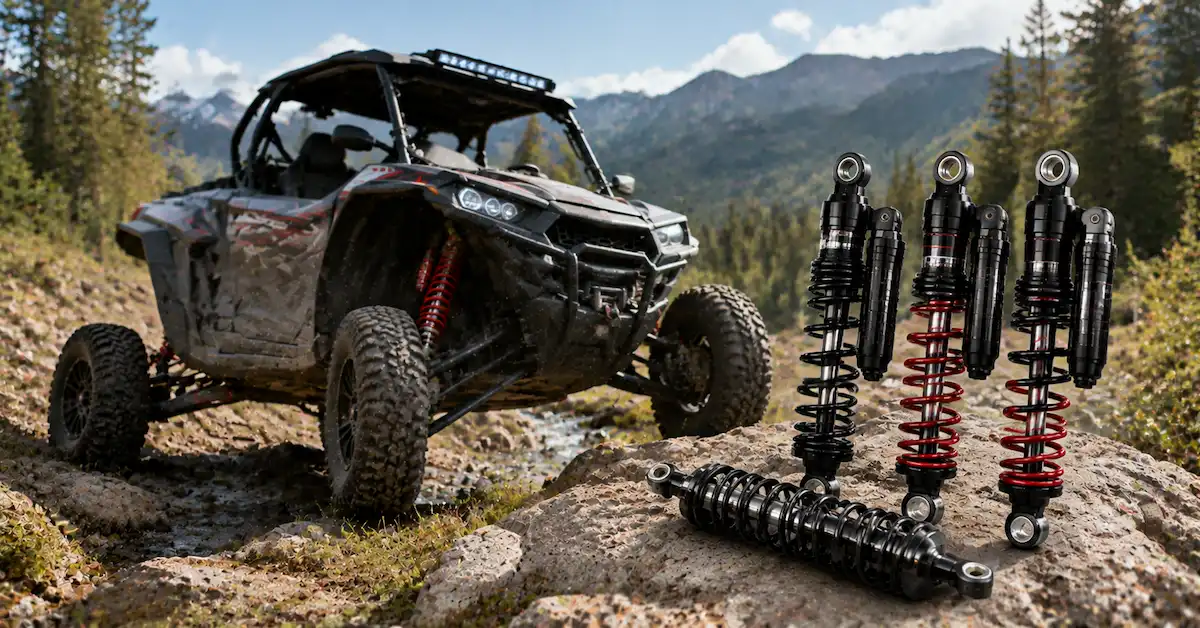
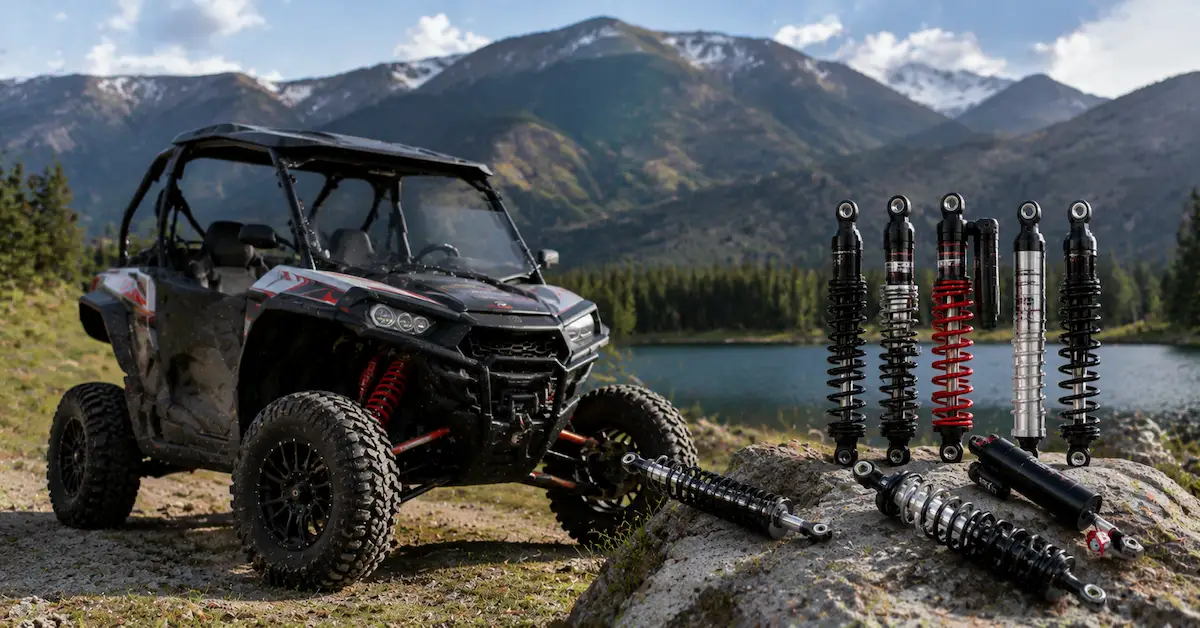
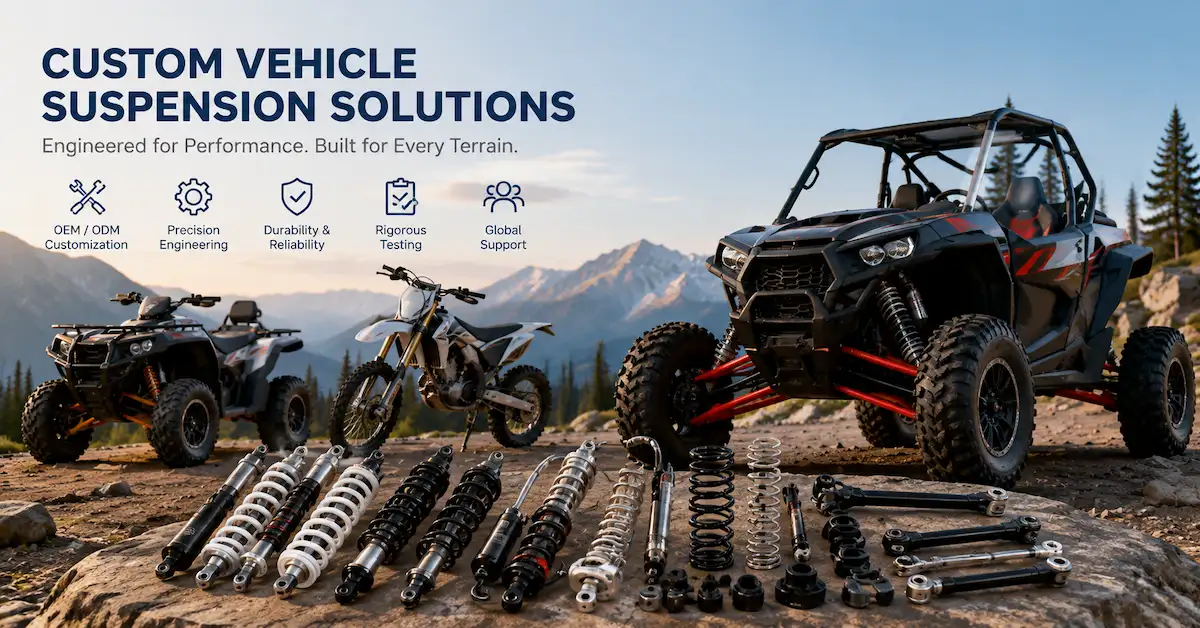
Bedo Auto provides customized suspension solutions including shock absorbers, springs, and related suspension components for ATV, UTV, motorcycle, electric motorcycle, and specialty vehicle applications.
What Does a Custom Vehicle Suspension Supplier Provide?
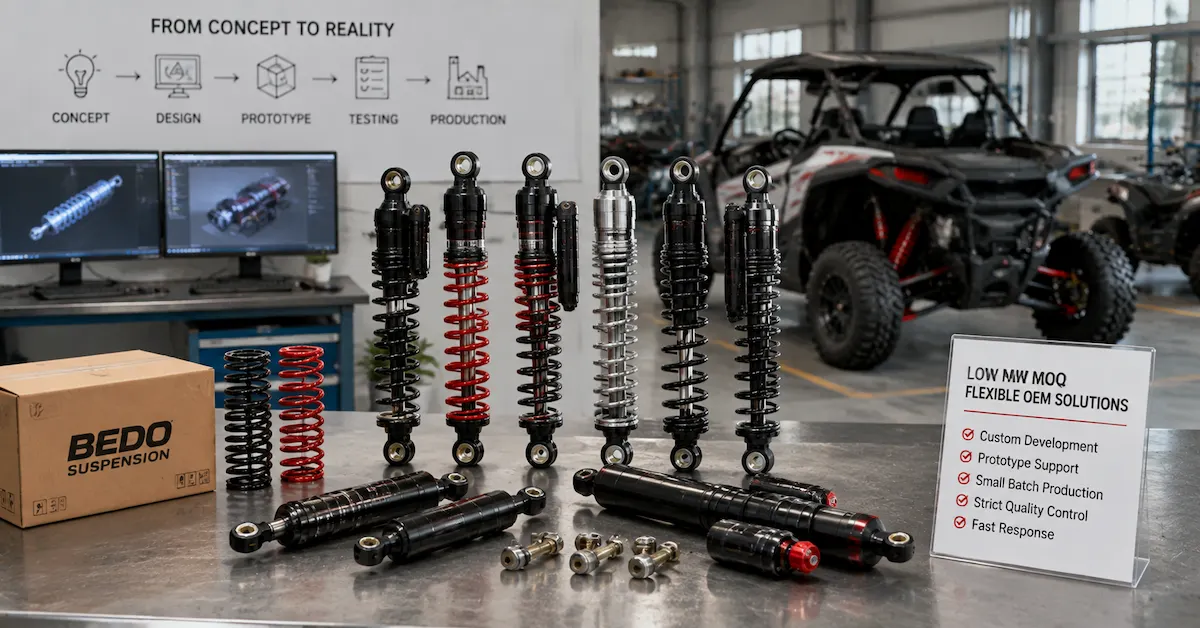
A professional suspension supplier can support the complete development process from concept to mass production.
Typical services include:
| Service | Purpose |
|---|---|
| Sample analysis | Develop products from existing components |
| Drawing review | Confirm dimensions and manufacturing feasibility |
| Suspension design | Optimize performance requirements |
| Spring development | Match vehicle load and riding conditions |
| Damping adjustment | Control compression and rebound behavior |
| Prototype production | Verify design before mass production |
| Small batch production | Reduce development risks |
| OEM manufacturing | Support long-term supply |
| Private labeling | Build customer brands |
A qualified custom vehicle suspension supplier should support both engineering requirements and commercial objectives.
For example:
A vehicle manufacturer may need suspension components for a new model.
An aftermarket brand may require upgraded shocks with adjustable damping.
A distributor may need replacement suspension parts with customized branding.
The development approach should be different for each project.
Why Vehicle Suspension Requires Custom Development
Many buyers initially assume suspension products can be selected only by size.
However, two suspension components with similar dimensions may provide completely different performance.
Suspension behavior depends on:
- Vehicle weight
- Rider or passenger load
- Payload requirements
- Suspension geometry
- Spring rate
- Damping force
- Stroke length
- Terrain
- Operating temperature
- Duty cycle
Incorrect suspension matching may result in:
- Excessive bouncing
- Poor stability
- Frequent bottoming
- Reduced tire contact
- Harsh riding
- Short component life
- Customer complaints
This is why OEM buyers usually work with a custom vehicle suspension supplier instead of purchasing generic products.
Main Components in Custom Suspension Systems
A complete suspension solution may include multiple components.
| Component | Function |
|---|---|
| Shock absorber | Controls suspension movement |
| Coil spring | Supports vehicle weight |
| Piston rod | Transfers internal suspension force |
| Shock body | Houses oil and damping system |
| Reservoir | Improves oil capacity and heat control |
| Bushings | Reduce vibration and movement |
| Mounting eyes | Connect suspension to vehicle structure |
| Spring seats | Position coil springs |
| Adjustment system | Controls preload or damping |
The correct combination of these components determines suspension performance.
A stronger spring alone cannot solve every problem.
A larger shock absorber does not automatically provide better performance.
The entire suspension system must be developed together.
Applications Requiring Custom Suspension Solutions
A professional supplier should support different vehicle categories.
ATV and UTV Suspension
Common requirements:
- Heavy cargo support
- Off-road durability
- Mud and water resistance
- Long operating cycles
- Adjustable performance
Motorcycle Suspension
Requirements may include:
- Compact installation
- Rider weight adjustment
- Improved handling
- Comfort optimization
- Performance upgrades
Electric Vehicle Suspension
Electric vehicles introduce new challenges:
- Higher battery weight
- Different weight distribution
- Increased total vehicle mass
- Commercial delivery loads
Specialty Vehicle Suspension
Examples include:
- Beach buggies
- Utility vehicles
- Racing vehicles
- Agricultural vehicles
- Industrial vehicles
Each application requires different suspension parameters.
OEM Development Process for Custom Suspension Projects
A professional custom vehicle suspension supplier should follow a structured development process.
Step 1: Requirement Analysis
The supplier should collect:
- Vehicle model
- Weight information
- Load requirements
- Installation position
- Terrain conditions
- Performance expectations
- Production quantity
Step 2: Technical Evaluation
Engineers analyze:
- Mounting dimensions
- Suspension geometry
- Shock length
- Stroke requirements
- Spring specifications
- Material selection
Step 3: Prototype Development
Prototype samples are produced to verify:
- Installation fitment
- Suspension movement
- Ride height
- Clearance
- Performance
Step 4: Testing and Validation
Testing may include:
- Leakage inspection
- Dimensional inspection
- Functional testing
- Damping verification
- Surface inspection
Step 5: Mass Production
After approval:
- Production standards are documented
- Quality procedures are established
- Repeat orders follow approved specifications
What Information Should Buyers Provide?
Accurate information helps reduce development time.
| Information | Importance |
|---|---|
| Vehicle model | Confirms application |
| Vehicle weight | Determines suspension load |
| Payload | Defines support requirements |
| Installation location | Determines suspension design |
| Shock dimensions | Confirms fitment |
| Terrain | Defines durability requirements |
| Riding style | Influences damping |
| Existing sample | Supports reverse engineering |
| Technical drawing | Defines production requirements |
| Target quantity | Supports manufacturing planning |
A supplier that receives complete information can provide a more accurate solution.
Sample-Based Suspension Development
Many OEM projects begin with an existing sample.
A supplier can analyze:
- Overall dimensions
- Mounting structure
- Spring size
- Shock body diameter
- Rod diameter
- Reservoir design
- Surface treatment
However, external dimensions do not reveal:
- Internal valve design
- Damping characteristics
- Oil specification
- Gas pressure
- Spring rate
Therefore, buyers should also provide:
- Vehicle information
- Current performance issues
- Target improvement goals
Examples:
- Increase load capacity
- Reduce bottoming
- Improve comfort
- Increase durability
- Add adjustable damping
Drawing-Based Suspension Manufacturing
Technical drawings provide precise manufacturing references.
Important drawing information includes:
- Overall dimensions
- Mounting holes
- Stroke
- Material requirements
- Surface treatment
- Tolerance standards
- Branding requirements
Before production, engineers should review:
- Manufacturing feasibility
- Installation clearance
- Structural strength
- Component compatibility
This reduces prototype modifications and production delays.
Quality Control in Suspension Manufacturing
A reliable supplier should maintain quality control throughout production.
Material Inspection
Check:
- Metal materials
- Springs
- Seals
- Bushings
- Machined components
Dimensional Inspection
Important measurements:
- Shock length
- Stroke
- Mounting width
- Hole diameter
- Spring dimensions
Assembly Control
Control:
- Component cleanliness
- Seal installation
- Oil filling
- Gas charging
- Torque requirements
Performance Testing
Testing may include:
- Leakage testing
- Compression testing
- Rebound testing
- Functional movement testing
Final Inspection
Final checks include:
- Appearance
- Dimensions
- Packaging
- Labels
- Quantity
How to Choose the Right Custom Suspension Supplier
Before selecting a supplier, buyers should evaluate:
Engineering Capability
Can the supplier:
- Analyze samples?
- Review drawings?
- Develop prototypes?
- Adjust suspension parameters?
Manufacturing Capability
Does the supplier have:
- Stable production processes?
- Quality control systems?
- Small batch capability?
- Mass production ability?
Testing Capability
Can the supplier verify:
- Dimensions?
- Leakage?
- Damping?
- Product consistency?
Communication Capability
A professional supplier should ask technical questions before quoting.
A supplier that only provides prices without understanding the vehicle application may create future problems.
Why Small Batch Validation Matters
Before mass production, small batch testing helps confirm:
- Fitment
- Performance
- Quality consistency
- Market acceptance
It reduces risks including:
- Large inventory problems
- Product returns
- Customer complaints
- Additional development costs
For new vehicle projects and aftermarket products, small batch production is an important validation step.
How Bedo Auto Supports Custom Suspension Projects
As a professional custom vehicle suspension supplier, Bedo Auto supports OEM and ODM suspension development for global vehicle brands and aftermarket companies.
Capabilities include:
- Shock absorber customization
- Suspension spring development
- Sample-based engineering
- Drawing-based production
- Prototype manufacturing
- Small batch validation
- OEM branding
- Customized packaging
Bedo Auto supports suspension solutions for:
- ATV
- UTV
- Motorcycle
- Electric motorcycle
- Snowmobile
- Specialty vehicles
Buyers can explore suspension solutions through the Bedo Auto Products page.
For custom projects, samples, drawings, and technical requirements can be submitted through the Contact Us page.
FAQ
What does a custom vehicle suspension supplier do?
A custom suspension supplier develops and manufactures suspension components according to vehicle requirements, drawings, samples, and performance targets.
Can suspension components be customized from samples?
Yes. Suppliers can analyze existing samples and develop improved or replacement suspension solutions.
What information is needed for OEM suspension development?
Vehicle model, weight, load requirements, dimensions, terrain, performance goals, and production quantity are typically required.
Can suspension springs and damping be customized?
Yes. Spring rate, preload, compression damping, rebound damping, and structural dimensions can be customized.
Are custom suspension solutions suitable for electric vehicles?
Yes. Electric vehicles often require customized suspension because of battery weight and different load distribution.
Why choose OEM suspension instead of standard parts?
OEM development provides better fitment, performance control, branding options, and long-term supply stability.
Conclusion
Choosing the right custom vehicle suspension supplier allows vehicle manufacturers, distributors, and aftermarket brands to develop suspension systems that match real-world requirements.
Successful suspension development requires more than producing components with similar dimensions. Vehicle weight, load conditions, terrain, geometry, spring characteristics, damping performance, materials, and testing must all be considered.
Through engineering support, prototype development, quality control, and OEM/ODM manufacturing, Bedo Auto helps global buyers create reliable suspension solutions for different vehicle applications.