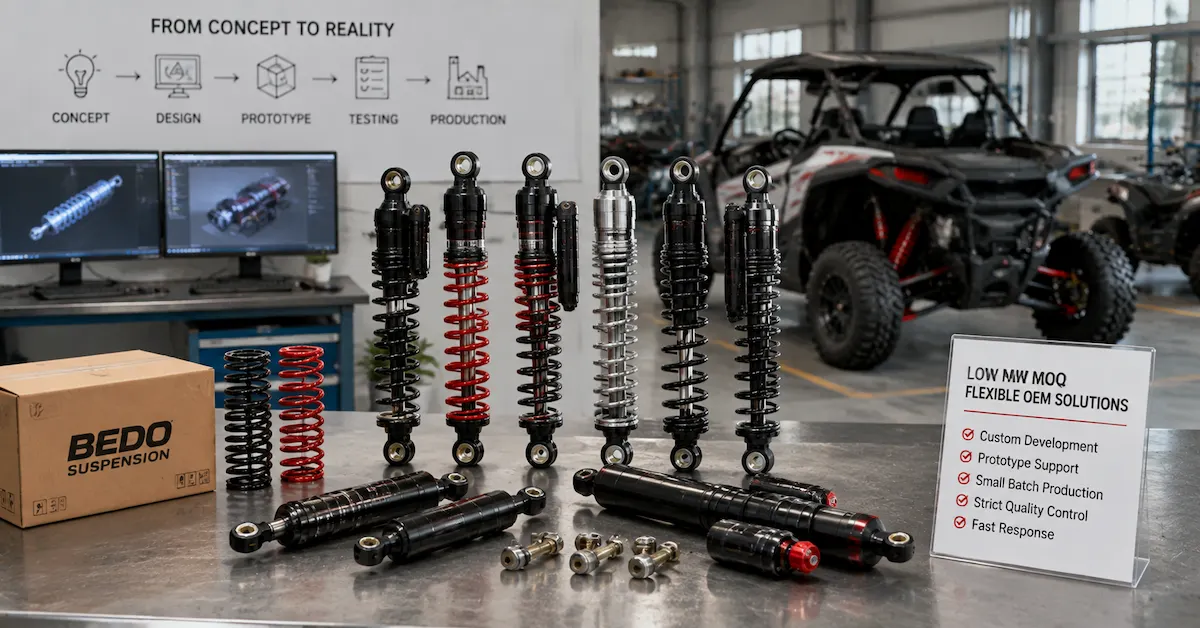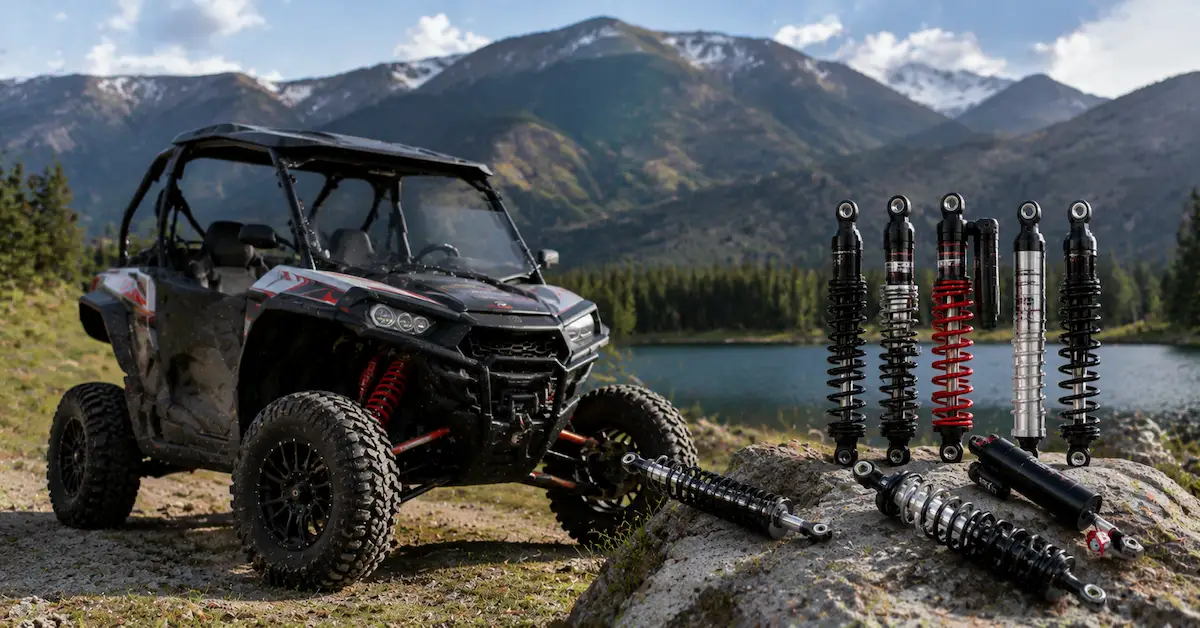

Selecting the right suspension design partner is essential for companies developing new vehicles, upgrading existing platforms, or creating customized aftermarket suspension solutions.
A suspension system is not simply a collection of shock absorbers and springs. It is a complete engineering system that determines:
- Ride comfort
- Vehicle stability
- Load capacity
- Handling performance
- Tire contact
- Safety
- Long-term durability
For vehicle manufacturers, engineering companies, and aftermarket brands, developing a suspension system requires knowledge of:
- Vehicle dynamics
- Suspension geometry
- Spring characteristics
- Shock absorber performance
- Material selection
- Manufacturing processes
- Testing methods
A professional design partner helps transform vehicle requirements into practical suspension solutions through engineering analysis, prototype development, validation testing, and production support.
Bedo Auto provides customized suspension engineering solutions for ATV, UTV, motorcycles, golf carts, utility vehicles, electric vehicles, and specialty vehicle applications.
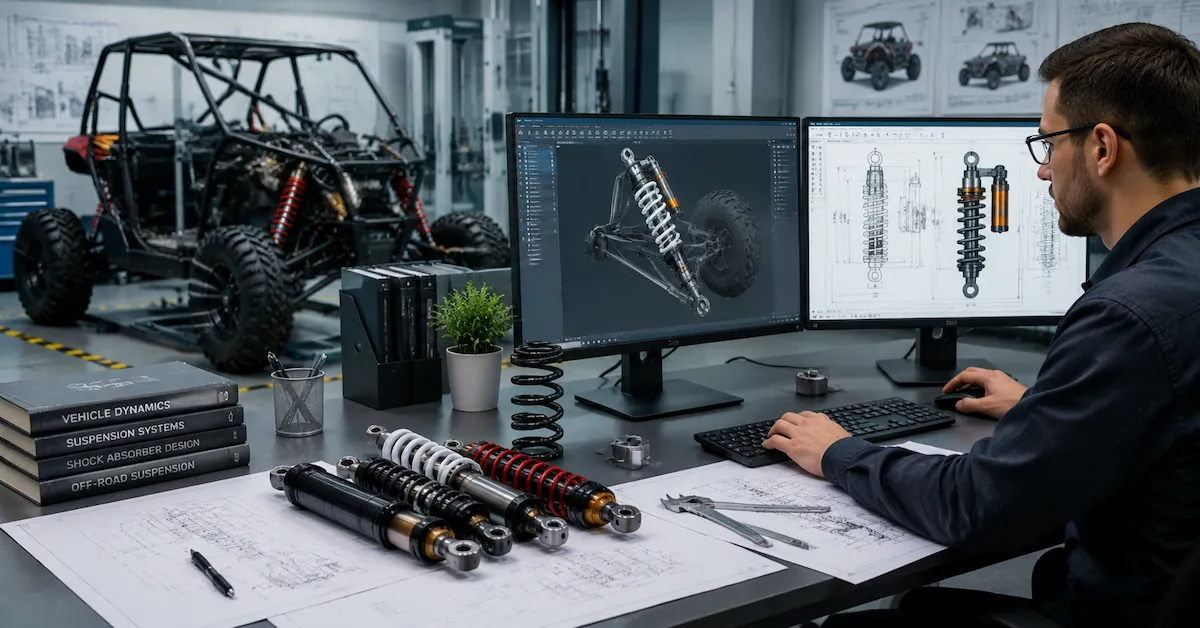
What Does a Suspension Design Partner Provide?
A professional suspension design partner supports the complete product development cycle.
Typical services include:
| Service | Purpose |
|---|---|
| Application analysis | Understand vehicle requirements |
| Suspension concept design | Develop system solutions |
| Shock absorber engineering | Optimize damping performance |
| Spring development | Match load requirements |
| CAD design support | Create production-ready structures |
| Prototype development | Validate designs |
| Testing support | Verify performance |
| Production transition | Support mass manufacturing |
Unlike a standard component supplier, a design partner participates in the engineering process.
The goal is to create a suspension system that matches:
- Vehicle purpose
- Operating environment
- Performance targets
- Production requirements
Why Vehicle Manufacturers Need Suspension Design Partners
Modern vehicles have increasingly complex suspension requirements.
Challenges may include:
- Higher vehicle weight
- Electric power systems
- Different weight distribution
- Commercial usage
- Off-road operation
- Custom vehicle structures
Without proper engineering support, companies may face:
- Incorrect component selection
- Poor ride quality
- Suspension failure
- Excessive development time
- Higher production costs
A suspension design partner helps reduce these risks by evaluating the complete vehicle system before production.
Applications Requiring Suspension Design Support
A professional suspension engineering partner can support multiple industries.
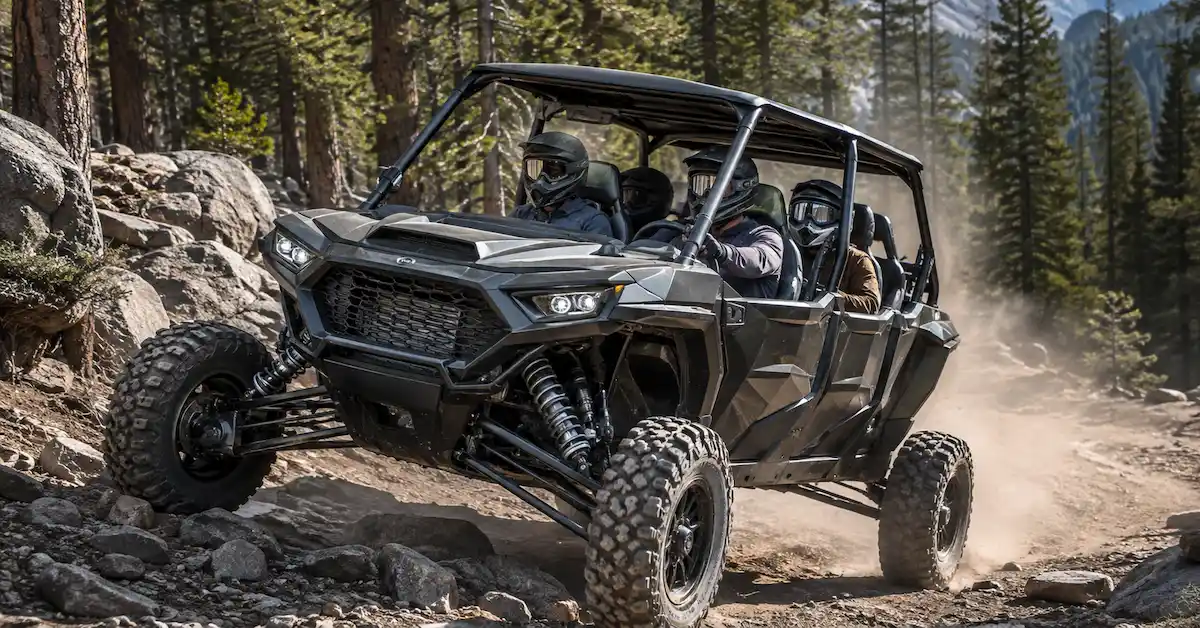
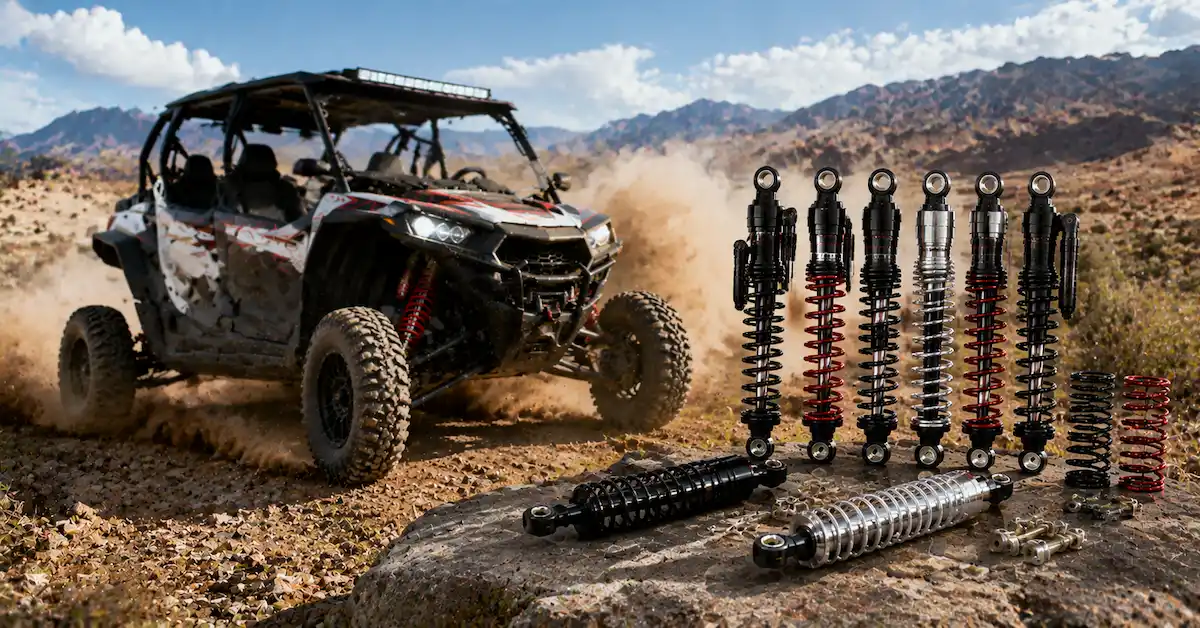
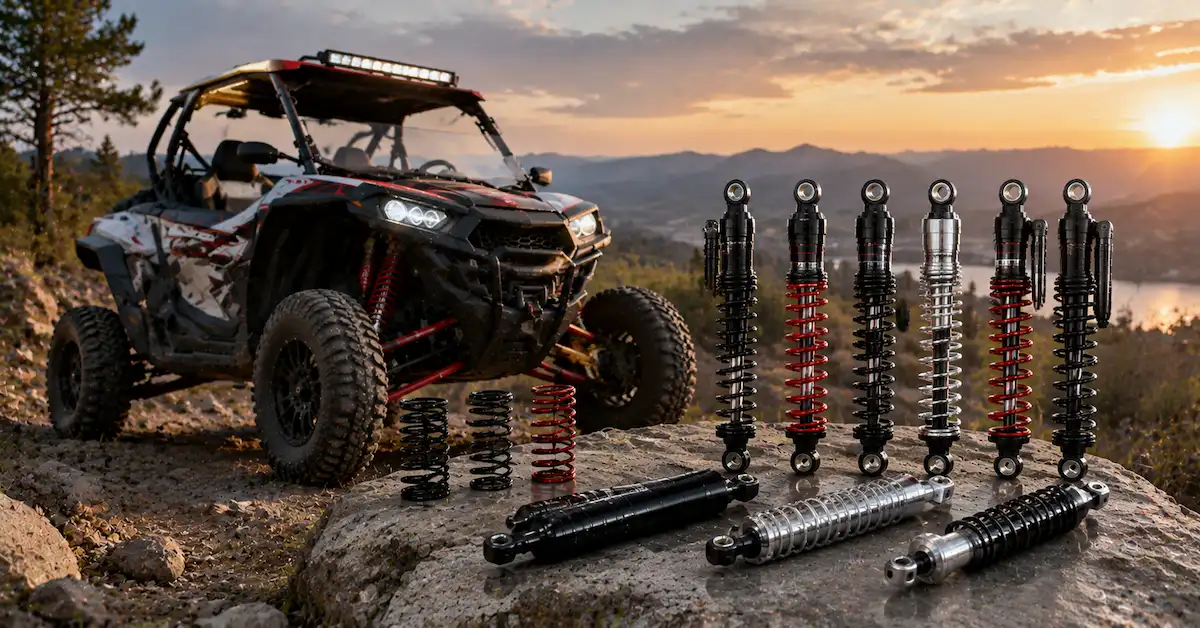
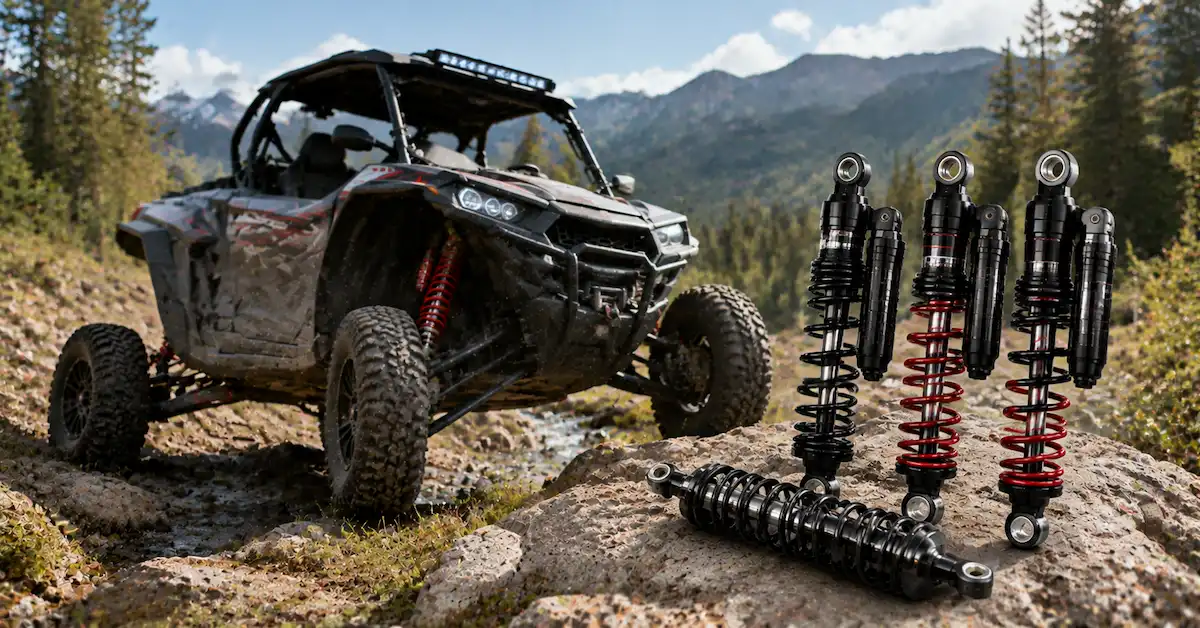
ATV and UTV Suspension Development
Off-road vehicles require:
- Strong impact resistance
- Long suspension travel
- Heavy-duty components
- Reliable damping
Engineering focuses on:
- Terrain conditions
- Vehicle weight
- Rider load
- Shock performance
- Spring selection
Motorcycle Suspension Development
Motorcycle applications require precise tuning for:
- Rider weight
- Handling response
- Comfort
- Performance requirements
Engineering may include:
- Rear shock design
- Spring optimization
- Damping adjustment
- Mounting development
Golf Cart Suspension Development
Golf carts require solutions based on:
- Passenger capacity
- Battery weight
- Utility applications
- Commercial operation
Engineering helps optimize:
- Comfort
- Load support
- Vehicle stability
Electric Vehicle Suspension Development
EV platforms require special consideration because of:
- Heavy battery packs
- Different center of gravity
- Increased vehicle mass
- Commercial operation
Suspension design must balance:
- Comfort
- Stability
- Efficiency
- Durability
Key Information Required for Suspension Design
Before starting a project, a professional partner should collect detailed information.
| Information | Importance |
|---|---|
| Vehicle type | Defines application |
| Vehicle weight | Determines suspension load |
| Maximum payload | Defines support requirements |
| Suspension position | Determines component design |
| Wheel travel | Defines suspension movement |
| Mounting dimensions | Ensures compatibility |
| Operating environment | Influences durability |
| Speed range | Affects damping design |
| Performance target | Guides engineering decisions |
| Existing sample | Supports analysis |
| Technical drawing | Defines specifications |
| Production volume | Supports planning |
A clear project requirement helps engineers create a more accurate solution.
Suspension Design Process
Step 1: Vehicle Requirement Analysis
Engineers evaluate:
- Vehicle purpose
- Load conditions
- Operating environment
- Performance goals
This stage defines the suspension strategy.
Step 2: Suspension System Design
The design process considers:
- Shock absorber specifications
- Spring characteristics
- Mounting structure
- Suspension geometry
- Material selection
The goal is balancing:
- Performance
- Reliability
- Cost
- Manufacturing feasibility
Step 3: Component Engineering
Engineers optimize:
Shock Absorbers
Including:
- Length
- Stroke
- Damping
- Reservoir design
- Mounting structure
Coil Springs
Including:
- Spring rate
- Wire diameter
- Coil geometry
- Material selection
Step 4: Prototype Development
Prototype production verifies:
- Installation
- Movement
- Compatibility
- Performance
Step 5: Testing and Validation
Testing may include:
- Dimensional inspection
- Load testing
- Leakage testing
- Damping evaluation
- Vehicle testing
Shock Absorber and Spring Matching
A successful suspension system requires coordination between springs and shock absorbers.
The spring controls:
- Vehicle support
- Ride height
- Load capacity
The shock absorber controls:
- Compression movement
- Rebound recovery
- Suspension stability
Incorrect matching may cause:
- Excessive bouncing
- Harsh riding
- Poor tire contact
- Reduced handling
A professional design partner evaluates both components together.
Suspension Design Considerations
Vehicle Weight
Weight affects:
- Spring selection
- Shock capacity
- Suspension travel
Load Conditions
Different applications require different settings.
Examples:
- Passenger vehicles
- Cargo vehicles
- Utility vehicles
- Racing vehicles
Terrain
Terrain influences:
- Damping requirements
- Component durability
- Sealing protection
Installation Space
Engineering must consider:
- Frame clearance
- Tire movement
- Mounting location
- Component accessibility
CAD Design and Engineering Support
Modern suspension development relies heavily on digital design tools.
CAD engineering helps evaluate:
- Component placement
- Clearance
- Structural design
- Assembly process
Benefits include:
- Faster modifications
- Better accuracy
- Reduced prototype changes
- Improved production preparation
Prototype Testing and Validation
Prototype testing confirms whether the suspension design meets requirements.
Testing may include:
Dimensional Validation
Verify:
- Length
- Mounting dimensions
- Component tolerance
Functional Testing
Evaluate:
- Compression movement
- Rebound response
- Adjustment performance
Durability Testing
Check:
- Long-term operation
- Structural reliability
- Wear resistance
Vehicle Testing
Confirm:
- Real-world performance
- Comfort
- Stability
Material Selection in Suspension Design
Material selection affects:
- Strength
- Weight
- Durability
- Corrosion resistance
Important components include:
Shock Body
Requires:
- High strength
- Heat resistance
- Machining accuracy
Piston Rod
Requires:
- Wear resistance
- Surface hardness
- Corrosion protection
Springs
Require:
- Fatigue resistance
- Stable performance
- Elastic recovery
Why Engineering Partnerships Reduce Development Risk
Working with a professional design partner helps companies:
- Avoid incorrect specifications
- Reduce prototype revisions
- Improve product reliability
- Shorten development cycles
- Control manufacturing costs
Instead of managing multiple suppliers separately, companies can work with one engineering partner throughout the development process.
How to Choose a Suspension Design Partner
Buyers should evaluate:
Engineering Experience
The partner should understand:
- Suspension systems
- Vehicle applications
- Component interaction
- Manufacturing requirements
Prototype Capability
Evaluate whether the supplier can provide:
- Prototype production
- Sample testing
- Engineering improvements
Manufacturing Capability
Consider:
- Production equipment
- Quality systems
- Supply capacity
- Process control
Testing Capability
Confirm support for:
- Performance testing
- Durability validation
- Quality inspection
Production Transition Ability
A good partner should support:
- Prototype
- Pilot batch
- Mass production
How Bedo Auto Supports Suspension Design Partnerships
As an experienced suspension design partner, Bedo Auto supports global customers through suspension engineering, prototype development, and OEM manufacturing.
Support includes:
- Vehicle application analysis
- Shock absorber design
- Coil spring development
- Sample evaluation
- CAD review
- Prototype production
- Testing validation
- Production support
Applications include:
- ATV
- UTV
- Motorcycle
- Golf cart
- Utility vehicle
- Electric vehicle
- Specialty vehicle
Buyers can review suspension solutions through the Bedo Auto Products page.
For engineering cooperation, samples, drawings, and project requirements can be submitted through the Contact Us page.
FAQ
What is a suspension design partner?
A suspension design partner provides engineering support for developing suspension systems, including design, testing, prototypes, and production preparation.
Why work with a suspension design partner instead of a standard supplier?
A design partner helps optimize the complete suspension system instead of only supplying individual components.
Can suspension systems be designed for new vehicles?
Yes. Suspension partners can support new vehicle platforms from concept development to production.
What information is needed for suspension design?
Vehicle weight, load conditions, dimensions, operating environment, performance goals, and production requirements are typically required.
Can suspension design include shock absorbers and springs?
Yes. Professional suspension development evaluates shock absorbers, springs, mounting structures, and vehicle requirements together.
Can Bedo Auto support OEM production after design?
Yes. Bedo Auto supports prototype development, validation, pilot production, and long-term OEM manufacturing.
Conclusion
Choosing the right suspension design partner helps vehicle manufacturers and aftermarket brands develop reliable suspension systems with better performance, durability, and production efficiency.
Suspension design requires more than selecting individual components. Vehicle weight, geometry, spring characteristics, damping performance, materials, testing, and manufacturing capability must all work together.
Through engineering analysis, prototype development, testing validation, and OEM production support, Bedo Auto helps global customers create customized suspension solutions for different vehicle applications.