
A thrilling off-road adventure on your ATV can quickly turn into a bone-rattling ordeal if your vehicle is not equipped with a proper shock absorber. This critical component is the key to a smooth, controlled, and enjoyable experience, separating a great ride from a painful one. When you're navigating rugged trails, deep ruts, and unexpected jumps, the suspension system is what stands between you and the harshness of the terrain. A poorly performing shock doesn't just make for an uncomfortable ride; it can severely impact your vehicle's handling, traction, and overall safety, turning a fun excursion into a dangerous challenge.

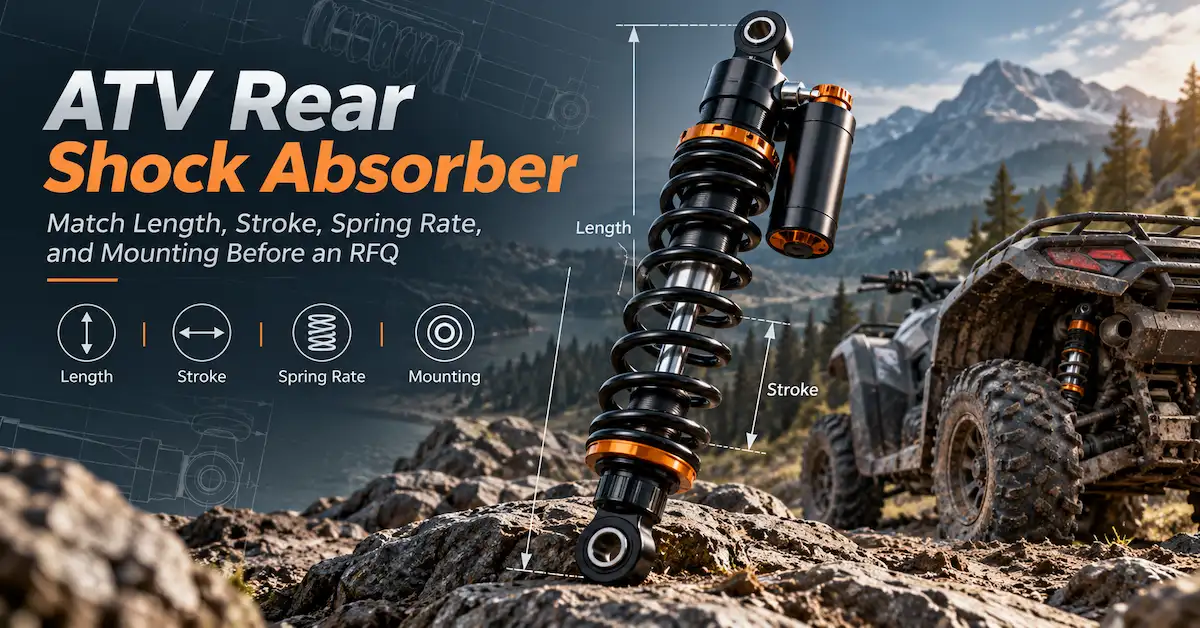
When tackling unpredictable ground, the Rear suspension system bears the brunt of the impact and manages the vehicle's weight transfer. On a powerful machine like a modern ATV or even a performance Motorcycle, the rear shock absorber does more than just cushion bumps. It is responsible for ensuring the tire maintains constant contact with the ground, providing essential traction for acceleration and stability while cornering. If this component fails or is inadequate for the task, you risk losing control, especially at high speeds or on uneven surfaces. This makes a robust and responsive shock essential for both performance and rider confidence.
How can you tell if your shocks need attention? The signs are often noticeable long before a complete failure. If you experience excessive bouncing after hitting a bump, a sensation often described as a 'pogo stick' effect, it's a clear indicator of a worn-out component. Other symptoms include a feeling of instability in corners, the rear end of your vehicle bottoming out on jumps or large dips, or the machine squatting too much under acceleration. A visual inspection might also reveal oil leaking from the shock body or uneven wear patterns on your tires. Ignoring these symptoms not only degrades your ride quality but can also lead to further damage and compromise your safety on the trail.
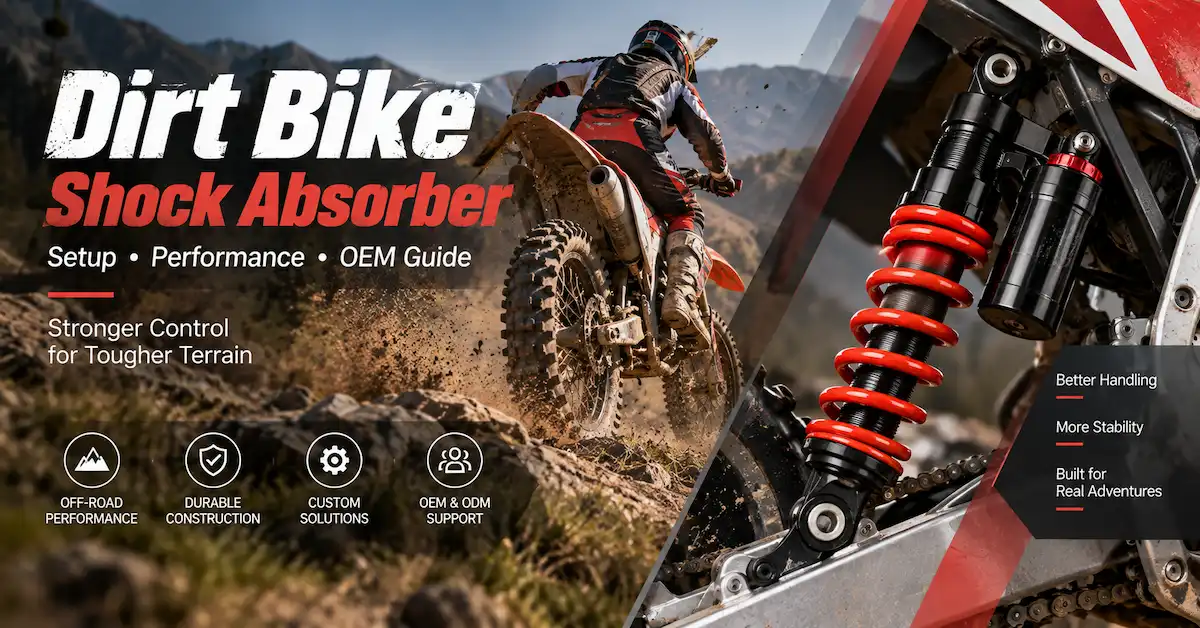
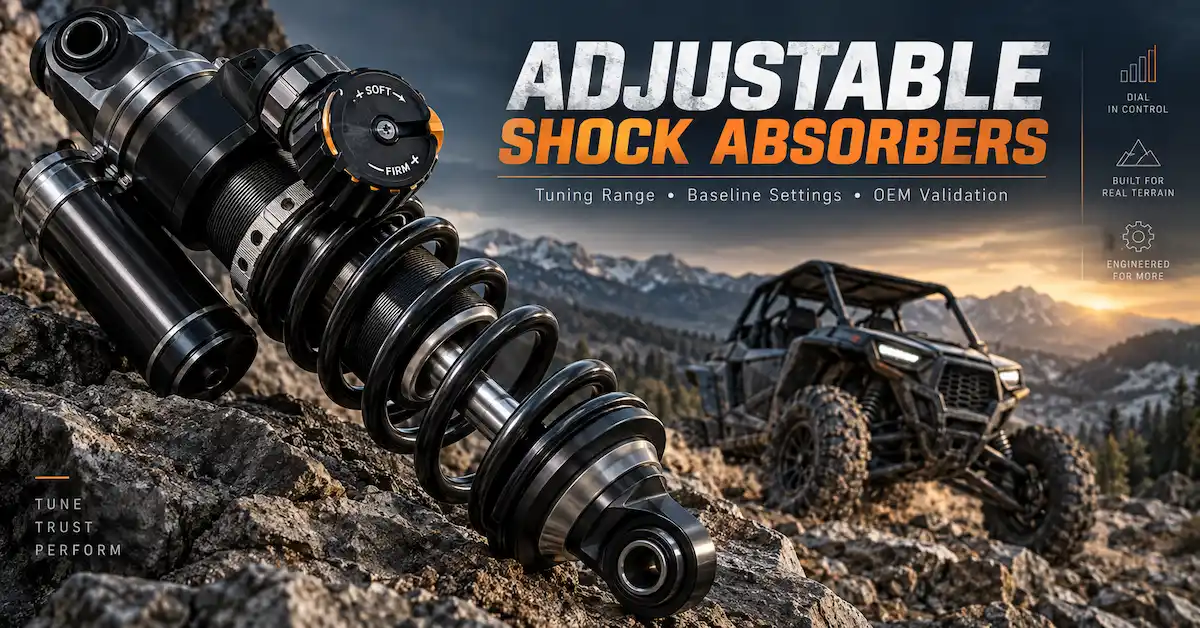
The solution to these handling woes is investing in a superior suspension system. For instance, the R12 ATV is a vehicle engineered with a superior suspension system right from the factory, designed to handle the toughest conditions with precision and ease. For other vehicles, upgrading the Rear shock absorber can completely transform the riding experience. A performance-oriented shock offers better damping capabilities, adjustability, and enhanced durability, allowing you to fine-tune your ride for maximum comfort and control. This principle applies equally to a Motorcycle, where a well-functioning suspension is vital for both track performance and road safety.
Ultimately, the shock absorbers on your vehicle are a fundamental part of its performance and safety profile. They are not a luxury for comfort; they are essential for maintaining traction, ensuring predictable handling, and giving you the confidence to push your machine to its limits. Whether you're navigating rocky paths on your ATV or cruising down the highway on your Motorcycle, a reliable Rear suspension system is one of the most important investments you can make. It ensures that every ride is not just exhilarating but also as controlled and safe as possible, allowing you to fully enjoy your passion.
Why a High-Quality Rear Shock is Non-Negotiable
When tackling unpredictable ground, the Rear suspension system bears the brunt of the impact and manages the vehicle's weight transfer. On a powerful machine like a modern ATV or even a performance Motorcycle, the rear shock absorber does more than just cushion bumps. It is responsible for ensuring the tire maintains constant contact with the ground, providing essential traction for acceleration and stability while cornering. If this component fails or is inadequate for the task, you risk losing control, especially at high speeds or on uneven surfaces. This makes a robust and responsive shock essential for both performance and rider confidence.
Is Your Suspension System Crying for Help?
How can you tell if your shocks need attention? The signs are often noticeable long before a complete failure. If you experience excessive bouncing after hitting a bump, a sensation often described as a 'pogo stick' effect, it's a clear indicator of a worn-out component. Other symptoms include a feeling of instability in corners, the rear end of your vehicle bottoming out on jumps or large dips, or the machine squatting too much under acceleration. A visual inspection might also reveal oil leaking from the shock body or uneven wear patterns on your tires. Ignoring these symptoms not only degrades your ride quality but can also lead to further damage and compromise your safety on the trail.
Transforming Your Ride with the Right Upgrade
The solution to these handling woes is investing in a superior suspension system. For instance, the R12 ATV is a vehicle engineered with a superior suspension system right from the factory, designed to handle the toughest conditions with precision and ease. For other vehicles, upgrading the Rear shock absorber can completely transform the riding experience. A performance-oriented shock offers better damping capabilities, adjustability, and enhanced durability, allowing you to fine-tune your ride for maximum comfort and control. This principle applies equally to a Motorcycle, where a well-functioning suspension is vital for both track performance and road safety.
Invest in Control, Comfort, and Safety
Ultimately, the shock absorbers on your vehicle are a fundamental part of its performance and safety profile. They are not a luxury for comfort; they are essential for maintaining traction, ensuring predictable handling, and giving you the confidence to push your machine to its limits. Whether you're navigating rocky paths on your ATV or cruising down the highway on your Motorcycle, a reliable Rear suspension system is one of the most important investments you can make. It ensures that every ride is not just exhilarating but also as controlled and safe as possible, allowing you to fully enjoy your passion.