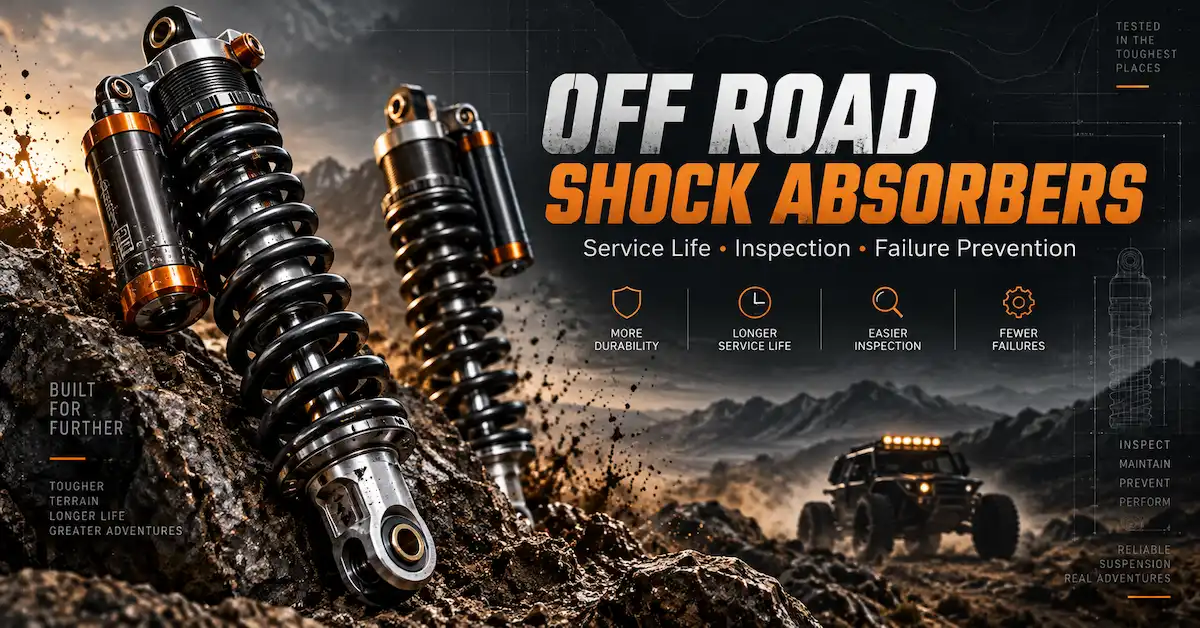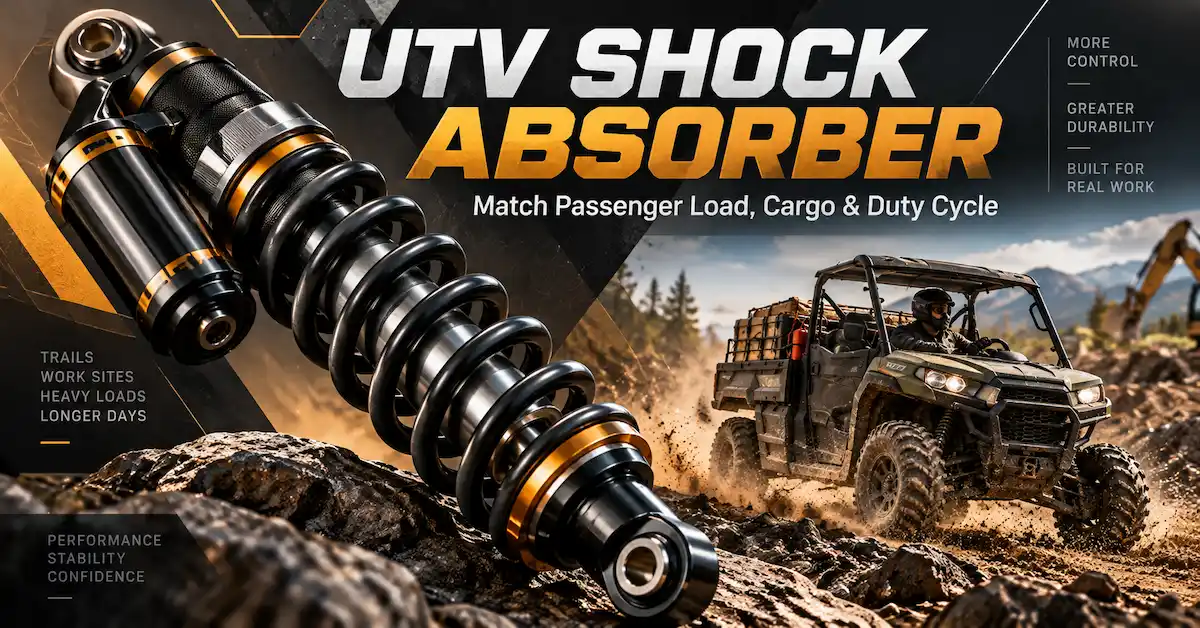

Riding off-road, whether on two wheels or four, is an exhilarating escape into nature. However, that thrill can quickly turn into a jarring, uncomfortable, and even dangerous experience if your vehicle isn't equipped to handle the terrain. The core of a smooth and controlled ride lies in a component that is often overlooked until it fails: the shock absorber. A high-quality shock absorber is the critical link between you and the rough ground, transforming bone-rattling impacts into manageable bumps and ensuring your tires stay planted for maximum traction and safety.
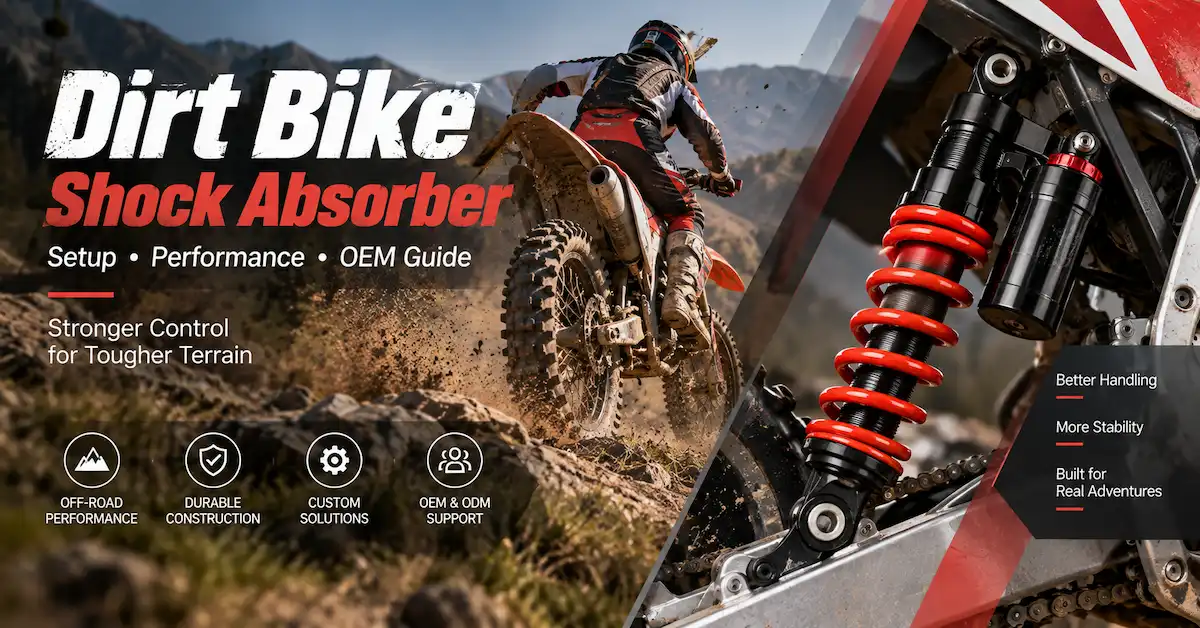
At its core, a shock absorber, or damper, is a mechanical device designed to absorb and dissipate kinetic energy from impacts. When your ATV or motorcycle hits a bump, the springs in the suspension compress and rebound. Without a damper, this bouncing would continue, making the vehicle unstable and difficult to control. The shock absorber's job is to manage that spring movement, converting the energy into heat and providing a stable, predictable ride. This is crucial for any off-road machine, from a powerful ATV designed for rugged landscapes to a nimble motorcycle navigating winding trails. A properly functioning system enhances rider comfort, reduces fatigue, and dramatically improves the handling and safety of the vehicle under challenging conditions.
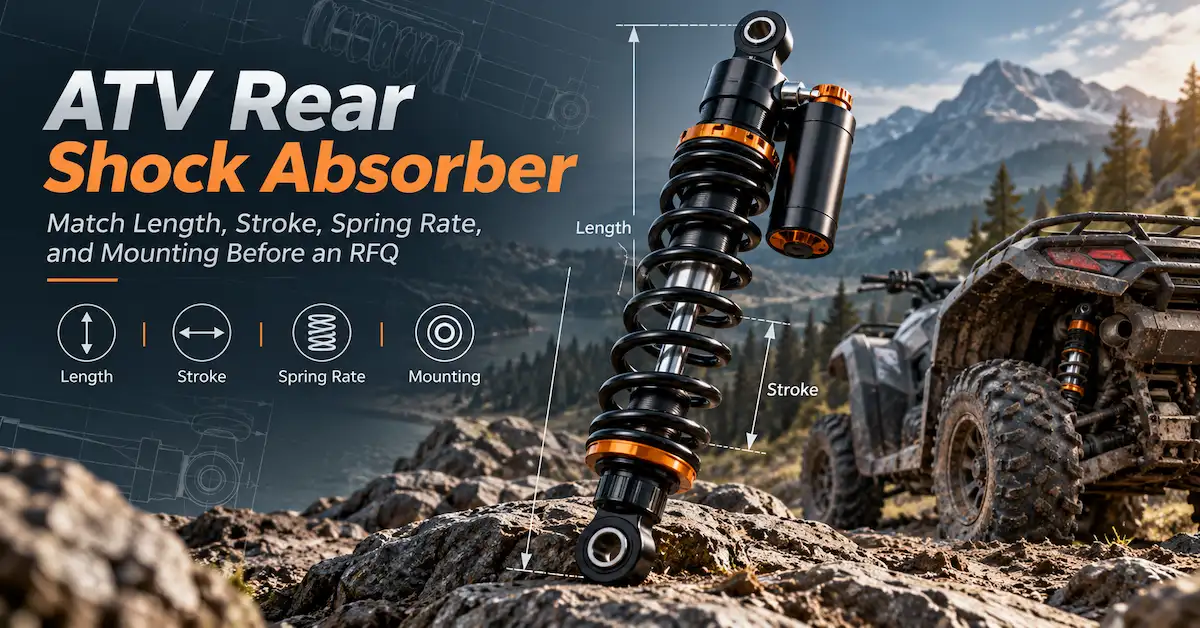
While front suspension is vital for steering and initial impact absorption, the Rear suspension system often bears the brunt of the load and forces, especially during acceleration and over large obstacles. A robust Rear shock setup is essential for maintaining traction and stability. If the Rear shock is worn or inadequate, you might experience a 'pogo-stick' effect, where the back end bounces uncontrollably after a bump. This can lead to a loss of traction, causing the vehicle to fishtail or become unsettled in corners. For both a motorcycle and an ATV, a compromised rear end makes for an unpleasant and hazardous ride, robbing you of the confidence needed to tackle tough terrain effectively.
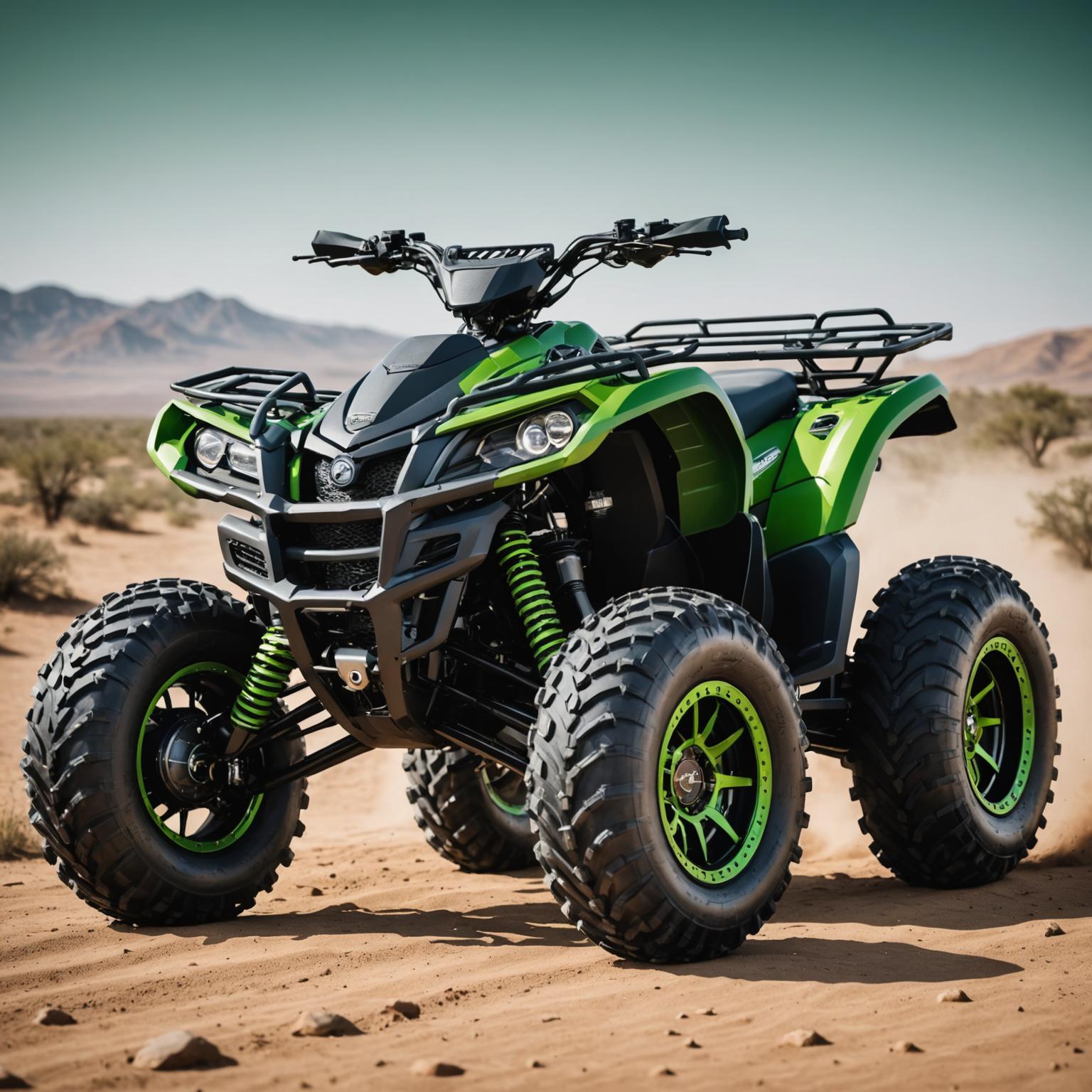
Understanding this principle is what separates exceptional off-road machines from the rest. Take, for instance, the Basalt 125cc Raptor. This state-of-the-art ATV was engineered with a sophisticated suspension system designed specifically to complement its powerful 125cc engine and aggressive all-terrain tires. The designers knew that to deliver a truly thrilling and controllable ride across rugged landscapes, the suspension had to be a focal point. Its advanced shock absorber system works in harmony with the frame's geometry to provide unmatched grip and stability. This means the rider can confidently harness the Raptor's power, knowing the machine will remain planted and responsive, transforming a potentially rough trail into a playground for an unforgettable adventure. The system is built to handle everything from small chatter bumps to large hits, ensuring the ride is as smooth as it is exciting.
It's crucial for every rider to know when their suspension needs attention. The signs of a failing shock absorber can be subtle at first but will worsen over time. A key indicator is an excessively bouncy or floating ride quality. If you press down on the seat and the vehicle bounces more than once or twice, the dampers are likely worn. Another major red flag is bottoming out, where the suspension fully compresses with a harsh thud over bumps it used to handle easily. Look for physical signs as well, such as fluid leaking from the shock body, which indicates a seal has failed. For any ATV or motorcycle owner, ignoring these signs, especially on a Rear shock, can lead to poor handling, increased braking distances, and ultimately, a serious safety risk.
Ultimately, your vehicle's suspension system is your ticket to maximizing both performance and enjoyment. A well-maintained shock absorber setup ensures that every ounce of power is translated into controlled forward motion, not lost to instability and bouncing. Whether you are upgrading the shocks on your current motorcycle or investing in a well-engineered machine like the Basalt 125cc Raptor, prioritizing suspension quality is paramount. It’s the key to unlocking true off-road freedom, providing the control and comfort needed to conquer new trails and create lasting memories on every ride.
Why a High-Quality Shock Absorber is Non-Negotiable
At its core, a shock absorber, or damper, is a mechanical device designed to absorb and dissipate kinetic energy from impacts. When your ATV or motorcycle hits a bump, the springs in the suspension compress and rebound. Without a damper, this bouncing would continue, making the vehicle unstable and difficult to control. The shock absorber's job is to manage that spring movement, converting the energy into heat and providing a stable, predictable ride. This is crucial for any off-road machine, from a powerful ATV designed for rugged landscapes to a nimble motorcycle navigating winding trails. A properly functioning system enhances rider comfort, reduces fatigue, and dramatically improves the handling and safety of the vehicle under challenging conditions.
The Critical Importance of the Rear Suspension
While front suspension is vital for steering and initial impact absorption, the Rear suspension system often bears the brunt of the load and forces, especially during acceleration and over large obstacles. A robust Rear shock setup is essential for maintaining traction and stability. If the Rear shock is worn or inadequate, you might experience a 'pogo-stick' effect, where the back end bounces uncontrollably after a bump. This can lead to a loss of traction, causing the vehicle to fishtail or become unsettled in corners. For both a motorcycle and an ATV, a compromised rear end makes for an unpleasant and hazardous ride, robbing you of the confidence needed to tackle tough terrain effectively.
Experience the Difference with the Right ATV
Understanding this principle is what separates exceptional off-road machines from the rest. Take, for instance, the Basalt 125cc Raptor. This state-of-the-art ATV was engineered with a sophisticated suspension system designed specifically to complement its powerful 125cc engine and aggressive all-terrain tires. The designers knew that to deliver a truly thrilling and controllable ride across rugged landscapes, the suspension had to be a focal point. Its advanced shock absorber system works in harmony with the frame's geometry to provide unmatched grip and stability. This means the rider can confidently harness the Raptor's power, knowing the machine will remain planted and responsive, transforming a potentially rough trail into a playground for an unforgettable adventure. The system is built to handle everything from small chatter bumps to large hits, ensuring the ride is as smooth as it is exciting.
Recognizing the Signs of a Failing Shock
It's crucial for every rider to know when their suspension needs attention. The signs of a failing shock absorber can be subtle at first but will worsen over time. A key indicator is an excessively bouncy or floating ride quality. If you press down on the seat and the vehicle bounces more than once or twice, the dampers are likely worn. Another major red flag is bottoming out, where the suspension fully compresses with a harsh thud over bumps it used to handle easily. Look for physical signs as well, such as fluid leaking from the shock body, which indicates a seal has failed. For any ATV or motorcycle owner, ignoring these signs, especially on a Rear shock, can lead to poor handling, increased braking distances, and ultimately, a serious safety risk.
Your Passport to a Smoother, Safer Adventure
Ultimately, your vehicle's suspension system is your ticket to maximizing both performance and enjoyment. A well-maintained shock absorber setup ensures that every ounce of power is translated into controlled forward motion, not lost to instability and bouncing. Whether you are upgrading the shocks on your current motorcycle or investing in a well-engineered machine like the Basalt 125cc Raptor, prioritizing suspension quality is paramount. It’s the key to unlocking true off-road freedom, providing the control and comfort needed to conquer new trails and create lasting memories on every ride.