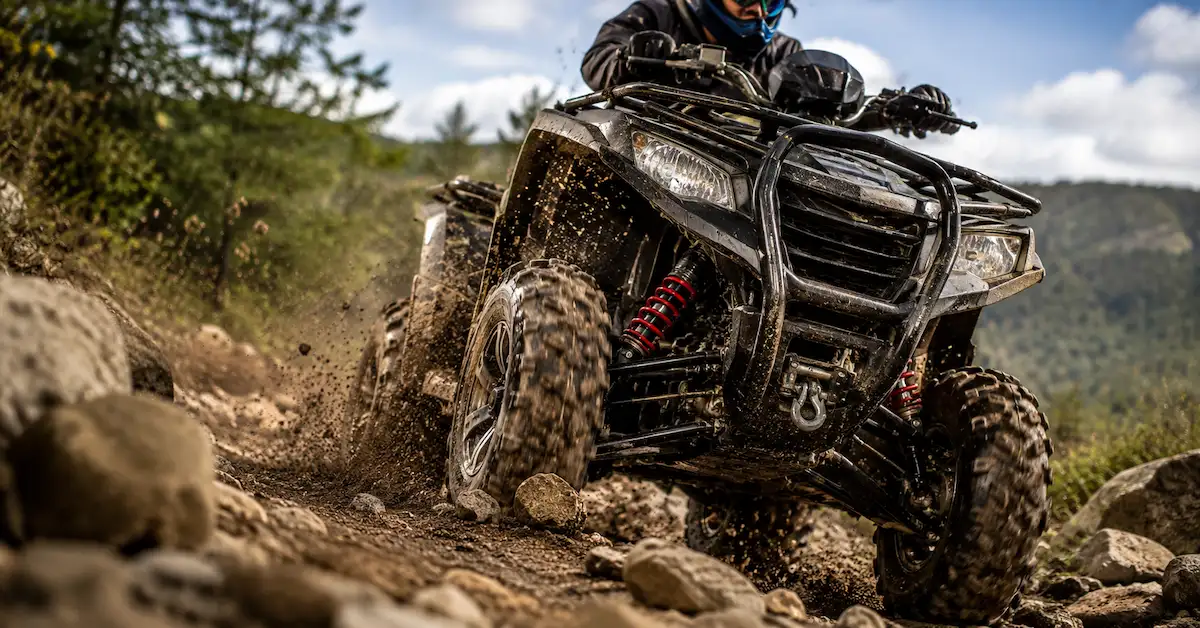

ATV、UTV、オートバイ、電動バイク、スノーモービル、特殊車両のブランドの場合、ショックアブソーバー メーカーの選択は、単に寸法と単価に基づいて購入を決定するわけではありません。
ショックアブソーバーは、サスペンションの動き、タイヤの接触、乗り心地の安定性、振動制御、衝撃吸収、周囲のコンポーネントの耐用年数に影響を与えます。バネレート、減衰力、ストローク、シール構造、操作荷重が正しくない場合、製品が取り付け箇所に適合していても性能が十分に発揮されない場合があります。
これにより、B2B 購入者にとって重大なリスクが生じます。ショックアブソーバーが不適切に適合していると、取り扱いが不安定になり、過度の跳ね返り、オイル漏れ、早期摩耗、顧客からの苦情、保証費用、一貫性のない繰り返し注文が発生する可能性があります。
信頼できる製造パートナーは、アプリケーション全体を理解し、車両データを管理された技術仕様に変換し、テストを通じて性能を検証し、承認された製品を一貫して再現する必要があります。
Bedo Auto は、オフロードおよび特殊車両用途向けのショックアブソーバー、サスペンション スプリング、カスタマイズされたサスペンション コンポーネントを提供しています。購入者は、Bedo Auto 製品ページを通じて、利用可能な製品範囲を調べることができます。
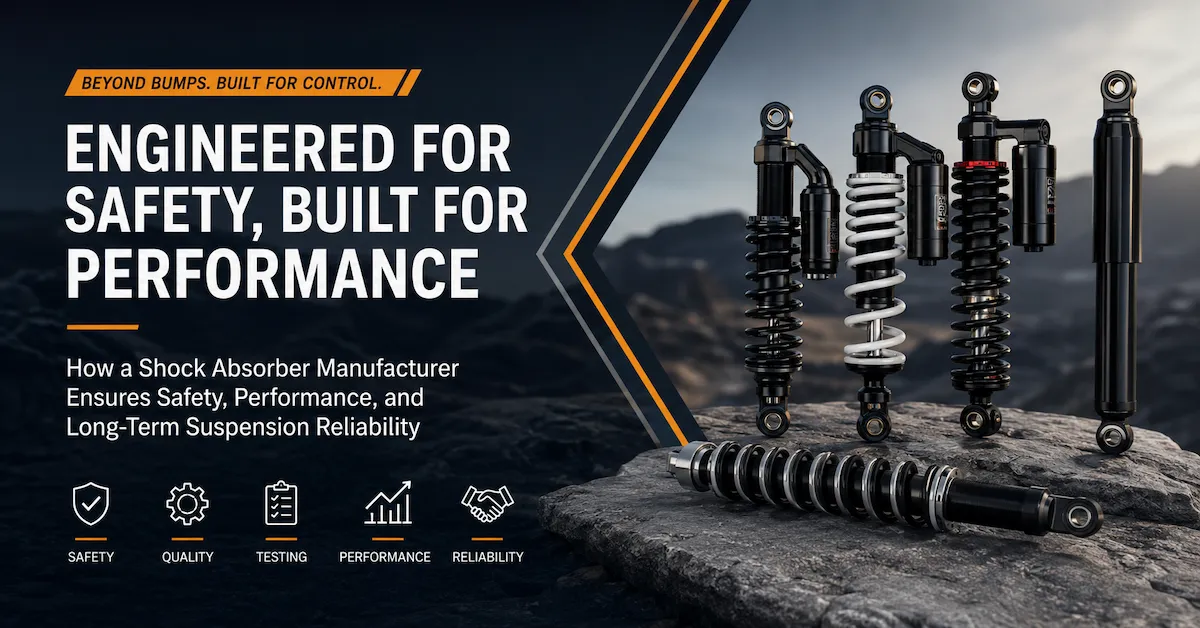
ショックアブソーバーがサスペンションの安全性にとって重要である理由
サスペンション システムは、車両の安定性と制御性を維持しながら、車輪が平らでない路面上を移動できるようにする必要があります。
スプリングは車両をサポートし、衝撃の一部を吸収します。ショックアブソーバーは、サスペンションの圧縮と復元の速さを制御します。十分な減衰がないと、車両が段差を乗り越えた後もスプリングが振動し続ける可能性があります。
この制御されていない動きにより、次のような問題が発生する可能性があります。
- 過度の車両の跳ね返り
- タイヤの接触の減少
- コーナリングの安定性が低い
- 激しいリバウンドまたは制御不能なリバウンド
- 衝撃後の安定時間が長くなる
- スプリングとブッシュの摩耗の増加
- ライダーの自信の低下
- 負荷変化時の不安定な動作
オフロード車の場合、泥、岩、ジャンプ、荷物の積載、繰り返しの圧縮サイクル、水への曝露、大きな温度変化によって、これらのリスクが増大します。
専門のショックアブソーバー メーカーは、すべての車両に 1 つの標準的な減衰設定を適用するのではなく、これらの動作条件に基づいて製品を設計する必要があります。
ショックアブソーバー メーカーがアプリケーションをどのように定義するか
信頼性の高いショックアブソーバーの開発は用途分析から始まります。
メーカーは製品を推奨する前に、車両、設置位置、動作環境、総荷重、および目標性能を理解する必要があります。
| 必須情報 | 重要な理由 | |
|---|---|---|
| 車両カテゴリ | ATV、UTV、オートバイ、電動バイク、スノーモービルのアプリケーションには異なる構造が必要です | |
| 設置位置 | フロントショックとリアショックでは異なる荷重と動作比率が発生します | |
| 車両重量 | スプリングサポートとダンピング要件に影響を与える | |
| 乗客および乗客の荷重 | サスペンションのサグと動作重量を変更します | |
| 貨物または機器の積載量 | ユーティリティ UTV および商用車にとって重要 | |
| バッテリー重量 | 電動バイクのサスペンションのマッチングに重要 | |
| 地形 | 泥、岩、砂、雪、小道、舗装道路は、さまざまな衝撃条件を作り出します | |
| 乗車の目的 | レクリエーション、レース、ユーティリティ、ツーリング、商業用途 | |
| 目標パフォーマンス | 快適性、荷重サポート、コントロール、耐久性、またはポジショニングのアップグレード | |
| サンプルまたは図面 | 寸法、取り付け、構造要件の確認に役立ちます | |
| 注文計画 | プロトタイプ、少量バッチ、生産計画を決定する |
| 設計要素 | パフォーマンスと信頼性への影響 | |
|---|---|---|
| ピストン ロッドの品質 | 動き、シールの寿命、強度、表面損傷に対する耐性に影響します | |
| シール システム | 油を保持し、汚染を防ぎます | |
| ショックボディの材質 | 強度、熱制御、耐食性、重量に影響します | |
| ピストンとバルブの構造 | 圧縮とリバウンドの特性を決定します | |
| オイル仕様 | さまざまな温度での減衰の一貫性に影響を与える | |
| ガス室の設計 | 該当する場合、圧力の管理とキャビテーションの低減に役立ちます | |
| ブッシュ | 防振、取り付け、荷重伝達に影響します | |
| 高まる目 | 取り付け精度と構造強度に影響を与える | |
| ばねの材質 | 疲労耐性と長期的な荷重サポートを決定します | |
| 表面処理 | 水、泥、塩分、腐食からコンポーネントを保護 | |
| 調整システム | 減衰調整が必要な場合の制御されたチューニングをサポート |
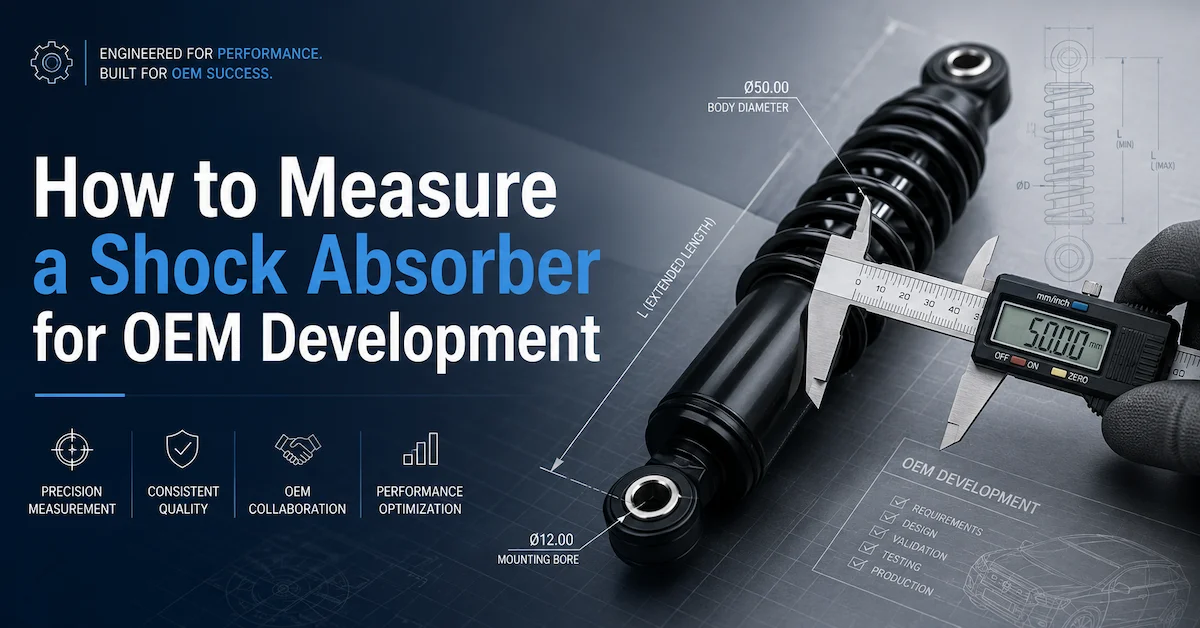
| 検査項目 | 重要な理由 | |
|---|---|---|
| 拡張された長さ | ショックアブソーバーの全長を定義します | |
| 圧縮された長さ | 機械的干渉を防止 | |
| 有効ストローク | サスペンションの移動量を制御 | |
| 取付穴径 | ボルトの互換性を確保 | |
| 取り付け幅 | 緩みや取り付け不良を防止 | |
| 本体直径 | 構造と設置スペースに影響します | |
| ロッド直径 | 強度と密閉性に影響します | |
| スプリングの自由長 | プリロードと車高に影響します | |
| スプリング外径 | 設置スペースの確保 | |
| 取り付け方向 | 誤ったアセンブリを防止 |
| Evaluation point | Standard replacement product | Custom manufacturer solution |
|---|---|---|
| Fitment | Based on common dimensions | Based on sample, drawing, or vehicle data |
| Spring rate | Fixed specification | Matched to vehicle and payload |
| Damping | General setting | Developed for the target application |
| Mounting structure | Standard | Customizable |
| Surface treatment | Fixed option | Selected for the operating environment |
| Branding | Limited | Color, logo, label, and packaging support |
| Validation | General inspection | Prototype and small-batch validation |
| Best suited for | Basic replacement demand | OEM, ODM, private label, and special projects |