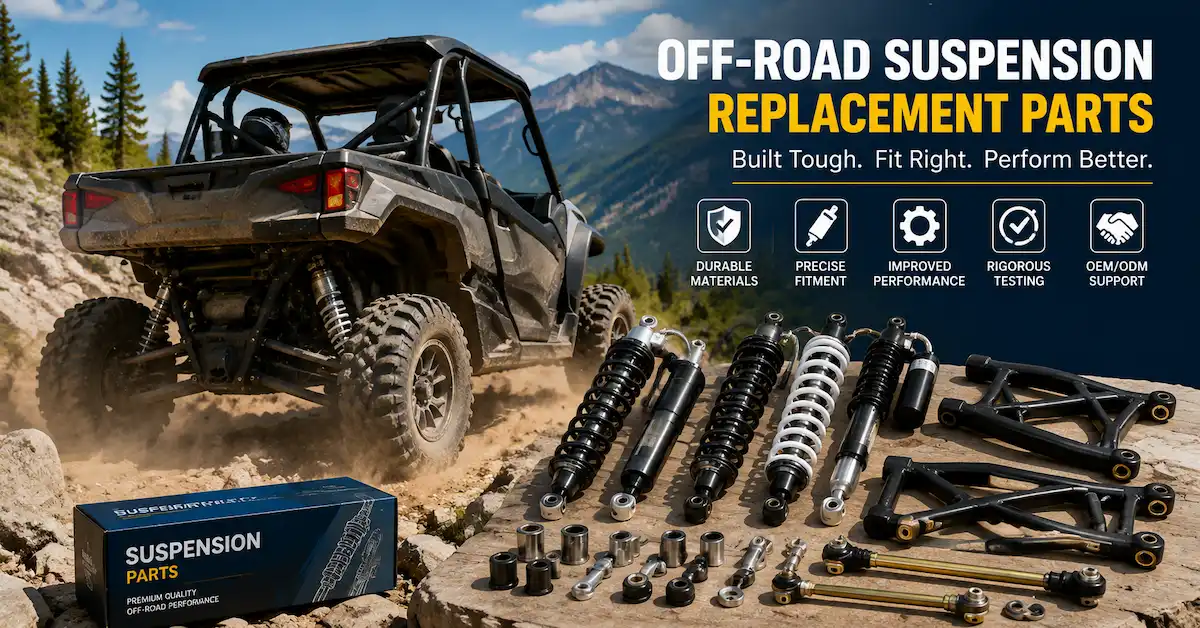

Understanding DOT-Certified Motorcycle Spring Specs
DOT-certified motorcycle spring specs are essential for riders prioritizing safety, performance, and compliance with federal standards. These specifications ensure that motorcycle suspension components meet rigorous testing criteria set by the Department of Transportation (DOT), guaranteeing reliability on the road. For enthusiasts upgrading their bikes, knowing the intricacies of these specs can make all the difference in achieving optimal handling and durability.
The Importance of Certification in Motorcycle Springs
When it comes to motorcycle maintenance, DOT-certified motorcycle spring specs represent a benchmark for quality. Certification involves extensive lab testing for load capacity, fatigue resistance, and material integrity, ensuring springs can withstand real-world stresses without failure. Riders often overlook these specs, but they directly impact braking efficiency, cornering stability, and overall ride comfort. By adhering to DOT standards, manufacturers produce springs that reduce the risk of mechanical breakdowns, which is crucial for both daily commuters and adventure seekers navigating varied terrains.
Key Elements of DOT-Certified Motorcycle Spring Specs
Delving deeper into DOT-certified motorcycle spring specs, one key aspect is the wire diameter and coil count, which determine the spring's stiffness and ability to absorb shocks. Typically, these specs mandate a minimum tensile strength of 200,000 psi for steel alloys used, preventing deformation under high pressure. Free length and installed height are also standardized to ensure compatibility across different motorcycle models, from cruisers to sport bikes. Load ratings, often ranging from 200 to 600 pounds per spring, allow customization based on rider weight and cargo. These precise measurements not only enhance performance but also promote longevity, reducing the frequency of replacements.
Choosing the Right Springs for Your Ride
Selecting DOT-certified motorcycle spring specs tailored to your bike's needs involves assessing your riding style and environmental conditions. For instance, off-road enthusiasts might opt for progressive rate springs, where stiffness increases with compression, providing a smoother ride over bumps while maintaining control at higher speeds. It's advisable to consult a professional mechanic to match these specs with your motorcycle's OEM requirements, avoiding mismatches that could void warranties or compromise safety. Online resources and manufacturer guides often detail these specs, helping riders make informed decisions without guesswork.
Performance Benefits of Compliant Springs
Riding with DOT-certified motorcycle spring specs unlocks superior handling and responsiveness. These springs are engineered to minimize sag under load, preserving ground clearance and tire contact for better traction. In wet or slippery conditions, the enhanced damping characteristics reduce vibrations, leading to less rider fatigue on long journeys. Moreover, compliance with DOT standards means peace of mind, as these components have been vetted for environmental resilience, including resistance to temperature fluctuations and corrosive elements like road salt.
Maintenance Tips for Longevity
To maximize the lifespan of springs meeting DOT-certified motorcycle spring specs, regular inspections are vital. Check for signs of wear such as uneven spacing or rust spots, and clean them after exposure to mud or chemicals. Lubricating pivot points and ensuring proper torque on mounting hardware can prevent premature failure. During seasonal changes, adjust preload settings to adapt to varying loads, keeping the specs in optimal condition. Following these practices not only upholds certification benefits but also extends the interval between full suspension overhauls.
Upgrading with High-Quality Aftermarket Options
For those looking to elevate their motorcycle's performance, aftermarket DOT-certified motorcycle spring specs offer innovative upgrades. Brands specializing in suspension technology provide options with adjustable damping and lightweight materials, improving fuel efficiency without sacrificing strength. Installing these can transform a standard ride into a precision machine, ideal for track days or cross-country tours. Always verify the certification markings on the product to ensure authenticity, as counterfeit parts may not meet the necessary specs.
Safety Considerations and Regulations
Adhering to DOT-certified motorcycle spring specs is not just about performance—it's a legal imperative in many regions. Non-compliant springs can lead to failed inspections or liability issues in accidents, underscoring the need for certified components. Riders should stay updated on evolving regulations, as specs may incorporate new materials like composite reinforcements for even greater durability. By prioritizing these standards, motorcyclists contribute to safer roads and set an example for responsible riding.
Conclusion: Ride with Confidence
In summary, DOT-certified motorcycle spring specs form the foundation of a reliable and high-performing suspension system. Whether you're a novice or seasoned rider, investing in these certified parts ensures durability, safety, and an exhilarating experience. Explore reputable suppliers to find specs that align with your bike's demands, and enjoy the difference quality makes on every twist and turn.