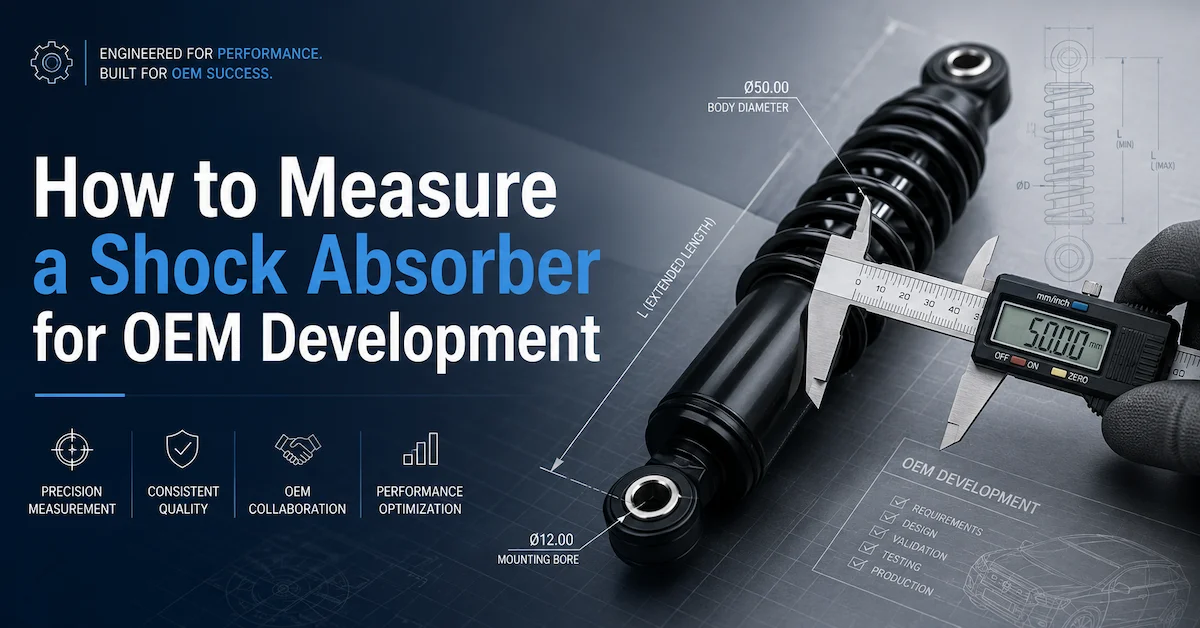

Long-distance touring is rarely limited by engine performance—it’s limited by comfort.
After hours on the road, even small vibrations from uneven surfaces begin to accumulate. The rider feels it in the hands, shoulders, and lower back. Over time, that constant feedback reduces focus and increases fatigue.
A noise-damped shock absorber for touring addresses this issue directly by minimizing both vibration transfer and mechanical noise, allowing riders to maintain stability and comfort over extended distances.
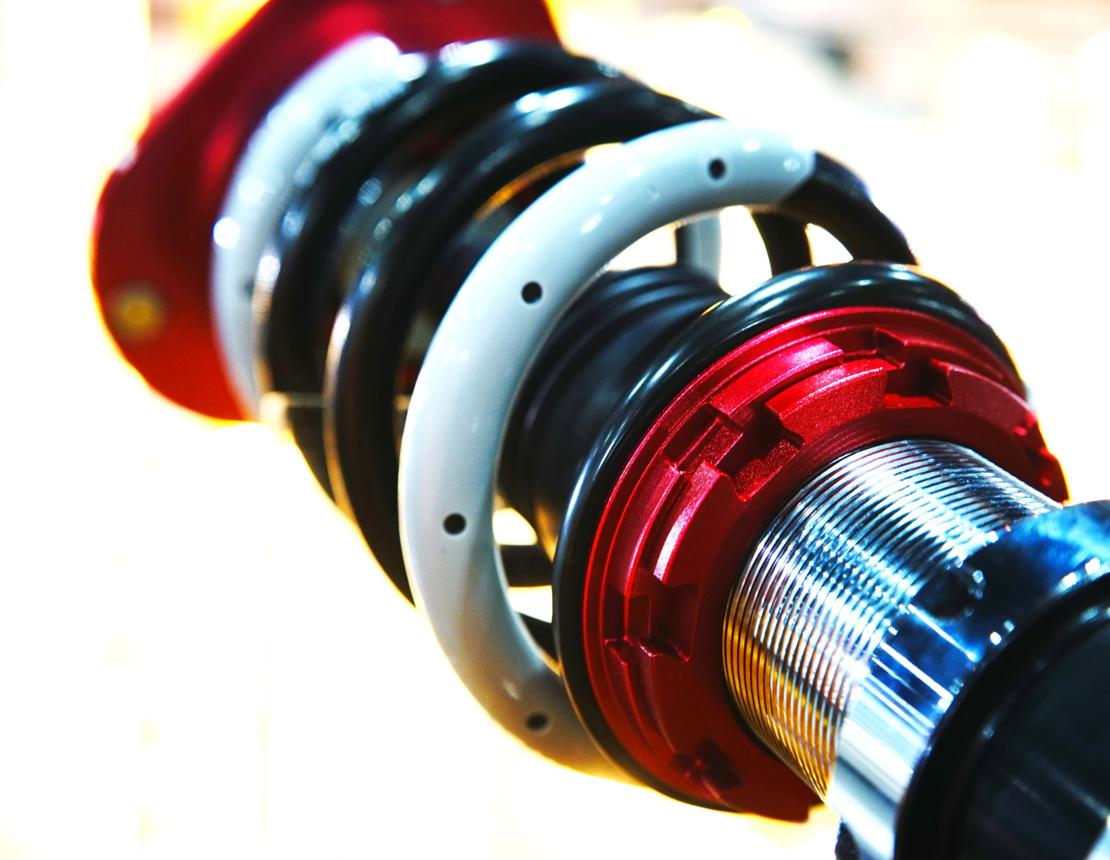
How Noise-Damping Works in Suspension Systems
Unlike standard shock absorbers that focus only on impact, noise-damped systems control micro-vibration and resonance.
Key mechanisms include:
- Multi-layer rubber bushings to isolate vibration
- Controlled oil flow to smooth rebound transitions
- Reduced internal friction noise through optimized sealing
- Balanced spring and damper interaction
Instead of reacting to bumps alone, the system filters continuous vibration—this is what makes a noticeable difference during long touring sessions.
Standard Suspension vs Noise-Damped Design
| Feature | Standard Shock | Noise-Damped Shock Absorber for Touring |
|---|---|---|
| Vibration Transfer | Direct to frame | Significantly reduced |
| Noise Level | Noticeable mechanical sound | Low-noise operation |
| Rider Fatigue | High over time | Reduced fatigue |
| Ride Stability | Basic | Consistent and smooth |
| Long-Distance Comfort | Limited | Optimized for endurance |
A properly designed noise-damped shock absorber for touring improves not just comfort—but overall riding efficiency.
Solution Approach: Matching Damping with Real Riding Conditions
To achieve true noise reduction, the suspension system must be designed as a whole.
Core solution elements:
- Matched spring rate and damping curve
- Optimized rebound speed for stability
- Structural isolation to prevent vibration transfer
- Durable seals to maintain performance consistency
A complete suspension setup—rather than separate components—ensures that vibration control remains stable across different terrains.
While a standard shock absorber may have a lower initial cost, a noise-damped shock absorber for touring reduces long-term expenses by minimizing wear, extending lifespan, and lowering maintenance frequency.
One common mistake buyers make is focusing only on initial pricing. In practice, inconsistent damping performance, early wear, or unstable supply can lead to significantly higher long-term costs and customer complaints.
You can explore integrated suspension systems on the
products page
Why Noise-Damped Suspension Improves Performance
Lower Physical Stress
Reduced vibration directly lowers strain on the rider’s body.
Longer Component Life
Less internal friction and vibration means reduced wear on seals and joints.
Improved Control
Stable damping helps maintain traction and consistent handling.
Better Riding Experience
Smoother, quieter rides improve user satisfaction—especially for touring users.
Recommended for OEM and Bulk Applications
For OEM buyers and distributors, noise-damped shock absorber solutions are widely used in long-distance touring motorcycles, where vibration control directly affects durability, rider comfort, and product reliability. Choosing a reliable supplier ensures consistent quality, stable supply, and reduced after-sales risk across bulk orders.
Real-World Touring Scenarios
- Highway Touring: Continuous micro-vibration over long distances
- Mountain Roads: Frequent transitions require stable rebound
- Mixed Terrain: Switching surfaces increases suspension stress
- Heavy Load Touring: Luggage adds additional vibration pressure
In all these scenarios, a noise-damped shock absorber for touring ensures consistent ride behavior.
Selection Advice for Buyers and OEM Projects
When sourcing touring suspension systems, consider:
- Damping consistency under long cycles
- Noise-reduction design (bushings, sealing, structure)
- Compatibility with load variations
- Supplier capability for full suspension integration
- Verified fatigue and vibration testing
Learn more about manufacturing capabilities here:
about us
Frequently Asked Questions
Q1: Can noise-damped shock absorbers be customized for OEM projects?
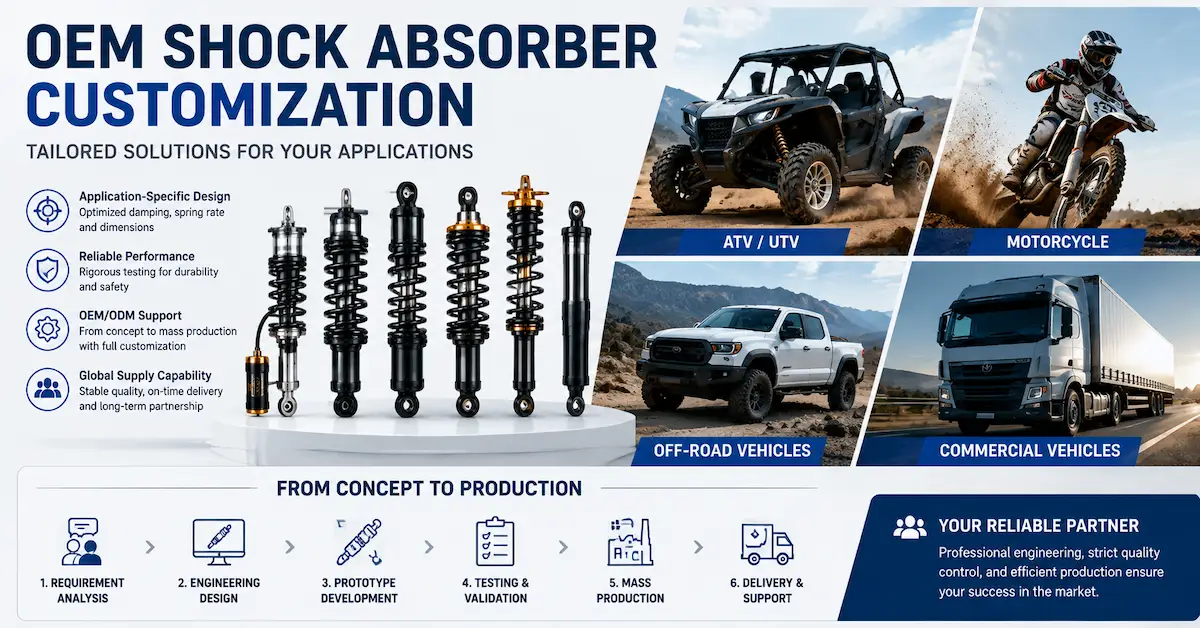
Yes. Manufacturers can adjust damping performance, size, and structure to meet different touring vehicle requirements.
Q2: What is the typical MOQ for touring shock absorbers?
MOQ depends on the supplier, but many OEM manufacturers support flexible quantities for initial orders and bulk production.
Q3: How does vibration reduction affect long-term cost?
Lower vibration reduces component wear, extends lifespan, and minimizes maintenance frequency, lowering total operating cost.
A Better Touring Experience Starts with Smarter Suspension
For OEM projects and bulk procurement, choosing a reliable suspension partner is critical to ensuring long-term product performance and supply stability.
If you are evaluating noise-damped shock absorber solutions for touring applications, it is worth working with a supplier that can support both technical customization and consistent batch production.
Visit:
https://bedoauto.com
Request a quote:
https://www.bedoauto.com/contact-us