
Precision Under Pressure: How Coil Spring Manufacturers Engineer Strength and Stability
Engineering Challenge: Where Durability Meets Precision
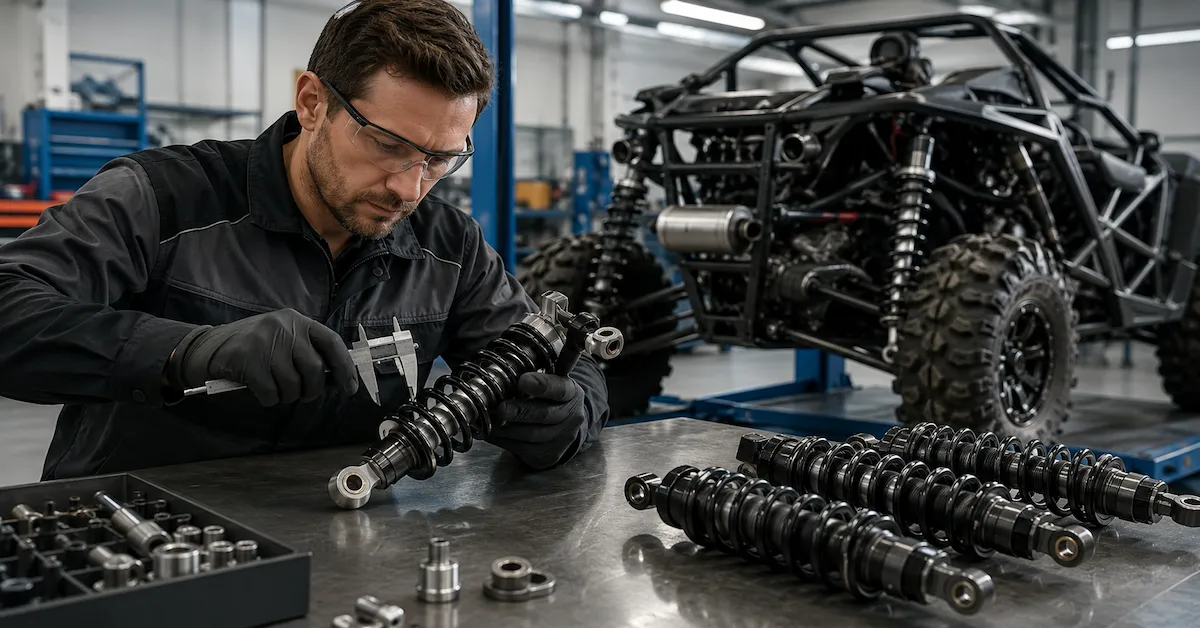
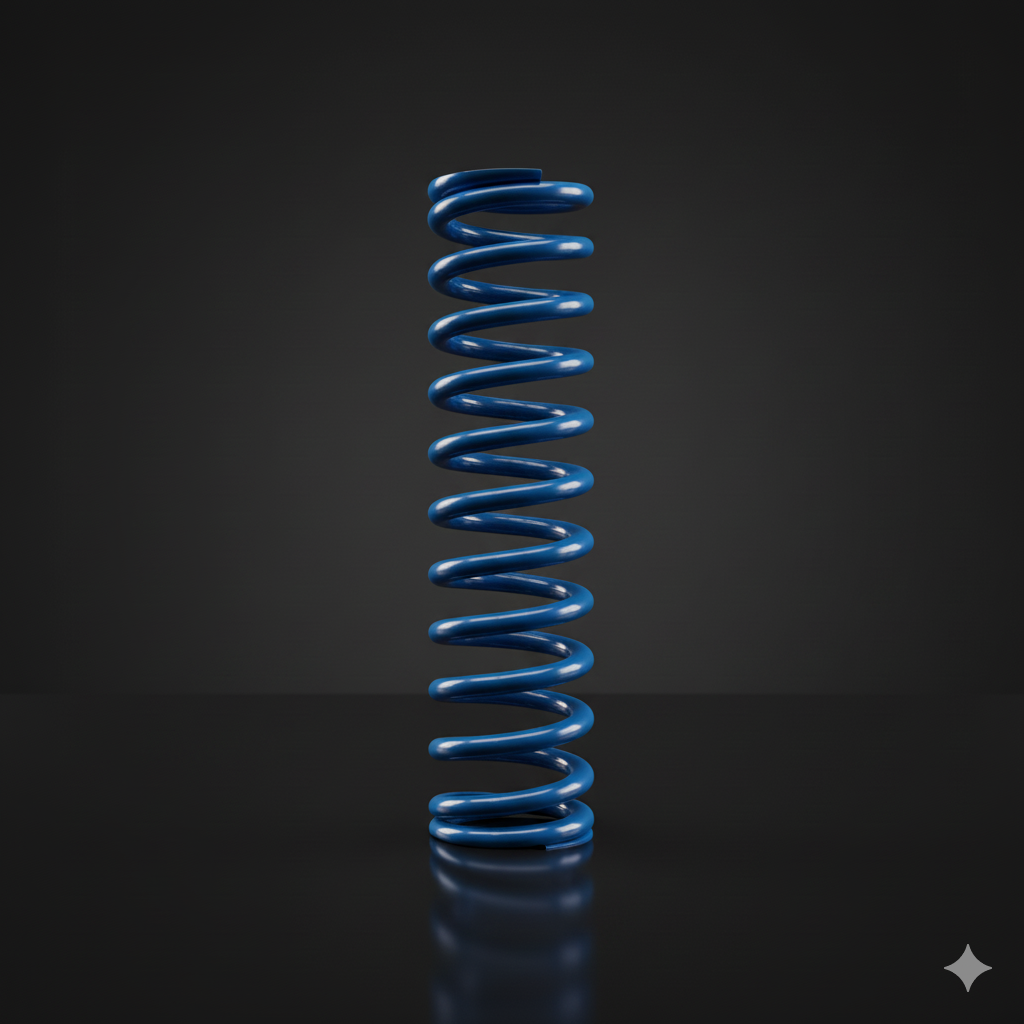
Coil springs may appear simple—but they are among the most technically demanding components in vehicle suspension systems.
Their job is to maintain consistent performance under millions of compression cycles while supporting dynamic loads, vibration, and environmental stress.
For manufacturers, the challenge lies in balancing strength, fatigue resistance, and elasticity. A small deviation in wire diameter, heat treatment, or coil pitch can lead to spring sag, reduced stability, or catastrophic failure.
In an industry where reliability equals reputation, precision manufacturing has become the defining standard.
Metallurgical Principles Behind Performance
At the heart of every high-quality coil spring lies metallurgical control.
Professional manufacturers like Bedo employ alloy steel grades such as SAE 9254, 60SiCr7, and 51CrV4, optimized for tensile strength and fatigue life.
Each production stage—from wire drawing to quenching—affects microstructure integrity:
-
Hot Forming: The wire is heated and coiled with precision-controlled pitch to maintain uniform elasticity.
-
Oil Quenching & Tempering: This process locks in tensile strength and prevents residual stress.
-
Shot Peening: Micro steel beads compress the surface, improving fatigue life by up to 30%.
-
Powder Coating or Electrostatic Painting: Protects against corrosion and chemical degradation.
Advanced coil spring manufacturers also conduct microhardness and surface roughness tests to ensure long-term consistency across large production runs.
Traditional vs. Precision Coil Spring Manufacturing
| Aspect | Conventional Production | Precision Manufacturing (Bedo Standard) |
|---|---|---|
| Material | Carbon steel | Chrome-silicon or vanadium alloy steel |
| Forming Accuracy | Manual winding, ±1.5 mm error | CNC coiling, ±0.3 mm tolerance |
| Heat Treatment | Standard furnace | Controlled quenching and multi-stage tempering |
| Surface Strengthening | None or limited | Full shot peening and pre-stress process |
| Corrosion Protection | Basic coating | Anti-rust powder coating + salt spray tested |
| Testing | Random sample check | 100% fatigue + compression testing (≥500k cycles) |
This evolution transforms coil spring production from a traditional craft into a data-driven engineering discipline—ensuring each spring delivers predictable, repeatable performance.
Application Diversity: From Motorcycles to Heavy Vehicles
High-performance coil springs are essential in nearly every vehicle category, each with distinct engineering goals:
-
Motorcycles: Lightweight, high-flexibility springs tuned for rider comfort and cornering control.
-
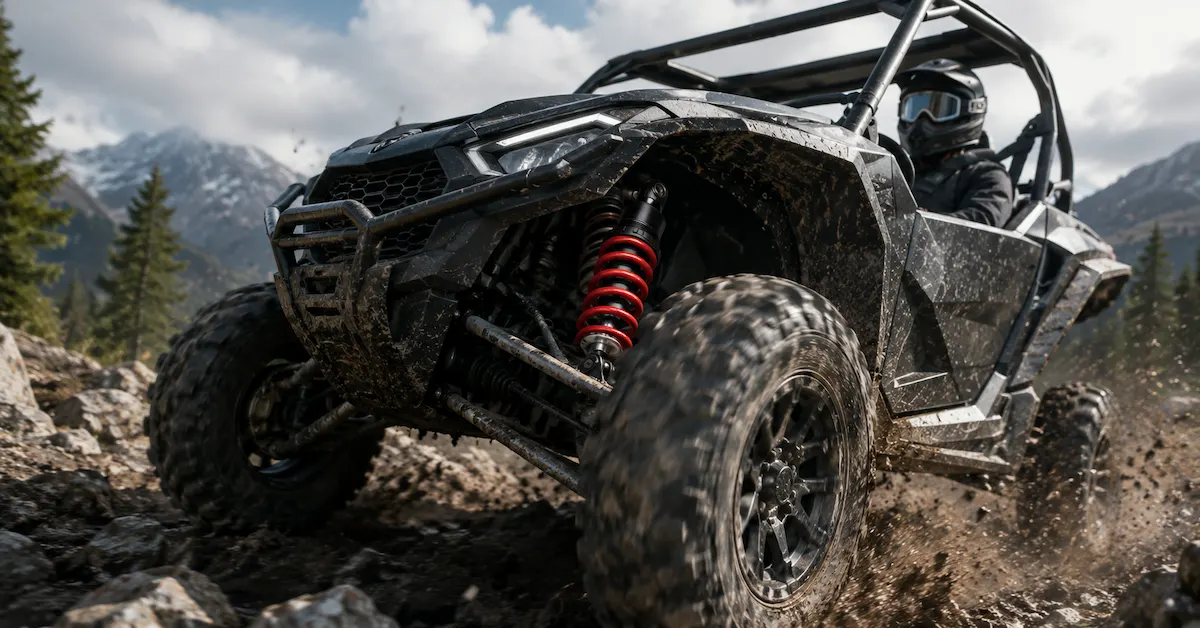
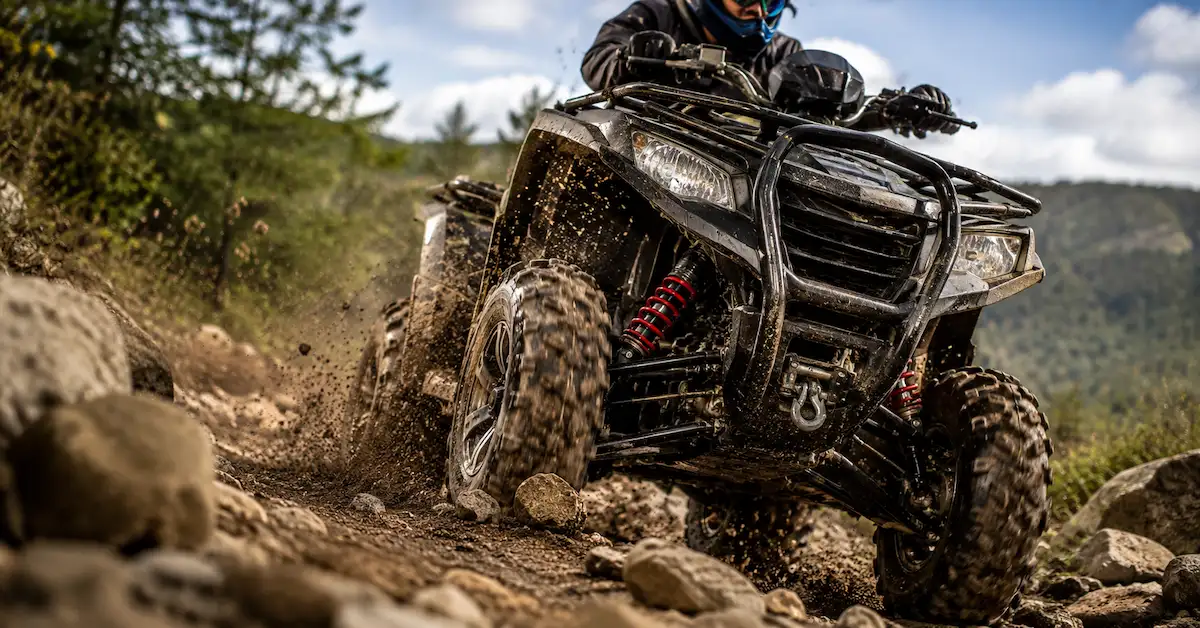
Off-Road Vehicles: Reinforced coils designed for large suspension travel and shock absorption.
-
Trucks and Utility Vehicles: Heavy-load springs that maintain ride height under constant stress.
-
Electric Vehicles: Progressive-rate springs that balance torque response and battery weight distribution.
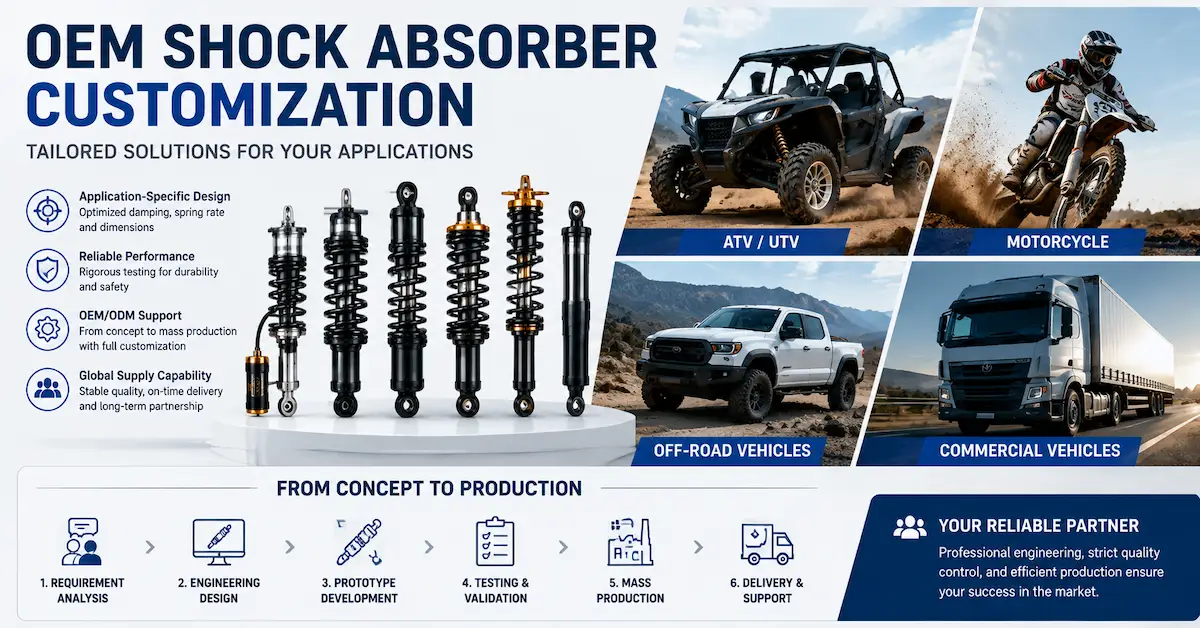
Bedo’s customization capabilities allow adaptation across all these use cases, including OEM batch production and aftermarket tuning kits, supported by simulation-based design for predictable damping response.
Selection Guidelines: Choosing the Right Coil Spring Specification
Choosing a coil spring involves more than wire diameter—it’s an engineering decision that defines handling stability and product lifespan.
Recommended Specifications by Application
| Vehicle Type | Spring Characteristic | Performance Goal |
|---|---|---|
| Street Motorcycles | Medium stiffness, compact pitch | Balanced comfort and agility |
| Racing Bikes | High tensile alloy, progressive rate | Rapid rebound and track control |
| Utility Motorcycles | Heavy-duty spring wire (≥10 mm) | Durability under constant load |
| Electric Scooters | Lightweight coil, low-friction surface | Energy efficiency and minimal vibration |
| ATVs | Dual-rate coils with reinforced seats | Enhanced traction and off-road control |
Additional Considerations for Buyers:
-
Request fatigue life certifications and tensile strength reports.
-
Verify salt spray and corrosion resistance testing for long-term environments.
-
Evaluate suppliers based on custom tooling flexibility and batch consistency.
-
Ensure traceable production codes for quality assurance across OEM programs.
Industry Q&A: Key Insights from OEM Clients
Q1: How does Bedo ensure spring consistency across large-volume production?
All Bedo coil springs are produced using servo-controlled CNC coiling machines with real-time tension monitoring, ensuring identical performance across batches.
Q2: Can Bedo customize coil stiffness or geometry for different motorcycle brands?
Yes. Our engineering team collaborates directly with OEM partners to optimize pitch angle, load rate, and coating thickness per design requirement.
Q3: What validation tests are performed before shipment?
Each production lot undergoes fatigue testing, tensile strength measurement, and thermal cycling to simulate 100,000+ real-world load scenarios.
Q4: Does Bedo provide small-batch development for new prototypes?
Yes, Bedo supports low-volume prototype coiling and laboratory verification, ideal for R&D and brand testing phases.
The Engineering Backbone of Suspension Systems
Every stable ride begins with a perfectly tuned coil spring.
From metallurgy to machining, precision defines performance—and only manufacturers that understand both the science and application can deliver lasting reliability.
Bedo’s coil spring production integrates CNC forming, automated heat treatment, and ISO/TS16949-certified quality control to meet the world’s toughest OEM demands.
We continue to refine spring technology that supports the future of electric, off-road, and high-performance mobility.
Explore our complete range of coil spring solutions at Bedo’s homepage or connect with us through the contact page for tailored manufacturing support.