
Mastering Rough Terrain: How Rear Hydraulic Shocks Transform ATV Stability
Why Terrain Demands More Than Power
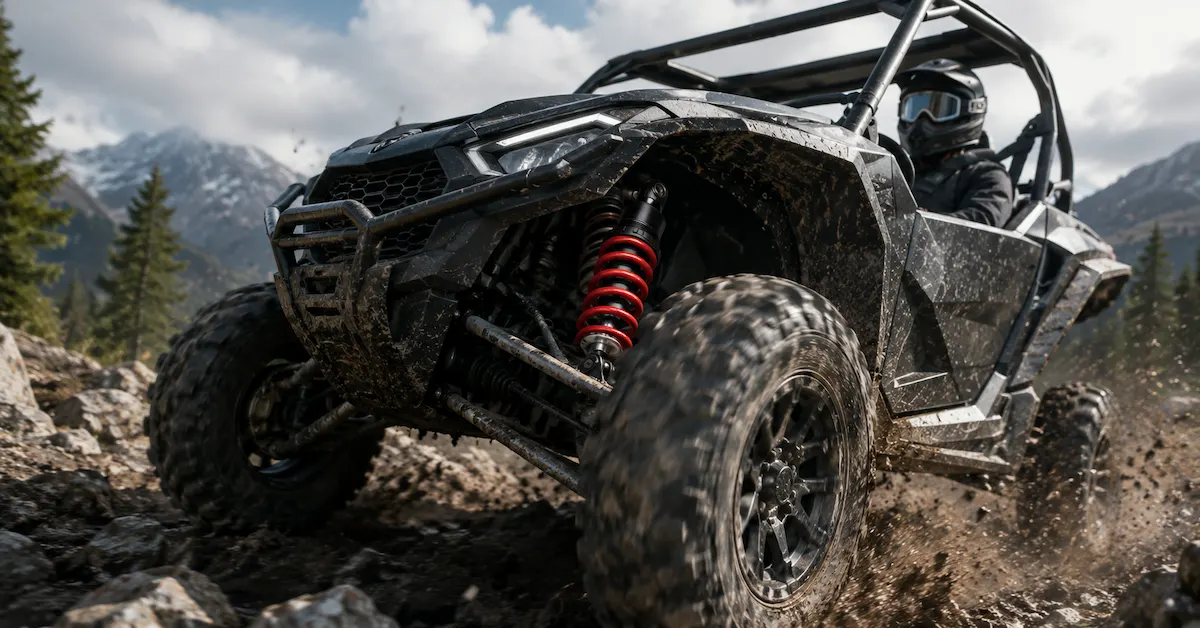
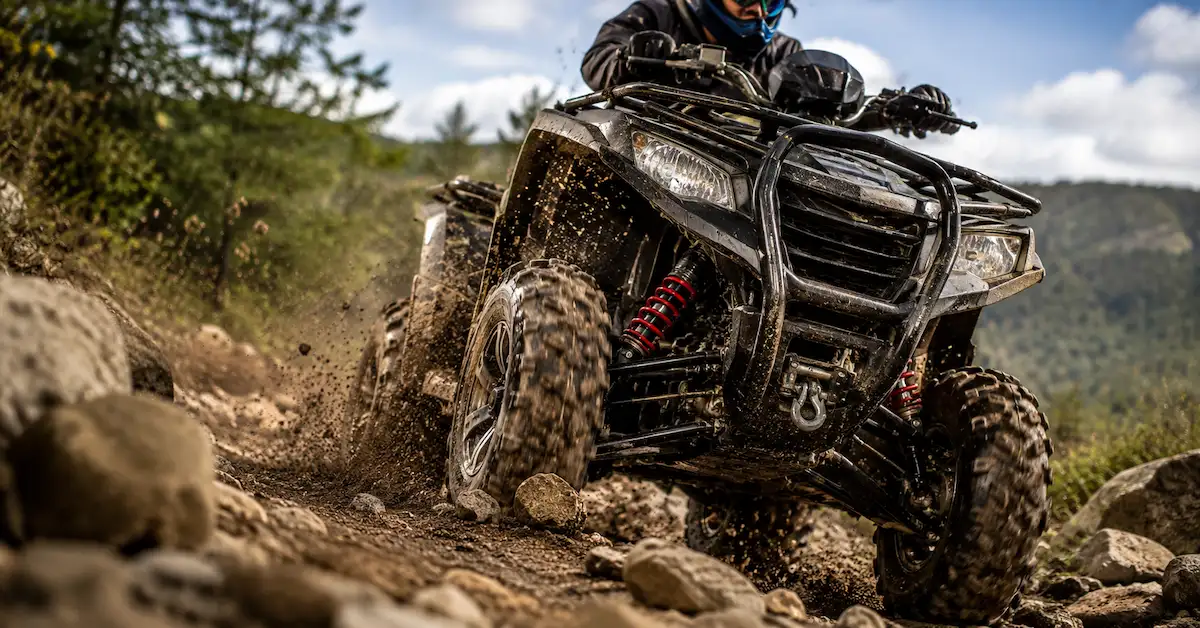
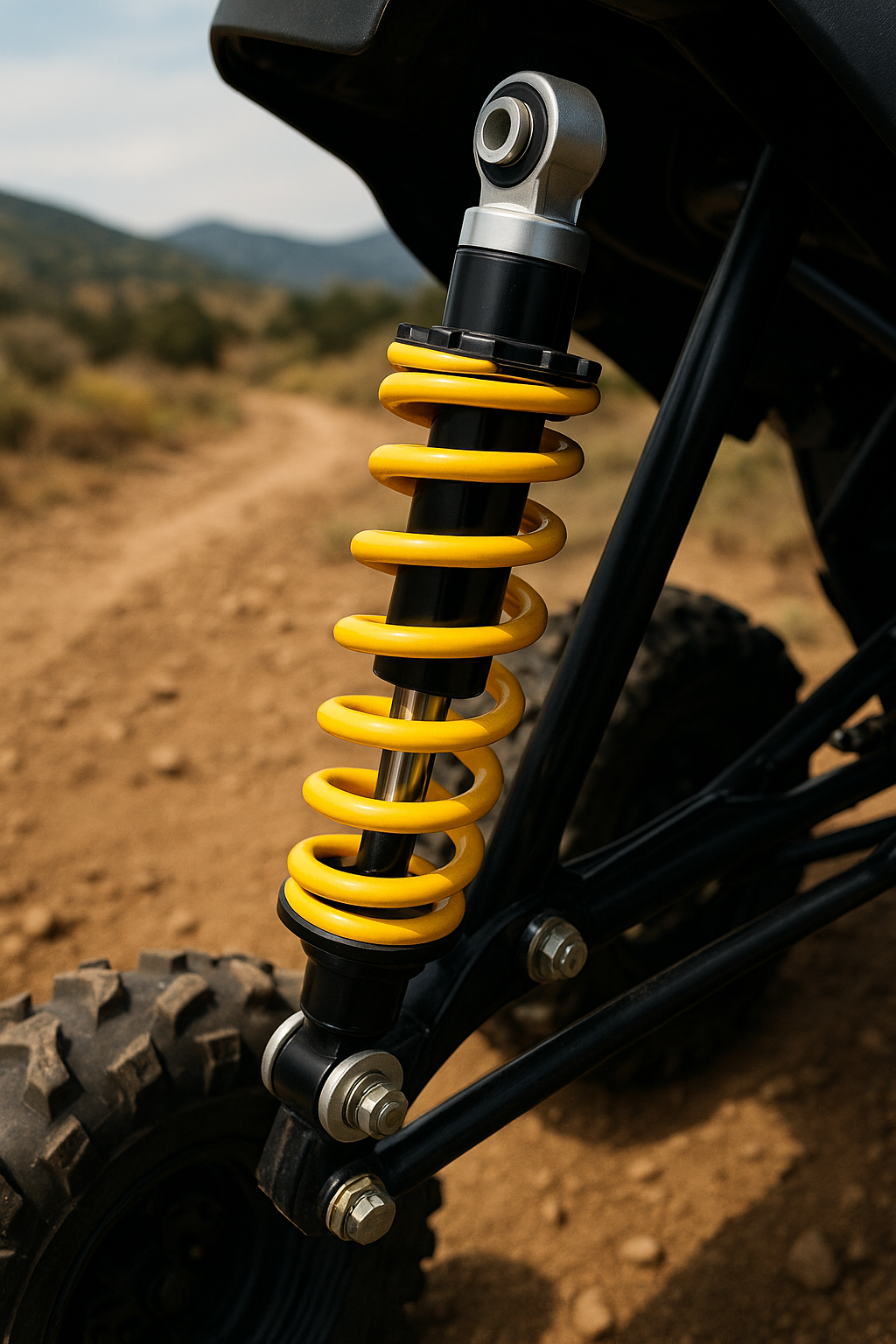
ATVs are engineered to perform in environments where standard vehicles fail—mud, snow, gravel, and steep inclines. While powerful drivetrains and wide tires play their part, suspension often decides whether performance translates into control. Conventional spring systems, designed decades ago, cannot fully address the torque surges and unpredictable terrain of modern ATVs. Over time, vibration fatigue, structural stress, and inconsistent traction compromise both rider safety and vehicle reliability. By contrast, an ATV rear hydraulic shock absorber turns extreme conditions into manageable motion, creating stability where it matters most.
Engineering the Hydraulic Advantage
The principle of hydraulic suspension lies in its ability to absorb and redistribute energy. For ATVs, this means adapting instantly to the unpredictable demands of off-road riding.
-
Dynamic Oil Flow: Pressurized hydraulic fluid passes through multi-stage valves, smoothing sharp impacts without transmitting shock to the rider.
-
Progressive Response: Slow-speed oscillations such as rolling over gravel are damped differently than sudden drops or jumps, ensuring balance in both cases.
-
Contaminant Resistance: Protective seals prevent mud, water, and dust from entering the chamber, maintaining consistency over thousands of cycles.
-
Load Versatility: Rear dampers are calibrated to handle single riders, passengers, or cargo without compromising traction.
These features provide riders with confidence across terrains that would overwhelm conventional systems.
Standard vs. Hydraulic
| Feature | Standard Spring Units | Rear Hydraulic Shocks (ATVs) |
|---|---|---|
| Damping Response | Inconsistent, harsh on rough trails | Smooth, adaptive to terrain changes |
| Vibration Control | Transfers energy to frame | Controlled dissipation reduces fatigue |
| Load Handling | Struggles with cargo/passengers | Stable performance under heavy loads |
| Durability | Shorter lifespan in off-road use | Sealed systems tested for harsh conditions |
| Rider Experience | Basic, functional only | Balanced comfort, safety, and control |
Operational Value Beyond Comfort
For off-road machines, suspension refinement is more than a luxury—it is a practical advantage:
-
Safety Enhancement: With consistent tire-road contact, braking and steering precision improve, reducing accident risk on unstable surfaces.
-
Extended Vehicle Life: Reduced vibration stress protects chassis welds, steering joints, and even electrical components.
-
Economic Efficiency: Longer service intervals and fewer part replacements lower total ownership cost.
-
Rider Endurance: Comfort reduces fatigue, enabling longer, more productive or enjoyable riding sessions.
Where Rear Hydraulic Shocks Make the Difference
-
Agricultural and Utility Use: Fields, forests, and uneven worksites place unique strain on ATVs. Hydraulic suspension enables stable transport of tools, feed, or equipment.
-
Recreational Trails: Sand dunes, rocky mountain paths, and muddy tracks are navigated with greater confidence and comfort.
-
Tourism and Commercial Operations: Adventure parks and off-road tours require suspension that minimizes breakdowns and maximizes customer experience.
-
Cold and Wet Environments: Snow, ice, and standing water demand corrosion resistance and dependable damping to maintain traction.
Industry Questions Answered
-
Does hydraulic suspension increase ATV weight?
Only slightly, and the trade-off results in significantly better stability and durability. -
Can older models be upgraded?
Yes. Retrofit kits make it possible to integrate hydraulic dampers into many existing ATVs. -
Are hydraulic systems maintenance-heavy?
No. Modern sealing materials and corrosion-resistant finishes extend intervals between servicing. -
What standards confirm quality?
ISO fatigue benchmarks, ASTM corrosion tests, and off-road endurance trials validate performance and global compliance.
Bedo’s Approach to Suspension Excellence
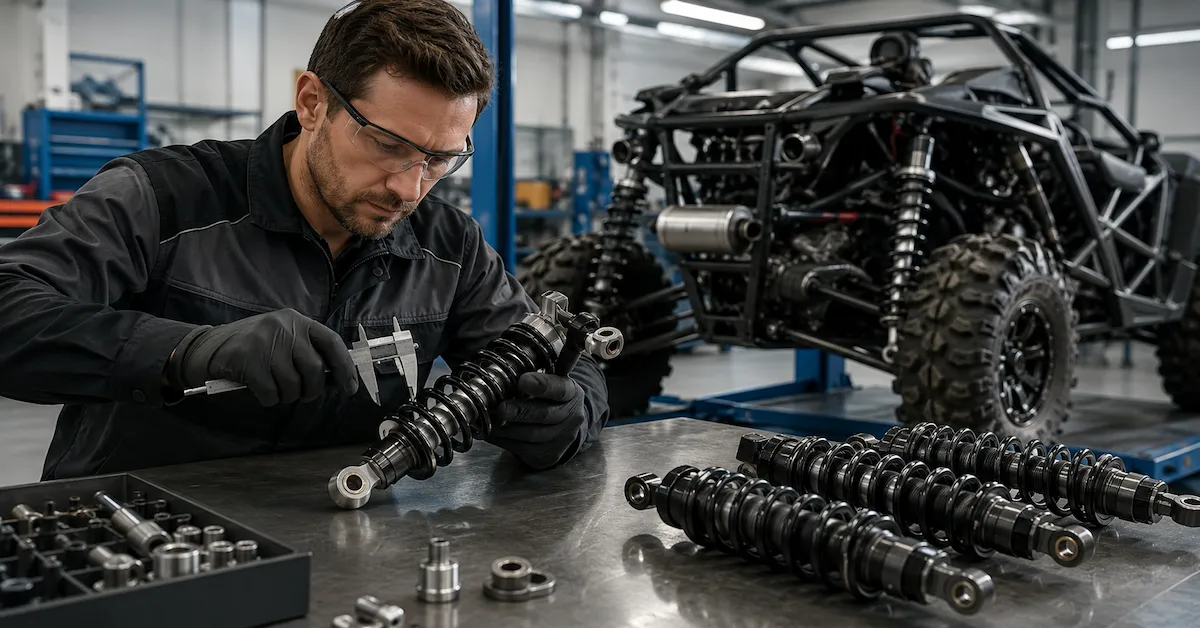
At Bedo, suspension systems are developed with a clear focus on real-world terrain. Each rear hydraulic shock is validated through endurance testing, corrosion resistance trials, and NVH (Noise, Vibration, Harshness) evaluations. The result is equipment designed not only for smooth riding but also for the strategic demands of utility, recreation, and commercial operations.
Explore more about Bedo’s engineering approach and full product portfolio on our homepage or reach our team through the contact page.