
How Can I Verify Whether a China Shock Absorber Supplier Is a Real Factory?
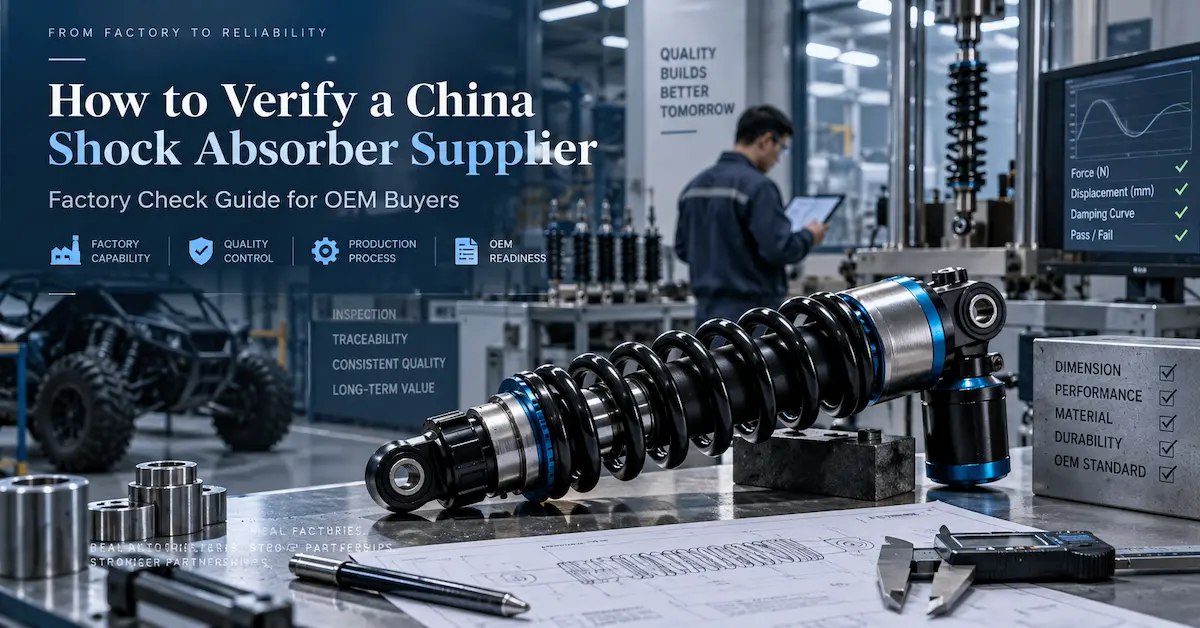
When sourcing ATV, UTV, and off-road suspension products, verifying whether a China shock absorber supplier is a real factory is an important step before placing development orders or long-term production contracts.
A supplier website, product catalog, and quotation do not always show the complete manufacturing capability behind the company. For OEM buyers, the key question is not only:
“Can this supplier provide a shock absorber?”
The more important question is:
“Can this supplier control engineering, production, quality, and repeat manufacturing?”
A real factory should be able to demonstrate its capabilities through:
- engineering support;
- production processes;
- prototype development;
- testing procedures;
- quality control;
- manufacturing consistency;
- communication transparency.
For OEM projects, choosing the right supplier can directly influence product performance, development efficiency, and future supply stability.
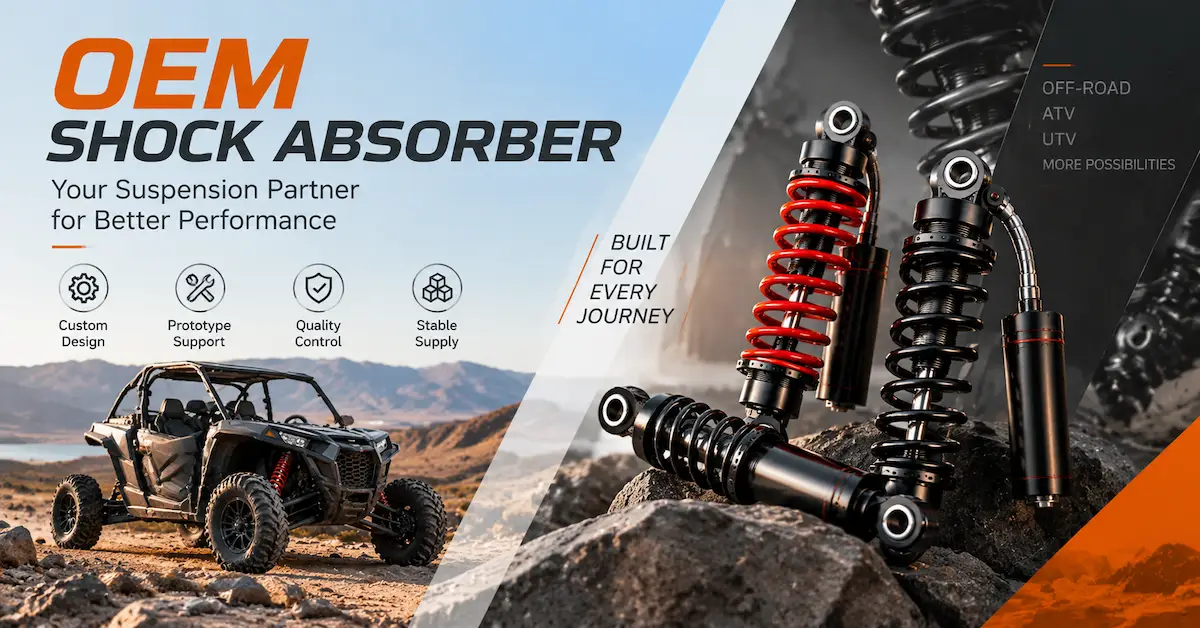
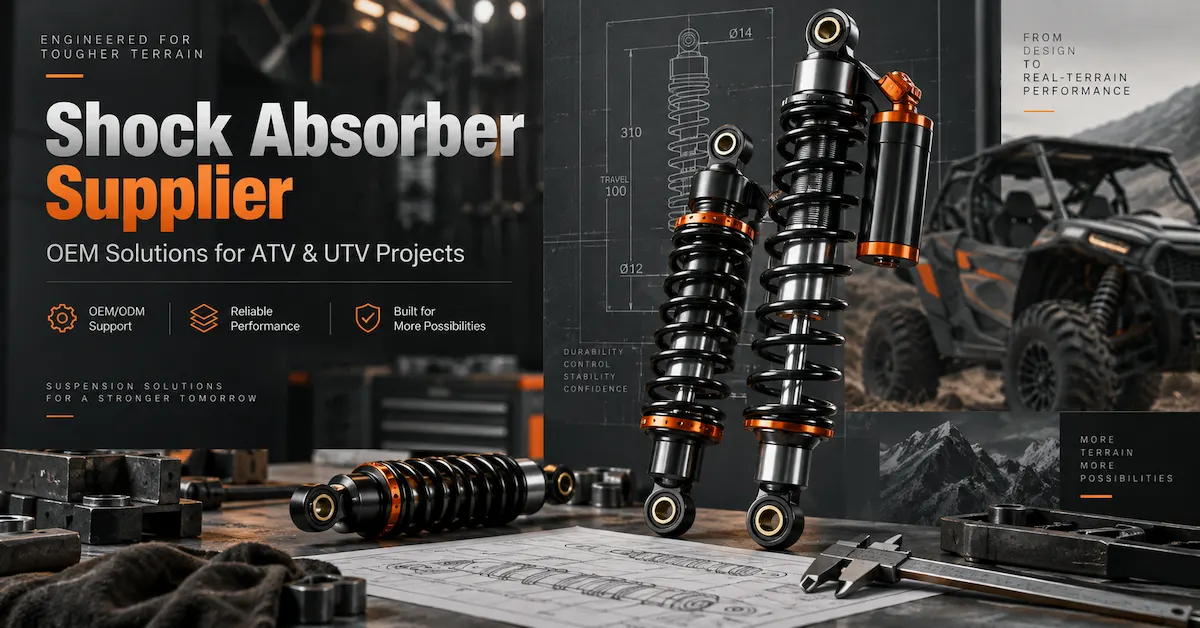
BEDO provides ATV and off-road suspension solutions, including shock absorbers and suspension springs. Buyers can review the available shock absorber products to understand different suspension configurations.
Why Verifying a Shock Absorber Factory Matters
Suspension products are not simple standardized components.
A shock absorber affects:
- vehicle comfort;
- suspension control;
- load support;
- off-road performance;
- long-term reliability.
For OEM buyers, selecting an unsuitable supplier can lead to:
- incorrect prototypes;
- inconsistent production;
- repeated revisions;
- delayed launches;
- quality problems.
A real manufacturing partner should have the ability to support the complete process:
Requirement Analysis → Engineering → Prototype → Testing → Production → Quality Control
A supplier that only acts as a trading company may not have direct control over these stages.
Check Whether the Supplier Has Real Engineering Capability
One of the strongest indicators of a real factory is engineering capability.
A professional shock absorber manufacturer should understand:
- suspension structure;
- shock dimensions;
- spring selection;
- damping requirements;
- vehicle load;
- application conditions.
Ask the supplier:
- Can you review drawings?
- Can you analyze samples?
- Can you recommend suspension solutions?
- Can you support custom development?
- Can you manage design revisions?
A factory supporting OEM projects should not only provide prices. It should participate in technical discussions.
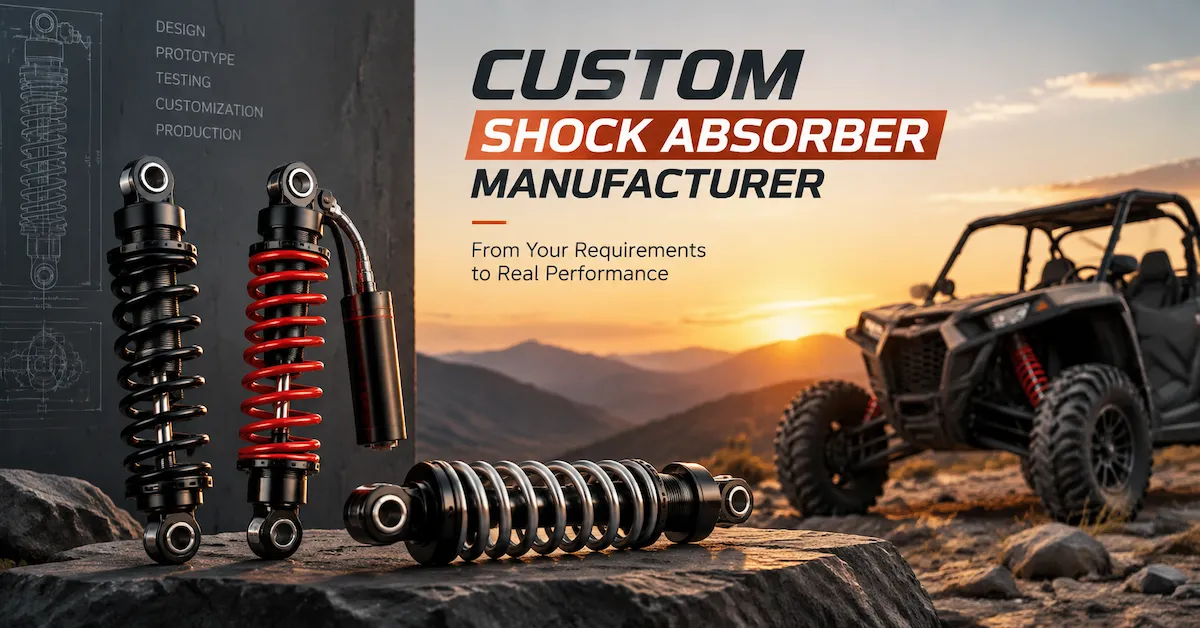
BEDO’s custom shock absorber development process explains how suspension projects can begin from vehicle requirements, drawings, samples, and performance targets.
Verify Whether the Supplier Controls Production or Outsources Everything
A real factory should be able to explain its manufacturing process.
Ask about:
- machining;
- assembly;
- spring installation;
- damping setup;
- inspection;
- testing;
- packaging.
The purpose is not that every single component must be produced internally.
Many manufacturers use qualified suppliers for certain components. However, the factory should understand and control:
- specifications;
- incoming quality;
- assembly requirements;
- final inspection.
A supplier that cannot explain where and how the product is manufactured may create additional risk.
Review Factory Production Information Carefully
When evaluating a China shock absorber supplier, review available production information.
Useful questions include:
Production Capability
Ask:
- What suspension products do you manufacture?
- Which vehicle applications do you support?
- Do you produce standard or custom products?
- Can you support OEM projects?
Manufacturing Process
Ask:
- How are components inspected?
- How are assembly processes controlled?
- How are product changes managed?
Production Consistency
Ask:
- How is the approved sample transferred into production?
- How are repeat orders controlled?
- How are specifications recorded?
A real factory should be able to explain the relationship between prototype approval and mass production.
Check Whether the Supplier Supports Custom Suspension Development
Many OEM buyers need more than existing catalog products.
Custom projects may involve:
- shock length changes;
- mounting modifications;
- spring rate adjustment;
- damping customization;
- reservoir options;
- private-label requirements.
A real suspension factory should be able to explain whether a project requires:
- standard product selection;
- modified existing platform;
- full custom development.
BEDO’s shock absorber customization guide explains different levels of suspension customization.
Ask the supplier:
- Can you develop from samples?
- Can you modify existing products?
- Can you support prototype testing?
- Can you provide engineering recommendations?
Verify Prototype Development Experience
Prototype capability is an important factory-verification point.
A real OEM suspension manufacturer should understand prototype stages:
Requirement Review
Confirm:
- vehicle information;
- drawings;
- samples;
- technical requirements.
Prototype Manufacturing
Produce samples according to the approved specification.
Testing and Feedback
Evaluate:
- fitment;
- dimensions;
- suspension behavior;
- required performance.
Revision
Modify the product based on test results.
Production Approval
Confirm the final production specification.
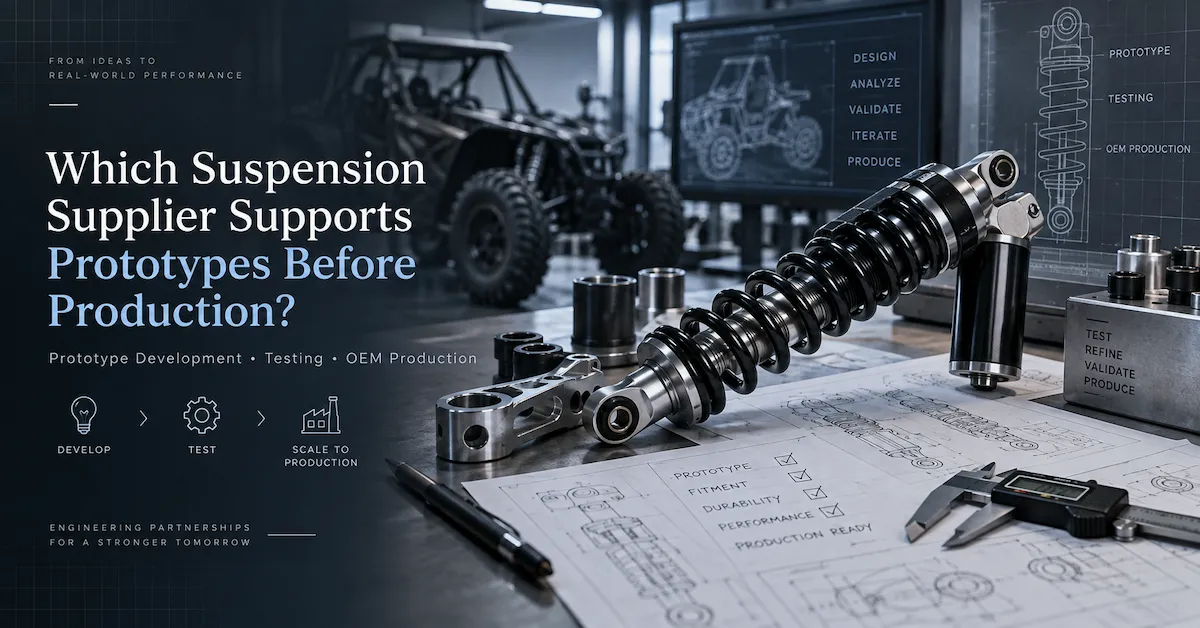
BEDO’s prototype shock absorber development guide explains why prototypes are important before mass production.
Check Testing Capability Instead of Only Factory Claims
A real factory should have a clear quality-validation process.
Ask about:
- dimensional inspection;
- leakage testing;
- damping verification;
- spring inspection;
- prototype validation;
- production inspection.
BEDO’s shock absorber testing guide explains different validation areas for suspension products.
Good questions include:
- What tests are performed?
- When are tests performed?
- Are prototype tests different from production tests?
- How are test results recorded?
A supplier should be able to explain how testing supports product consistency.
Evaluate the Supplier’s Knowledge of Spring and Damping
A real suspension factory should understand that shock absorbers are part of a complete system.
Spring and damping affect:
- ride height;
- suspension travel;
- load support;
- vehicle control.
Ask whether the supplier can discuss:
- spring rate;
- preload;
- compression damping;
- rebound damping;
- application requirements.
BEDO’s custom spring rate guide explains why spring selection should match vehicle load and suspension requirements.
BEDO’s compression and rebound damping customization guide explains how damping development should be based on application needs.
A supplier that cannot discuss these areas may not have sufficient suspension engineering depth.
Check Whether the Factory Understands OEM Requirements
OEM customers need more than production.
They usually require:
- technical communication;
- sample approval;
- revision control;
- stable repeat orders;
- consistent specifications.
A reliable supplier should understand:
- approved drawings;
- production samples;
- specification control;
- engineering changes;
- quality feedback.
The factory should be able to explain how it manages the transition:
Prototype → Approval → Mass Production
Verify Communication Quality During the RFQ Stage
The quotation process itself can reveal supplier capability.
A professional supplier should ask questions about:
- vehicle application;
- dimensions;
- load;
- usage environment;
- performance requirements.
Be cautious if a supplier immediately provides a price without understanding the project.
A detailed technical discussion usually indicates that the supplier is evaluating the application rather than simply selling an existing product.
BEDO’s OEM suspension RFQ guide explains what buyers should prepare before requesting accurate quotations.
Ask for Evidence Instead of Only Marketing Information
When verifying a factory, request practical information.
Examples include:
- product drawings;
- sample photos;
- manufacturing process information;
- testing examples;
- prototype cases;
- quality-control explanation.
The purpose is not to request confidential information. It is to understand whether the supplier has real experience supporting similar projects.
Compare Factory Capability Before Comparing Prices
A common sourcing mistake is selecting a supplier based only on quotation price.
A better comparison includes:
| Evaluation Area | Questions |
|---|---|
| Engineering | Can they support development? |
| Manufacturing | Do they control production processes? |
| Customization | Can they modify suspension systems? |
| Prototype | Can they develop samples? |
| Testing | Are quality checks defined? |
| Communication | Are technical discussions effective? |
| Production | Can they support repeat orders? |
The lowest quotation may not represent the lowest project risk.
Check Whether the Supplier Can Support Long-Term Production
A real factory should think beyond the first order.
Long-term cooperation requires:
- stable specifications;
- consistent quality;
- production planning;
- engineering support;
- future product updates.
Ask:
- Can you support repeat orders?
- How are design changes controlled?
- How are replacement parts managed?
- Can you support future models?
This is especially important for:
- aftermarket brands;
- distributors;
- vehicle manufacturers.
Review MOQ and Lead-Time Information Carefully
MOQ and lead time can also reveal supplier experience.
Ask suppliers to separate:
- prototype quantity;
- pilot quantity;
- production MOQ;
- repeat order quantity.
BEDO’s custom shock absorber MOQ guide explains why MOQ depends on customization level, components, and production requirements.
Lead time should also be separated into:
- engineering review;
- prototype production;
- testing;
- revision;
- production preparation.
BEDO’s custom shock development lead time guide provides related planning information.
Common Warning Signs When Selecting a Shock Absorber Supplier
Pay attention when a supplier:
Cannot Explain the Product Structure
A manufacturer should understand its own suspension products.
Avoids Technical Questions
OEM projects require technical communication.
Provides Only Generic Product Photos
Real manufacturers should be able to explain applications and processes.
Cannot Define Testing
Quality should not rely only on statements such as “high quality.”
Cannot Explain Custom Development
A factory supporting OEM work should understand engineering changes.
Focuses Only on Price
A reliable partner should discuss specifications and requirements first.
What Information Should Buyers Prepare Before Factory Verification?
Prepare:
| Information | Purpose |
|---|---|
| Vehicle model | Defines application |
| Suspension position | Defines product requirements |
| Existing shock | Provides reference |
| Dimensions | Confirms fitment |
| Vehicle weight | Supports spring selection |
| Rider/cargo load | Defines working conditions |
| Terrain | Defines performance requirements |
| Drawings/CAD | Supports engineering review |
| Prototype requirements | Defines development scope |
| Production forecast | Supports planning |
Providing complete information helps determine whether the supplier can actually support the project.
Frequently Asked Questions
1. How Can I Verify a China Shock Absorber Supplier Is a Real Factory?
Evaluate engineering capability, production knowledge, prototype experience, testing processes, quality control, and communication ability.
2. Should I Visit the Factory Before Cooperation?
A factory visit can provide useful information about production capability, but technical communication, samples, and process understanding are also important evaluation methods.
3. Can a Trading Company Provide Good Suspension Products?
Some trading companies may work with reliable manufacturers, but buyers should understand who controls engineering, production, and quality responsibilities.
4. What Should a Real Shock Absorber Factory Be Able to Explain?
A real factory should explain product structure, manufacturing process, testing, customization options, and production control.
5. How Do I Check If a Supplier Supports OEM Development?
Ask about drawings, prototypes, engineering changes, testing procedures, and previous custom-development experience.
6. Can a Factory Develop Suspension Products From Samples?
Yes, samples can provide references, but the supplier also needs vehicle information and performance requirements.
7. What Is More Important: Factory Size or Engineering Ability?
Both matter, but for custom suspension projects, engineering capability and production control are especially important.
8. How Do I Evaluate Suspension Quality Before Mass Production?
Review prototypes, testing methods, inspection procedures, and production approval processes.
9. Can a China Shock Absorber Supplier Support Small Development Orders?
Many OEM projects begin with prototypes or smaller quantities before moving to larger production.
10. What Information Should I Send BEDO Before Starting a Project?
Provide vehicle information, drawings or samples, load conditions, performance requirements, expected quantities, and customization goals through BEDO Contact Us.
Conclusion
Verifying whether a China shock absorber supplier is a real factory requires looking beyond websites, prices, and product catalogs. A reliable suspension manufacturer should demonstrate engineering capability, customization experience, prototype development ability, testing processes, production control, and clear technical communication. For OEM ATV, UTV, and off-road suspension projects, the right supplier should support the complete process from requirement analysis to validated production. BEDO provides suspension solutions including shock absorbers and springs for customized off-road applications. To evaluate your project, contact BEDO with your vehicle information, drawings, samples, load requirements, and production plans to discuss the appropriate suspension development solution.