宁波贝多汽车零部件有限公司

+86 13123836189

多用途车悬架供应商:面向全球买家的 OEM 开发指南

Posted by NingboBEDO On Jul 27 2026

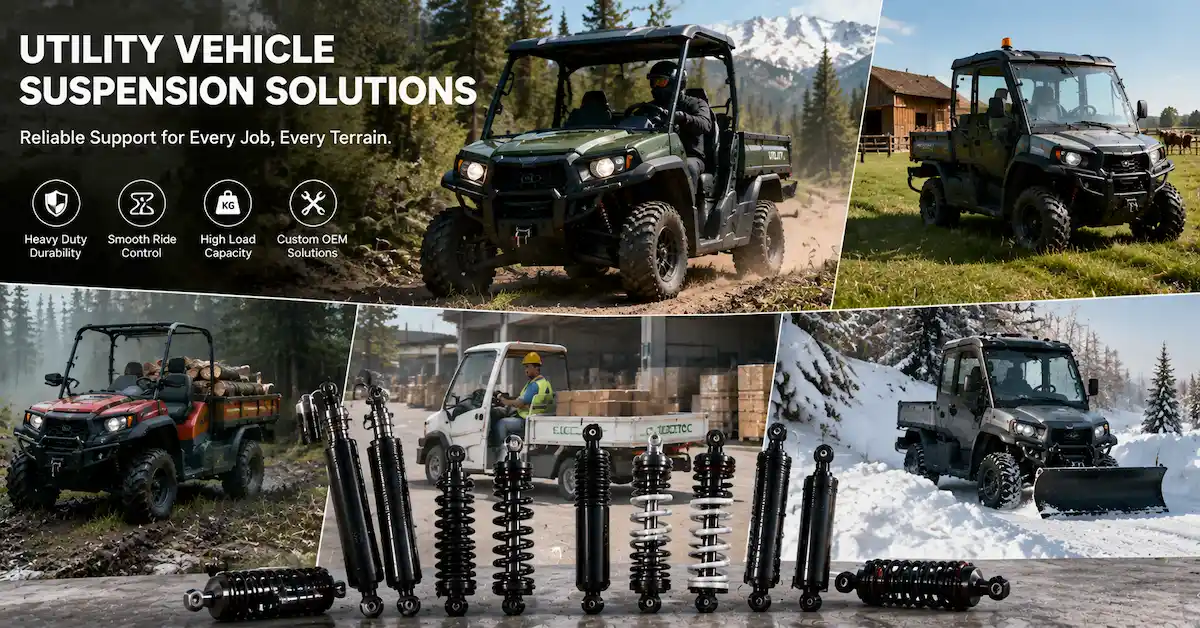
选择合适的多用途车悬架供应商对于制造商、工程公司、分销商、车队运营商和售后品牌开发适用于苛刻工作环境的车辆至关重要。

与标准乘用车不同,多用途车是围绕特定任务而设计的。他们可以运输货物、在农场经营、支持工业工作、搬运设备或在充满挑战的环境中执行专门操作。

这些车辆经常遇到:

  • 重负载
  • 重量分布不均匀
  • 营业时间长
  • 低速连续移动
  • 崎岖地形
  • 天气原因
  • 频繁的暂停周期

由于这些条件,悬架组件必须提供可靠的负载支撑、稳定的操控、耐用性和较长的使用寿命。

专业的供应商不仅仅提供标准的减震器。在开发正确的悬架解决方案之前,它会评估整个车辆应用,包括重量、有效负载、地形、悬架几何形状和操作条件。

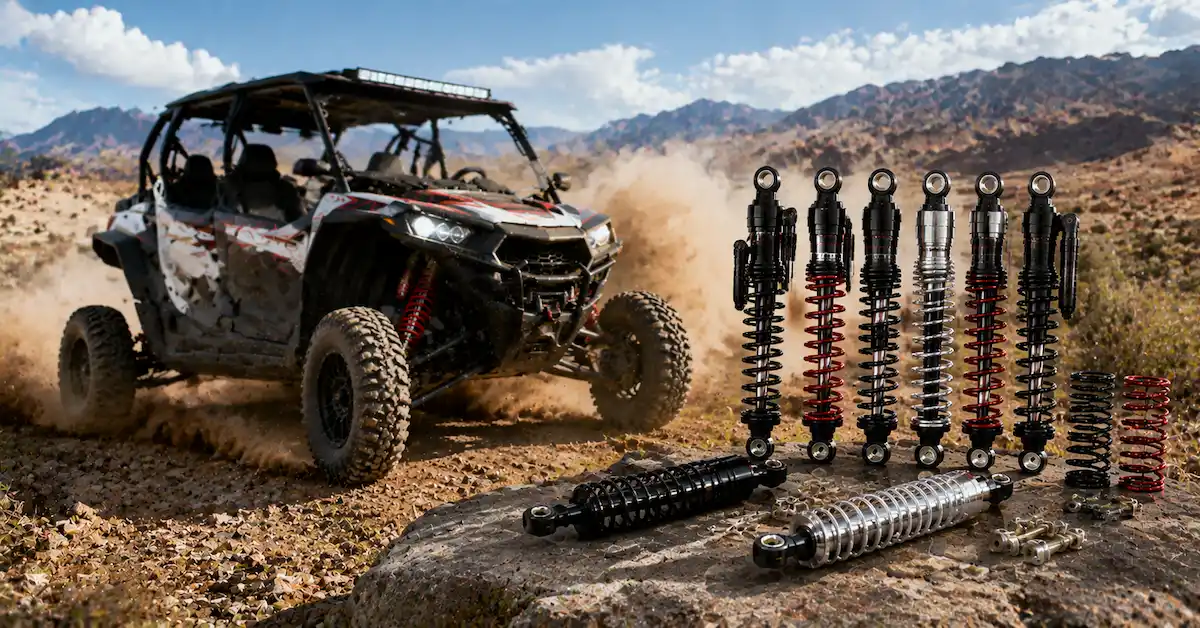
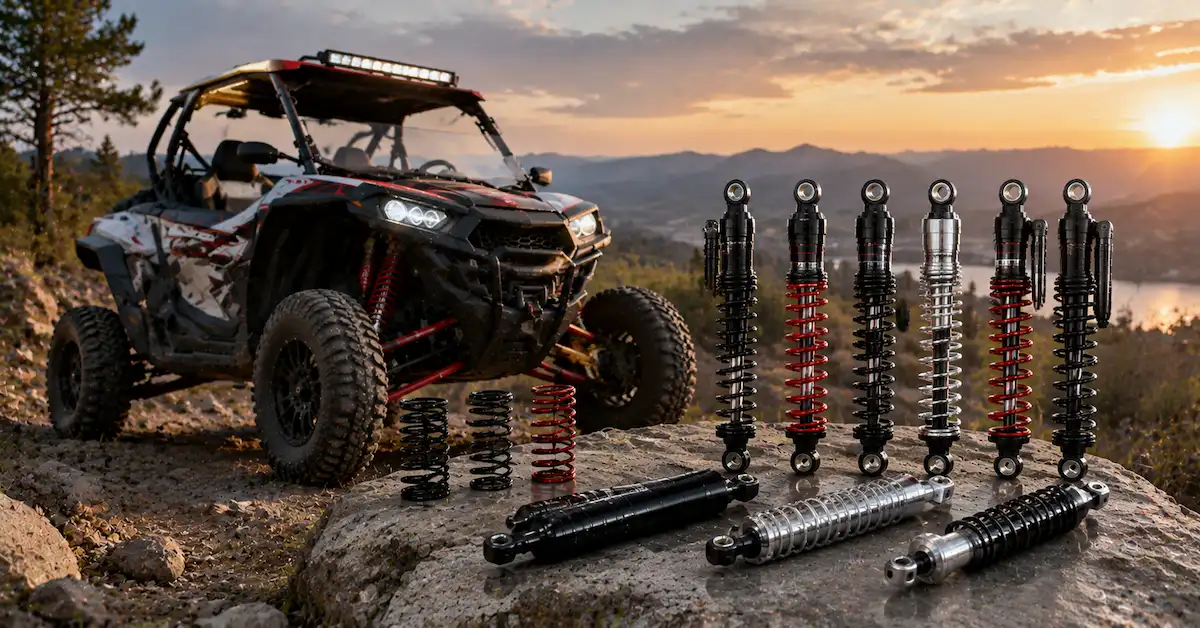
Bedo Auto 为 ATV、UTV、多用途车、摩托车、电动汽车和特种应用提供定制悬架组件,包括减震器和螺旋弹簧。

多用途车悬架供应商

多用途车悬架供应商提供什么?

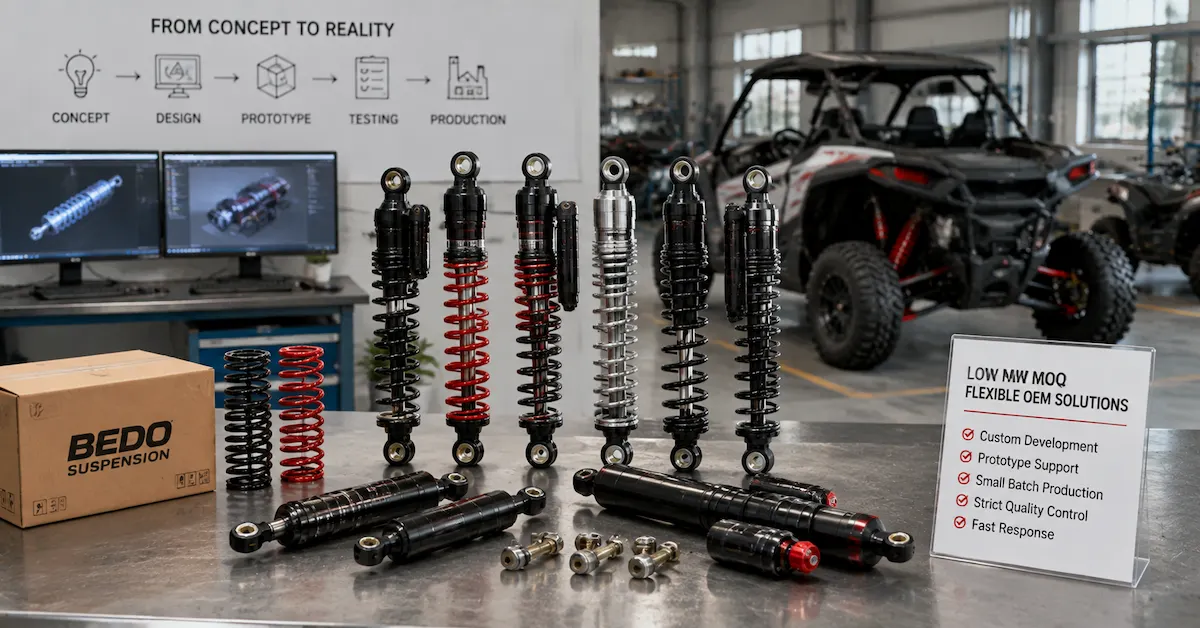
专业的多用途车悬架供应商可以支持从概念到生产的完整悬架开发。

典型产品和服务包括:

完整的暂停解决方案可能包括:

  • 前悬架组件
  • 后悬架组件
  • 减震器
  • 弹簧
  • 套管
  • 安装硬件
  • 调整系统

不同的多用途车辆需要不同的悬架策略。

农用车辆可以优先考虑负载支持。电动多功能车可能需要根据电池重量设计悬架。工业车辆可能需要连续运行下的耐用性。

需要定制多用途车悬架的应用

多用途车涵盖广泛的行业。

常见应用包括:

农用车辆

农用车辆运行于:

  • 字段
  • 土路
  • 耕地不平坦
  • 泥泞环境
  • 暂停要求包括:

    • 重负载支持
    • 耐腐蚀
    • 运营周期长
    • 稳定的低速性能

    电动多用途车

    电动多功能车带来了额外的挑战:

    • 电池重量更高
    • 不同的权重分布
    • 车辆总质量增加
    • 商业运营要求

    悬架系统必须能够承受电池负载,同时保持舒适性和稳定性。

    工业运输车辆

    工业车辆可在以下地区运行:

  • 仓库
  • 施工区域
  • 工厂环境
  • 维护设施
  • 重要的暂停因素包括:

  • 可靠性
  • 低维护成本
  • 负载能力
  • 组件耐用性
  • 特种车辆

    示例包括:

  • 巡逻车
  • 救援车辆
  • 维修车辆
  • 机场车辆
  • 雪地车辆
  • 定制越野车
  • 每个应用程序需要不同的暂停参数。

    为什么多用途车需要定制悬架开发

    标准悬架产品通常专为一般应用而设计。

    多用途车辆通常需要不同的规格,因为:

    • 更高的负载
    • 重心不同
    • 其他设备
    • 持续运行
    • 自定义机箱设计
    • 特殊安装位置

    不正确的暂停选择可能会导致:

    • 过度下垂
    • 离地间隙减小
    • 频繁触底
    • 处理不当
    • 振动增加
    • 组件磨损更快
    • 减少轮胎接触
    • 使用寿命更短

    专业供应商应在推荐悬架组件之前对车辆进行分析。

    买家应提供的关键信息

    成功的 OEM 悬架项目需要准确的技术信息。

    产品/服务 目的
    减震器 控制压缩和回弹运动
    螺旋弹簧 支持车辆和有效负载重量
    重型悬架系统 提高高要求负载下的耐用性
    自定义安装组件 匹配车辆安装要求
    储层冲击解决方案 改善热量管理
    可调悬架 支持不同的负载条件
    原型开发 在生产前验证设计
    OEM 制造 提供长期供应
    私人标签 支持品牌发展

    买家还应说明目标:

  • 增加负载能力
  • 提高乘坐舒适度
  • 减少维护
  • 延长使用寿命
  • 更换停产部件
  • 开发新的车辆平台
  • 创建售后升级
  • 多用途车减震器开发

    减震器是控制悬架运动的核心部件。

    重要规范包括:

    • 冲击长度
    • 中风
    • 活塞直径
    • 杆直径
    • 油容量
    • 阀门设计
    • 压缩阻尼
    • 回弹阻尼
    • 安装结构
    • 水库配置

    多用途车辆通常需要更强的阻尼控制,因为它们在不断变化的负载下运行。

    例如:

    货车满载时可能需要更强的后悬架支撑。

    空车可能需要足够的合规性才能保持舒适。

    供应商必须平衡:

  • 加载支持
  • 乘坐舒适度
  • 稳定性
  • 悬架行程
  • 耐用性
  • 公用事业应用的弹簧刚度选择

    螺旋弹簧支撑完整的操作负载。

    这包括:

  • 车辆结构
  • 驱动程序
  • 乘客
  • 货物
  • 电池
  • 工具
  • 设备
  • 配件
  • 弹簧刚度影响:

    • 行驶高度
    • 悬架下垂
    • 离地间隙
    • 触底阻力
    • 负载能力
    • 舒适

    弹簧太软可能会导致:

  • 过度下垂
  • 货物支持较差
  • 减少间隙
  • 频繁触底
  • 弹簧太硬可能会导致:

  • 严酷操作
  • 减少轮胎接触
  • 振动增加
  • 舒适度较差
  • 正确的弹簧应根据以下条件开发:

    • 车辆重量
    • 有效负载范围
    • 轴负载
    • 悬架几何结构
    • 地形
    • 占空比

    压缩和回弹阻尼

    弹簧承载负载,而阻尼控制运动。

    压缩阻尼

    压缩阻尼控制悬架响应:

    • 加载更改
    • 道路影响
    • 制动
    • 加速
    • 崎岖地形

    压缩阻尼不足可能会导致:

    • 移动过多
    • 触底
    • 负载控制不佳

    压缩阻尼过多可能会导致:

  • 严重影响
  • 舒适度降低
  • 坐骑承受的压力更大
  • 回弹阻尼

    回弹阻尼控制压缩后的悬架恢复。

    回弹阻尼太小可能会导致:

    • 弹跳
    • 稳定性较差
    • 减少轮胎接触

    回弹阻尼太大可能会导致:

    • 恢复缓慢
    • 减少出行
    • 重复颠簸时性能较差

    专业的多用途车悬架供应商应将弹簧和阻尼特性匹配在一起。

    固定和可调悬架解决方案

    多用途车辆可以使用固定或可调悬架系统。

    信息 为什么重要
    车辆类型 定义暂停应用
    车辆重量 确定基本负载要求
    最大负载 定义弹簧和阻尼需求
    前/后轴负载 帮助平衡悬架性能
    运行环境 定义耐久性要求
    车速 影响阻尼设计
    占空比 确定组件强度
    减震器安装位置 确认安装结构
    扩展长度 定义冲击大小
    压缩长度 防止干扰
    行程 定义悬架运动
    安装尺寸 确保安装
    现有示例 支持开发
    技术绘图 定义制造要求
    生产数量 支持规划

    可调整选项可能包括:

    • 预载调整
    • 反弹调整
    • 压缩调整
    • 减震长度调整

    当车辆在不同的有效载荷条件下运行时,可调系统非常有用。

    重型悬挂注意事项

    重型实用应用程序需要额外注意:

    材料强度

    组件应该抵抗:

    • 重复影响
    • 疲劳
    • 弯曲
    • 磨损
    • 腐蚀

    热量管理

    长时间运行会产生热量。

    重要因素包括:

    • 油容量
    • 避震体尺寸
    • 水库设计
    • 阀门结构
    • 工作温度

    环境保护

    多用途车辆可能面临:

    • 泥土
    • 灰尘
    • 化学品
    • 盐暴露

    保护可能包括:

    • 改进的密封
    • 保护涂层
    • 耐腐蚀材料
    • 耐用的表面处理

    Sample-Based OEM Suspension Development

    Many projects begin with an existing suspension sample.

    A supplier can analyze:

    • Overall dimensions
    • Mounting structure
    • Spring specifications
    • Shock body
    • Rod diameter
    • Reservoir design
    • Surface treatment

    However, samples do not reveal:

    • Internal damping curves
    • Valve design
    • Oil specification
    • Gas pressure
    • Material grade

    For accurate development, buyers should provide:

    • Vehicle information
    • Load requirements
    • Operating conditions
    • Performance targets

    Drawing-Based Suspension Manufacturing

    Technical drawings provide precise manufacturing references.

    Important information includes:

    • Dimensions
    • Mounting positions
    • Stroke requirements
    • Material specifications
    • Surface treatment
    • Tolerances
    • Branding requirements

    Before production, engineers should verify:

    • Installation clearance
    • Structural strength
    • Suspension movement
    • Manufacturing feasibility
    • Component compatibility

    Quality Control in Suspension Manufacturing

    A reliable supplier should control every production stage.

    Material Inspection

    Check:

    • Metal materials
    • Springs
    • Seals
    • Bushings
    • Machined components

    Dimensional Inspection

    Verify:

    • Shock length
    • Stroke
    • Mounting width
    • Hole diameter
    • Spring dimensions

    Assembly Control

    Control:

    • Cleanliness
    • Seal installation
    • Oil filling
    • Gas charging
    • Torque requirements

    Performance Testing

    Testing may include:

    • Leakage testing
    • Compression testing
    • Rebound testing
    • Functional movement testing

    Final Inspection

    Final checks include:

    • Appearance
    • Dimensions
    • Labels
    • Packaging
    • Quantity

    Why Prototype and Small-Batch Testing Matter

    Before mass production, prototype validation helps confirm:

    • Vehicle fitment
    • Suspension movement
    • Load support
    • Ride height
    • Clearance
    • Durability

    Small-batch testing helps identify:

    • Production variation
    • Installation issues
    • Quality problems
    • Customer feedback

    This reduces risks before large-scale manufacturing.

    How to Choose a Utility Vehicle Suspension Supplier

    Buyers should evaluate:

    Engineering Capability

    Can the supplier:

    • Review drawings?
    • Analyze samples?
    • Develop suspension parameters?
    • Produce prototypes?

    Manufacturing Capability

    Does the supplier have:

    • Stable production processes?
    • Quality control systems?
    • Small-batch capability?
    • Mass production ability?

    Testing Capability

    Can the supplier verify:

    • Dimensions?
    • Leakage?
    • Damping?
    • Product consistency?

    Communication Capability

    A professional supplier should understand:

    • Vehicle purpose
    • Load conditions
    • Environment
    • Performance goals
    • Production requirements

    How Bedo Auto Supports Utility Vehicle Suspension Projects

    As a professional utility vehicle suspension supplier, Bedo Auto provides customized suspension solutions for:

    • Utility vehicles
    • ATV
    • UTV
    • Electric vehicles
    • Motorcycles
    • Specialty vehicles

    Support includes:

    • Shock absorber customization
    • Spring development
    • Sample analysis
    • Drawing review
    • Prototype production
    • Small-batch validation
    • OEM manufacturing
    • Private-label support
    • Customized packaging

    Buyers can review suspension products through the Bedo Auto Products page.

    For custom suspension projects, samples, drawings, and technical requirements can be submitted through the Contact Us page.

    FAQ

    What does a utility vehicle suspension supplier provide?

    A supplier provides customized shock absorbers, springs, mounting components, suspension assemblies, prototypes, and OEM production support.

    Can utility vehicle suspension be customized?

    Yes. Dimensions, spring rates, damping settings, materials, mounting structures, and branding can be customized.

    What information is needed for OEM suspension development?

    Vehicle weight, payload, dimensions, operating environment, suspension position, drawings, samples, and production requirements are typically required.

    Can suspension systems be developed for electric utility vehicles?

    Yes. Electric utility vehicles often require customized suspension because battery weight changes load distribution.

    Why are prototypes important?

    Prototype testing verifies fitment, performance, durability, and manufacturing feasibility before mass production.

    Can Bedo Auto support small-volume projects?

    Yes. Bedo Auto supports sample development and small-batch validation for specialized suspension applications.

    Conclusion

    Choosing the right utility vehicle suspension supplier helps manufacturers and operators develop suspension systems that provide reliable load support, durability, comfort, and long-term performance.

    Utility vehicles often operate in demanding environments where standard suspension components may not provide sufficient reliability. Custom development allows the supplier to match shock absorbers, springs, damping, materials, and mounting structures to the actual application.

    Through engineering analysis, prototype development, testing, and OEM/ODM manufacturing, Bedo Auto supports global buyers developing reliable suspension solutions for utility and specialty vehicles.


    精选博客

    Tag:

    • 减震器
    • 特种车辆悬架
    • 重型悬架
    • 悬架部件
    • 定制悬架
    • 原厂悬挂系统
    • 悬架供应商
    分享
    精选博客

    首页

    产品

    中心

    联系

    大车

    功能 固定暂停 可调节悬架
    设置 工厂预设 可根据情况调整
    复杂性 较低 更高
    费用 较低 更高
    负载灵活性 有限 更好的适应性
    维护 简单 需要调整控制
    应用 稳定运行 可变负载