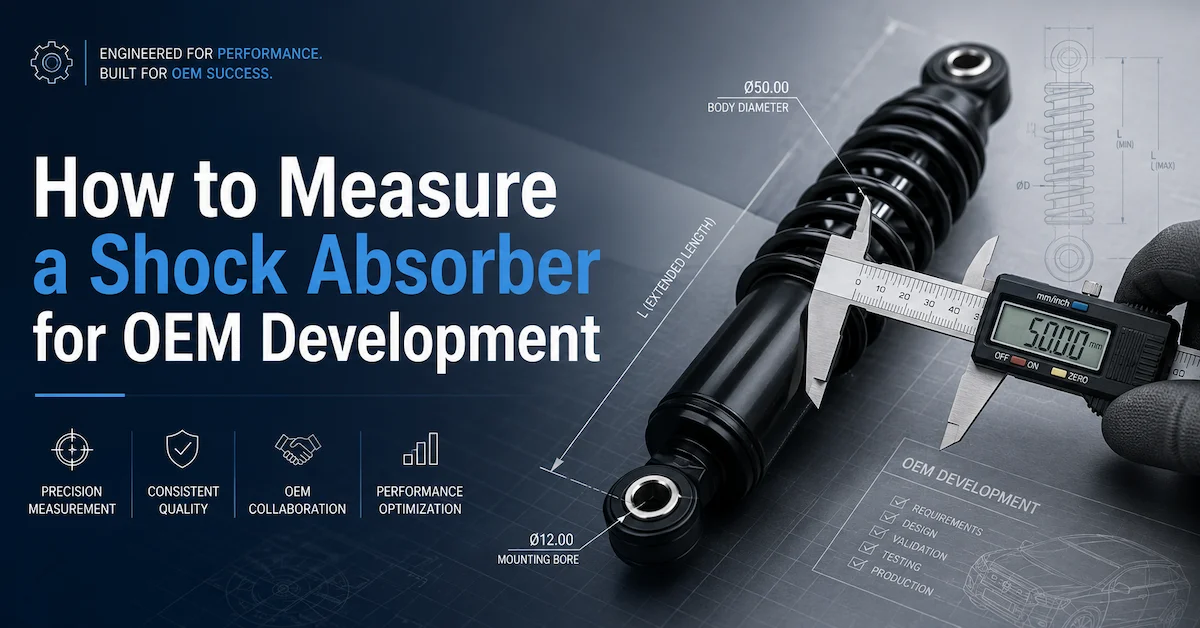

Ice-Trail Snowmobile Suspension Upgrade: Revolutionizing Your Ride
When it comes to enhancing your snowmobile's performance on icy trails, the ice-trail snowmobile suspension upgrade stands out as a game-changer. This upgrade is designed to tackle the challenging conditions of frozen landscapes, providing superior stability and control. Whether you're navigating tight turns or speeding across open terrain, investing in a reliable suspension system ensures a smoother, safer experience. In this article, we'll explore the benefits, key features, and installation tips for this essential upgrade, helping you make an informed decision for your next adventure.
Understanding the Need for an Ice-Trail Snowmobile Suspension Upgrade
Snowmobiling on ice trails presents unique demands that standard suspensions often can't handle effectively. The ice-trail snowmobile suspension upgrade addresses these by incorporating advanced shock absorbers and reinforced springs that absorb vibrations from uneven icy surfaces. Riders frequently report reduced fatigue during long rides, thanks to the minimized jolts and improved weight distribution. This upgrade isn't just about comfort; it's about safety. On slippery ice, a responsive suspension prevents skids and enhances steering precision, which can be the difference between a thrilling ride and a dangerous mishap.
Furthermore, modern ice-trail snowmobile suspension upgrades are built with durable materials like high-grade aluminum and polymer composites, ensuring they withstand the harsh winter elements. Exposure to sub-zero temperatures and constant moisture doesn't compromise their integrity, unlike older models that might corrode or wear out quickly. By upgrading, you're extending the lifespan of your snowmobile while optimizing its performance for ice-specific conditions. Enthusiasts in regions like the Arctic Circle or the Great Lakes have praised these systems for transforming their machines into reliable ice conquerors.
Key Features That Make This Upgrade Exceptional
One of the standout features of the ice-trail snowmobile suspension upgrade is its adjustable damping system. This allows riders to fine-tune the suspension based on trail conditions—stiffer for high-speed runs or softer for technical sections with deep snow patches. Integrated with progressive-rate springs, the upgrade provides a balanced ride that adapts seamlessly, reducing bottoming out on bumps and maintaining traction on ice. Many models also include anti-dive technology, which keeps the front end planted during aggressive braking, a common scenario on frozen trails.
Durability is another hallmark, with components engineered to resist corrosion from salt-laden ice and road spray. The upgrade often comes with sealed bearings and grease fittings for easy maintenance, ensuring longevity even after hundreds of miles. For those pushing their snowmobiles to the limit in competitive racing or backcountry exploration, features like increased ground clearance and wider track compatibility elevate the overall handling. These enhancements not only boost confidence but also allow for higher speeds without sacrificing control, making the ice-trail snowmobile suspension upgrade a favorite among professional riders.
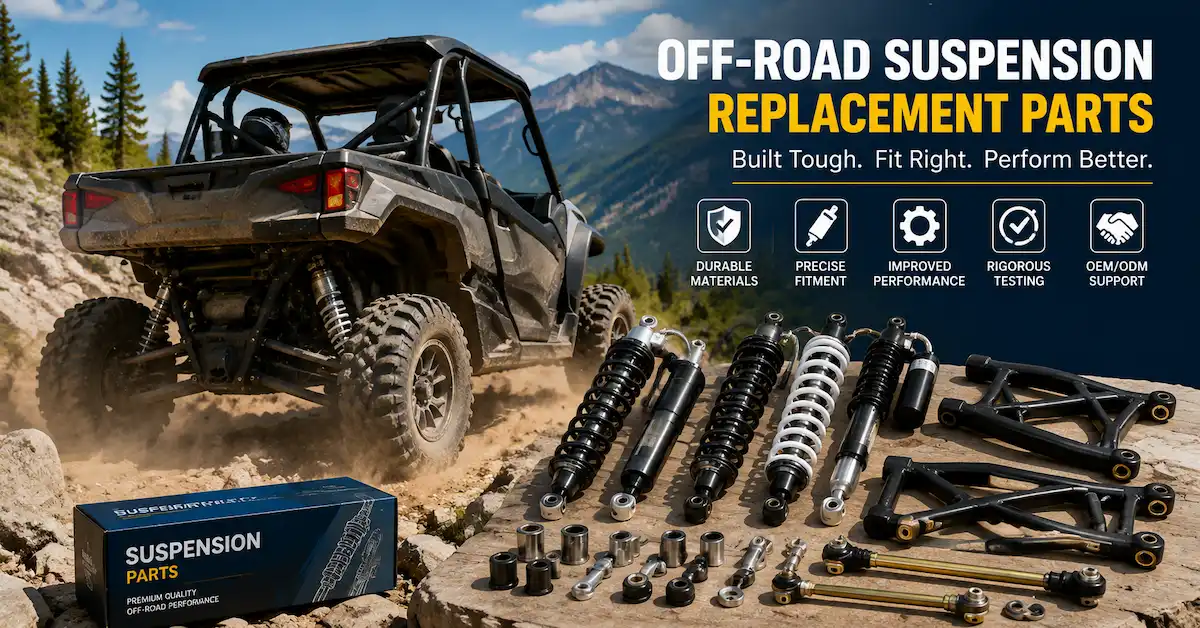
Additionally, compatibility is a breeze with most major snowmobile brands, from Polaris to Ski-Doo. The modular design means you can often install it without major modifications, saving time and money. Environmental considerations are also factored in, with many upgrades using recyclable materials and low-friction coatings that reduce energy loss, promoting efficiency on fuel-thirsty long hauls.
Installation and Maintenance Tips for Optimal Performance
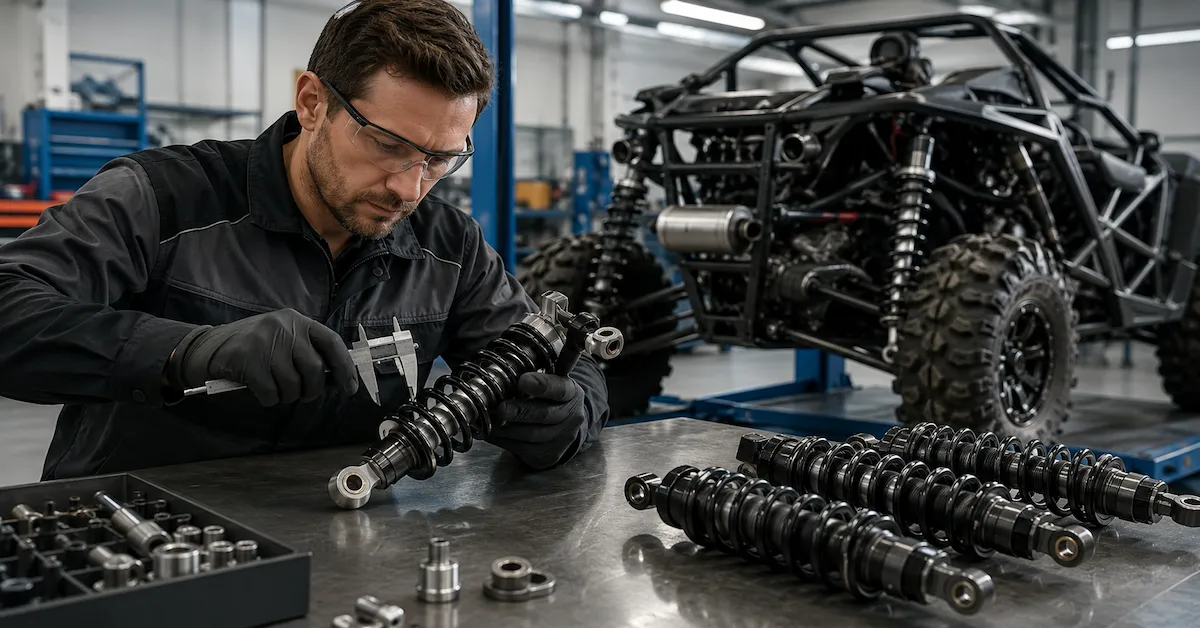
Installing an ice-trail snowmobile suspension upgrade is straightforward, typically requiring basic tools and a few hours in your garage. Start by safely elevating the snowmobile and removing the old suspension components, following the manufacturer's guidelines to avoid damaging the frame. Align the new shocks and springs precisely, torquing bolts to spec for secure fastening. It's advisable to bleed air from the system if hydraulic elements are involved, ensuring no bubbles compromise the damping.
Once installed, regular maintenance keeps your upgrade performing at its best. Check for wear on bushings and seals after every 50 hours of use, and lubricate moving parts to prevent freezing in extreme cold. In coastal areas where salt exposure is high, rinse the suspension with fresh water post-ride to ward off corrosion. Professional servicing annually can catch issues early, maintaining the upgrade's reliability. Riders who follow these steps often find their systems lasting multiple seasons, providing excellent value for the investment.
Real-World Benefits and Rider Testimonials
The real proof of the ice-trail snowmobile suspension upgrade lies in user experiences. Take John, a seasoned rider from Minnesota, who shared how the upgrade turned his bumpy commutes into effortless cruises: "Before, every ice rut felt like a punch; now, it's smooth sailing." Similarly, competitive teams in snowmobile derbies credit the upgrade for quicker lap times and fewer mechanical failures. Data from rider forums indicates up to a 30% improvement in handling scores on icy tracks, underscoring its effectiveness.
Beyond performance, the upgrade contributes to cost savings by reducing wear on other components like skis and tracks. Less stress on the chassis means fewer repairs, allowing more time on the trails and less in the shop. For families or groups, the added stability makes shared rides safer, encouraging more outdoor bonding in winter wonderlands. As climate patterns shift, bringing more variable ice conditions, this upgrade future-proofs your snowmobile against unpredictability.
Choosing the Right Upgrade for Your Needs
Selecting the perfect ice-trail snowmobile suspension upgrade depends on your riding style and machine specs. For casual trailblazers, a basic kit with standard shocks suffices, while hardcore adventurers might opt for premium versions with electronic adjustments. Consider factors like weight capacity if you're hauling gear or passengers, and ensure the upgrade matches your snowmobile's horsepower to avoid imbalances.
Budget-wise, entry-level options start around $500, scaling up to $2,000 for top-tier systems, but the return on investment through enhanced safety and enjoyment is undeniable. Research reputable brands known for warranties and customer support, and read reviews from similar terrains. Consulting a local dealer can provide hands-on advice tailored to your setup.
In conclusion, the ice-trail snowmobile suspension upgrade is more than an accessory—it's a vital enhancement that elevates your winter rides to new heights. By improving control, comfort, and durability, it ensures you're ready for whatever the ice throws your way. Gear up today and experience the difference on your next outing.