
Twin Shock Absorber Supplier: Engineering Stability Through Dual-Damping Precision
Industry Dynamics: Why Twin-Shock Systems Remain Relevant
Despite the rise of modern monoshock systems, twin shock absorbers remain the preferred configuration for many motorcycles and utility vehicles.
Their dual-structure design distributes stress evenly between two suspension units—delivering better load stability, easier maintenance, and enhanced frame balance.
For suppliers, manufacturing precision in twin-shock systems means managing not just one damping curve—but two that must perform synchronously.
Bedo’s approach focuses on parallel calibration, ensuring consistent rebound force and synchronized damping on both sides of the chassis.
Engineering Principle: Inside the Dual-Damping Mechanism
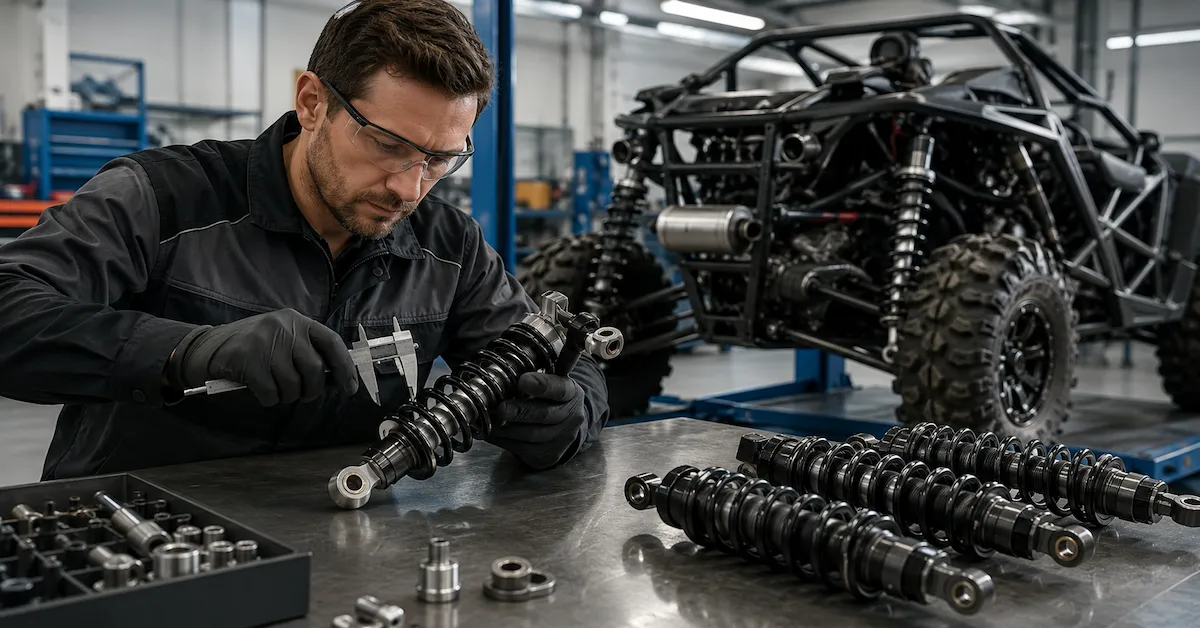
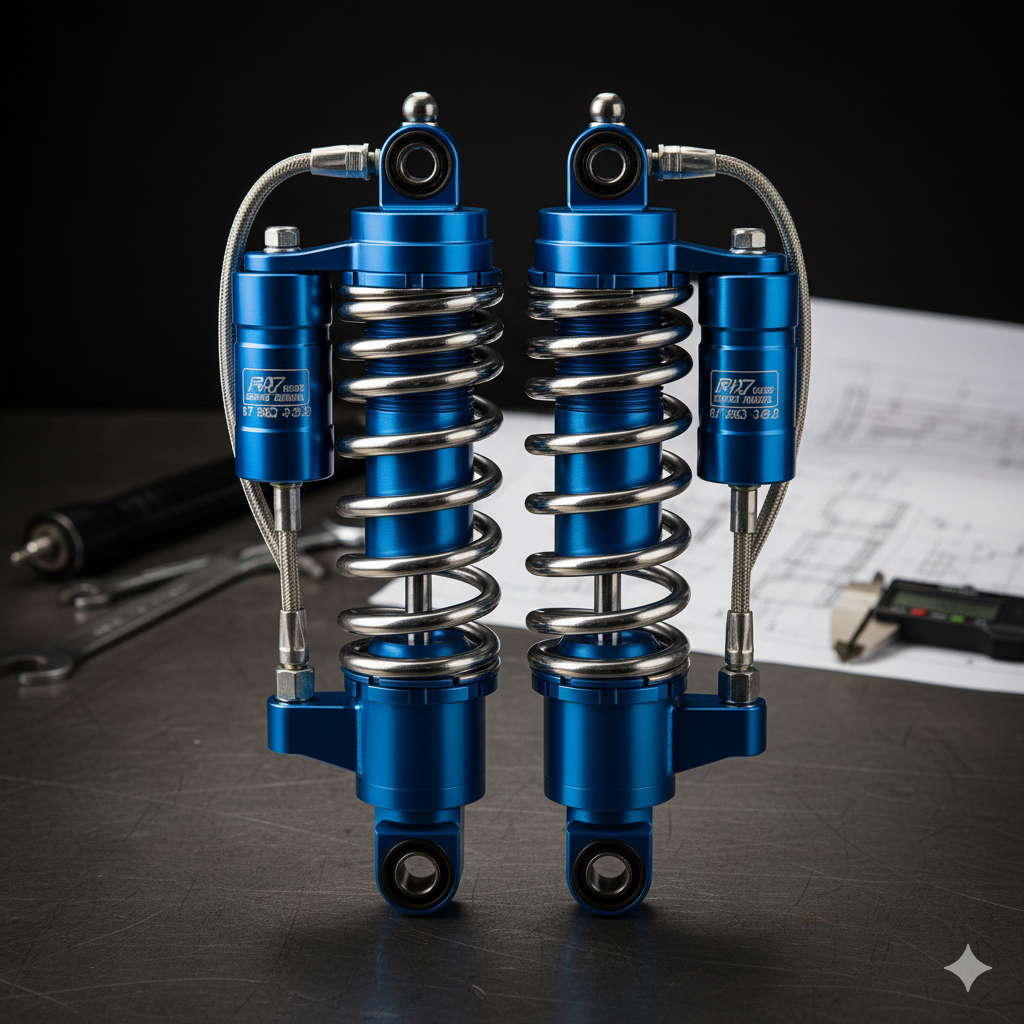
A twin shock absorber operates through two hydraulic dampers and coil-over springs mounted symmetrically at the rear.
This configuration reduces frame torsion and improves traction under variable loads.
Core Engineering Elements
-
Hydraulic Damping Control:Each shock absorber uses a dual-valve system to manage compression and rebound separately, maintaining stability during acceleration and braking.
-
Progressive Coil Springs:Variable pitch coils adjust stiffness dynamically, preventing bottom-out during high-impact conditions.
-
Nitrogen Charging:Gas pressure prevents cavitation and ensures consistent damping through temperature fluctuations.
-
Reinforced Mounting Structure:Precision-machined eyelets with rubber bushings isolate vibration and reduce noise transmission.
These features make twin shocks particularly effective for commuter motorcycles, cruisers, and off-road machines where comfort and reliability outweigh pure sport performance.
Technical Comparison: Twin-Shock vs. Monoshock Systems
| Parameter | Twin Shock (Bedo Configuration) | Monoshock Systems |
|---|---|---|
| Load Distribution | Dual-sided, stable balance | Centralized, single-point load |
| Maintenance | Simple, replaceable units | Complex, requires full disassembly |
| Damping Consistency | Dual synchronized valves | Single damping curve |
| Frame Stress | Lower torsional stress | Higher central tension |
| Customization | Wide spring and damping adjustability | Limited tuning range |
| Durability | High under heavy load | Slightly reduced in rugged use |
The result: twin-shock systems remain unmatched for durability, serviceability, and cost-efficiency—especially in fleet, touring, and utilitarian motorcycle segments.
Performance Optimization: Dual Calibration for Dynamic Control
Bedo’s twin shock absorbers are designed with balanced damping geometry, where compression and rebound forces are precisely matched between both sides.
This dual calibration improves:
-
Ride Comfort: Even response minimizes rear-end oscillation.
-
Cornering Stability: Equal damping preserves alignment during lateral forces.
-
Load Management: Reinforced coil springs maintain consistent height with variable cargo or passenger weight.
-
Thermal Resistance: Gas-charged oil chambers sustain viscosity under continuous motion.
Bedo’s engineering teams use finite element analysis (FEA) and multi-axis simulation to optimize flow paths within the damping chamber—ensuring predictable handling even after extended use.
Application Focus: Designed for Utility, Commuter, and Off-Road Use
1. Urban Commuter Motorcycles
Lightweight aluminum bodies provide smooth response and minimal maintenance.
2. Touring and Cruiser Bikes
Adjustable rebound and preload features deliver long-distance comfort under luggage load.
3. Off-Road and ATV Models
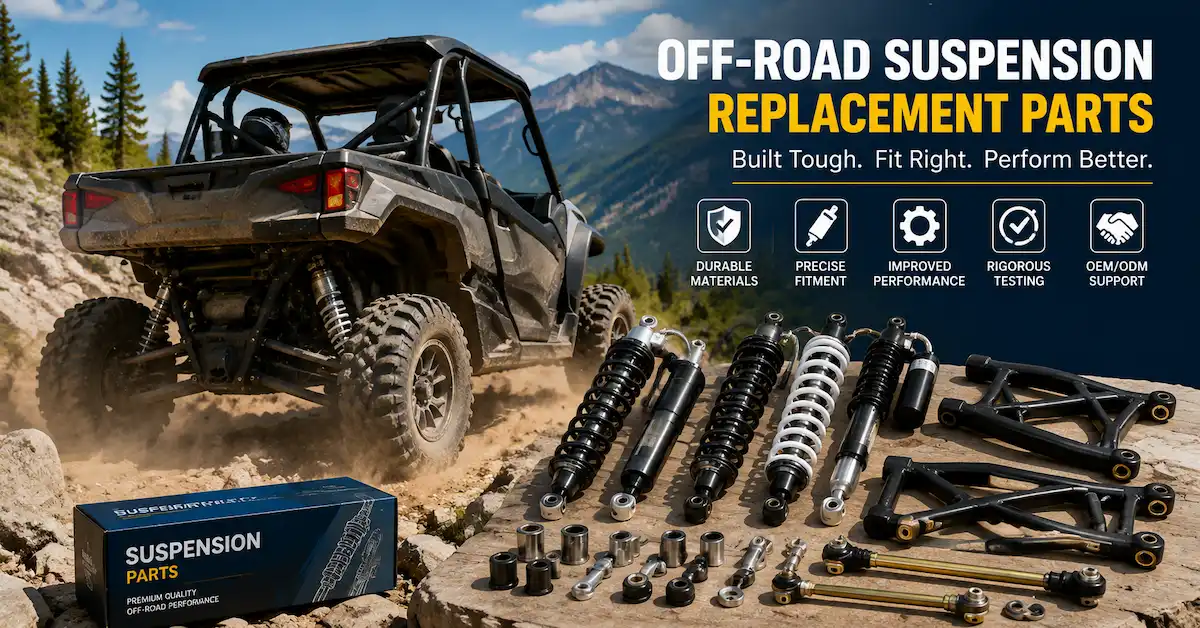
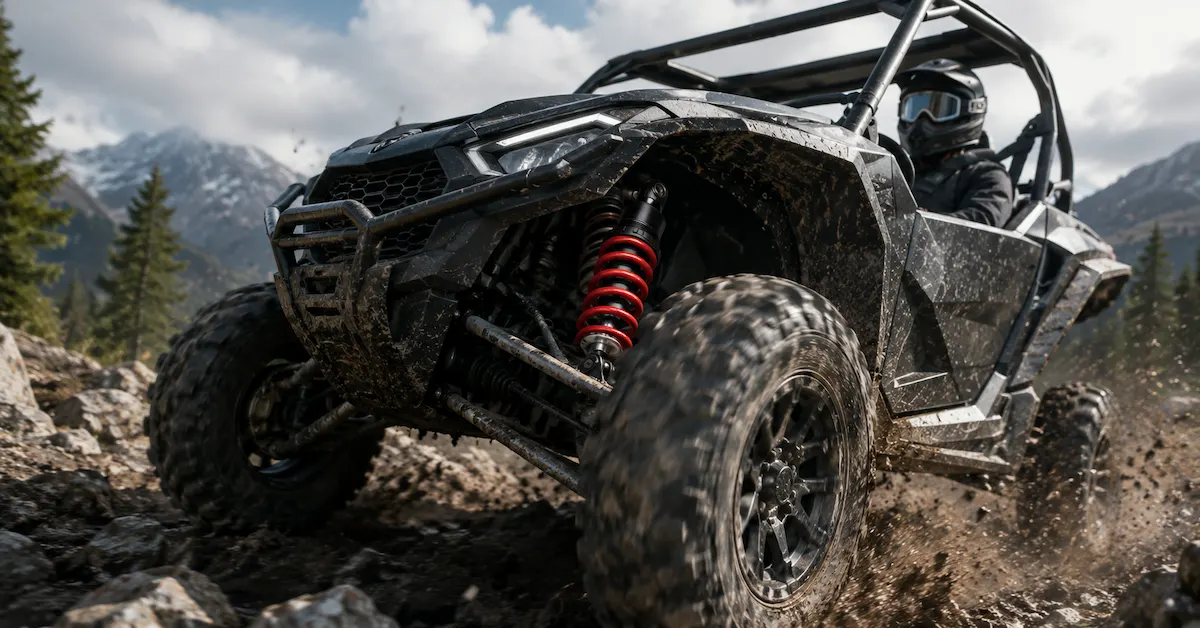
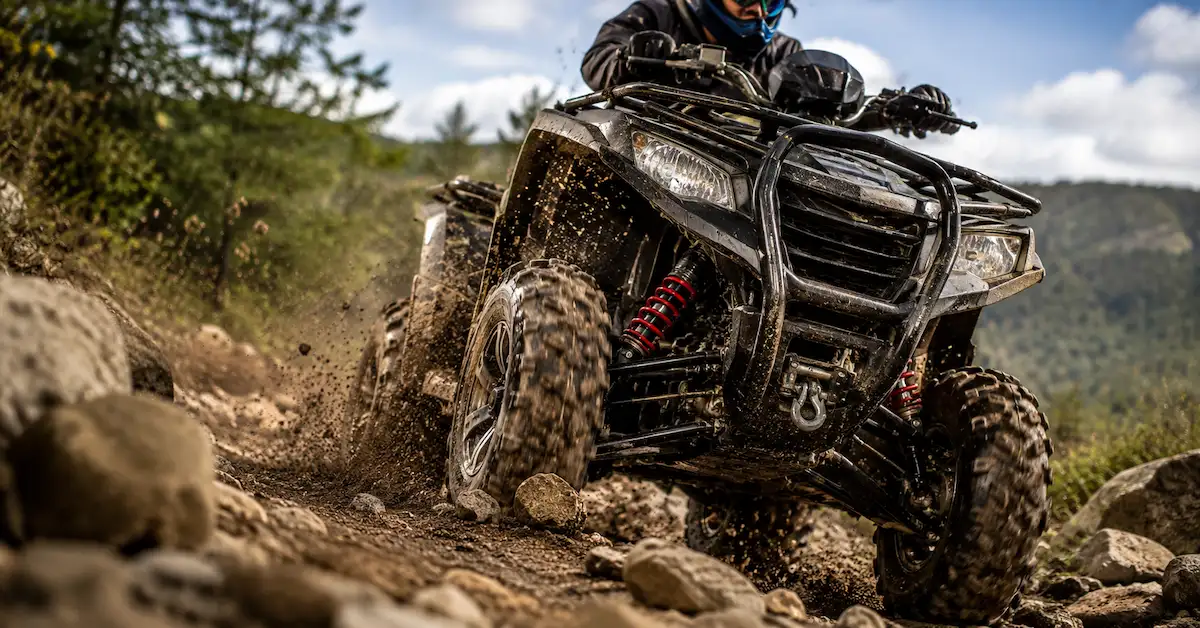
High-travel coil-over assemblies absorb large impacts while maintaining chassis rigidity.
4. Utility and Cargo Bikes
Heavy-duty twin shocks prevent frame sag and extend operational lifespan under constant weight.
Procurement Framework: What to Evaluate in a Twin-Shock Supplier
For manufacturers and assembly partners, sourcing twin shock absorbers is a long-term quality investment.
Checklist for Selection
✔ Confirm ISO/TS16949 certification for manufacturing process control.
✔ Request damping curve validation data to verify force balance.
✔ Assess corrosion protection coating under salt spray ≥720h.
✔ Ensure mounting geometry compatibility for standard OEM brackets.
✔ Verify spring material composition and fatigue test reports (≥500,000 cycles).
Bedo’s twin-shock line includes customizable preload ratios, rebound tuning, and nitrogen pressure configurations, offering design flexibility without compromising OEM interchangeability.
Industry Q&A: Addressing OEM and Export Client Queries
Q1: How does Bedo ensure both shocks in a pair perform identically?
Each unit undergoes synchronized valve calibration and pairwise damping verification using real-time test benches.
Q2: Can Bedo supply twin shocks with custom branding or spring colors?
Yes. Bedo provides private labeling, laser engraving, and color-coded spring finishes for OEM and aftermarket clients.
Q3: What’s the expected fatigue life for Bedo twin-shock systems?
All models pass dynamic endurance tests over 500,000 full compression cycles without oil leakage or damping loss.
Q4: Are twin-shock units suitable for electric or hybrid motorcycles?
Absolutely. Their modular structure allows for adaptive damping tuned for electric drivetrain weight and torque distribution.
Proven Stability in Every Pair
The evolution of motorcycle suspension technology has not replaced twin-shock systems—it has refined them.
Bedo continues to elevate this proven architecture with precision machining, parallel damping control, and export-level quality assurance.
From commuter motorcycles to utility fleets, Bedo’s twin shock absorbers embody mechanical balance and engineering reliability built to last.
Explore Bedo’s range of suspension technologies at our homepage or contact our technical team via the contact page for OEM customization or export partnerships.