
Understanding the Basics of Ice-Trail Snowmobile Suspension Upgrades
When tackling icy trails on a snowmobile, the factory suspension often falls short in delivering the precision and stability needed for optimal performance. An ice-trail snowmobile suspension upgrade addresses this by enhancing shock absorption, improving weight distribution, and increasing durability against the harsh conditions of frozen landscapes. This upgrade typically involves replacing or modifying components like shocks, springs, and A-arms to better handle the low-traction environment of ice trails. For riders who frequently navigate these challenging terrains, such an upgrade isn't just a luxury—it's a necessity for safety and control. The core principle behind these upgrades lies in adapting the suspension geometry to minimize flex and maximize contact with the ice surface, ensuring that your snowmobile remains responsive even at high speeds.
Delving deeper, the suspension system in a snowmobile consists of front and rear assemblies that work in tandem to absorb impacts from uneven ice formations and ruts. On ice trails, where traction is minimal, the suspension must provide immediate feedback to the rider without excessive bouncing or diving. Upgrading begins with assessing the current setup: measure the shock lengths, spring rates, and damping coefficients. For instance, standard shocks might have a compression damping of around 200-300 psi, but for ice conditions, upgrading to adjustable units with progressive damping—up to 500 psi—can prevent bottoming out on hard-packed snow. This technical adjustment reduces the risk of losing control during cornering, where centrifugal forces amplify the need for stable suspension behavior.
Key Components of an Effective Suspension Upgrade
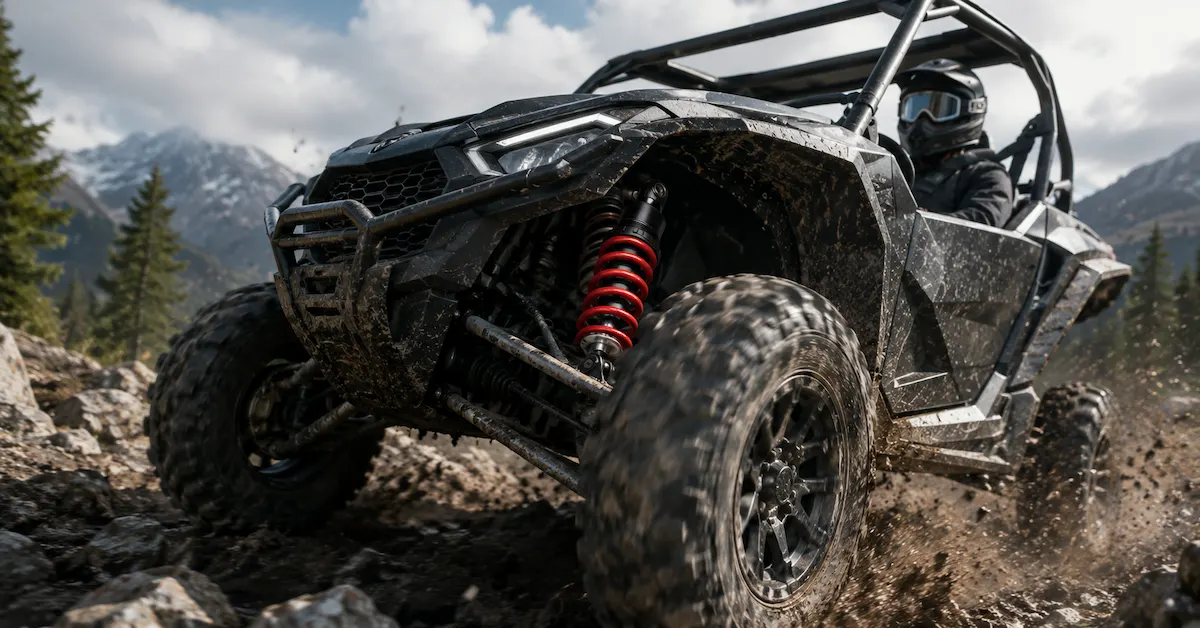
The heart of any ice-trail snowmobile suspension upgrade is the selection of high-performance shocks. Brands like Fox or Ohlins offer models specifically designed for winter extremes, featuring remote reservoirs to dissipate heat generated from rapid compressions on icy bumps. These shocks use nitrogen-charged internals to maintain consistent pressure, unlike basic oil-filled units that can foam under prolonged use, leading to fade. Installation requires precise alignment; for example, the front A-arms should be set at a 2-3 degree caster angle to improve steering stability on slick surfaces. Coupled with this, upgrading to heavier-duty springs—rated at 150-200 lbs/inch versus the stock 100 lbs/inch—ensures the sled's weight is distributed evenly, preventing the skis from washing out during acceleration.
Another critical element is the rear suspension linkage. Ice trails often feature long, straight stretches interspersed with sharp turns, demanding a progressive rate system that stiffens under load. Upgrading to a torsion spring setup or an air-assisted rear shock can provide this, allowing riders to fine-tune preload based on track conditions. Technically, this involves calculating the leverage ratio of the linkage; a ratio of 1:2.5 means that for every inch of wheel travel, the shock compresses 2.5 inches, amplifying damping efficiency. Reinforcing the tunnel with aluminum bracing further prevents flex, which could otherwise cause the track to dig into soft ice patches, leading to unwanted deceleration.
Don't overlook the bushings and bearings in your upgrade. Standard rubber bushings degrade quickly in sub-zero temperatures, increasing play and vibration. Replacing them with polyurethane or Delrin equivalents reduces friction and extends component life—up to 50% longer under icy abuse. For a comprehensive upgrade, integrate electronic suspension controls if your model supports it; these use sensors to adjust damping in real-time based on speed and terrain, a feature common in high-end racing sleds.
Installation Process and Technical Considerations
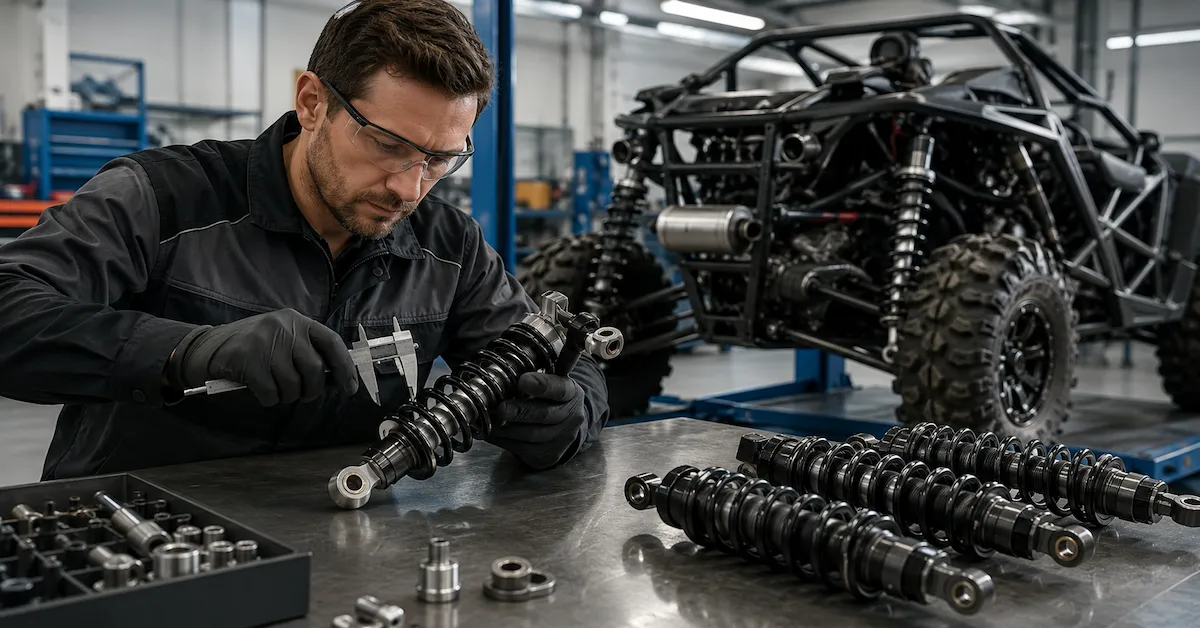
Installing an ice-trail snowmobile suspension upgrade requires meticulous attention to torque specs and alignment to avoid premature wear. Begin by jacking up the sled and removing the front end: loosen the spindle bolts (typically 25-30 ft-lbs) and disconnect the sway bar. When fitting new shocks, ensure the mounting points are greased with high-temperature synthetic lubricant to combat corrosion from ice melt and salt. For the rear, drop the track and inspect the idler wheels; upgrading to sealed bearings with a 6205 specification enhances spin efficiency, reducing drag on ice where every bit of power counts.
Technical calibration is key post-installation. Use a digital angle finder to set the rear skid angle at 55-60 degrees for optimal bite on ice without excessive stud wear. Test the damping by compressing the suspension manually— it should rebound smoothly without oscillation, indicating proper valving. If you're upgrading for competitive ice racing, consider adding limiter straps to control extreme articulation, preventing the sled from high-centering on frozen ridges. This process, while involved, can be completed in a weekend with basic tools like a torque wrench and spring compressor, yielding a suspension that's 30-40% more responsive than stock.
Safety considerations during installation include wearing protective gear and working in a well-ventilated area, as some adhesives for bushing installs emit fumes. Once upgraded, break in the system with low-speed runs on groomed trails before hitting the ice, allowing components to seat properly.
Performance Benefits and Real-World Applications
The performance gains from an ice-trail snowmobile suspension upgrade are profound, particularly in terms of handling and rider fatigue reduction. On ice, where slips can lead to high-speed crashes, the enhanced stability translates to faster lap times—riders report 10-15% improvements in cornering speeds. The upgraded damping absorbs micro-vibrations from ice crystals, making long rides less taxing on the body and allowing focus on navigation rather than fighting the machine.
In real-world scenarios, such as cross-country ice trail expeditions or oval track racing, these upgrades shine. For instance, in events like the Iron Dog race, competitors with custom suspensions navigate frozen rivers with minimal downtime, thanks to reduced shock failures. Fuel efficiency also improves slightly due to less energy lost in suspension bounce, extending range on remote trails. Maintenance-wise, upgraded components require less frequent servicing; shocks might last a full season versus mid-season rebuilds for stock units.
To maximize benefits, pair the suspension upgrade with complementary mods like aggressive ice studs on the track—spaced at 1.5-inch patterns for grip—and lightweight skis to lower the center of gravity. Over time, this holistic approach not only boosts performance but also increases resale value, as a well-maintained upgraded sled appeals to serious enthusiasts.
Maintenance Tips for Longevity
Post-upgrade, regular maintenance ensures your ice-trail snowmobile suspension performs reliably. Inspect shocks for leaks every 50 hours of use, checking nitrogen levels with a gauge—top off to 200 psi if needed. Clean pivot points with isopropyl alcohol to remove ice buildup, and reapply marine-grade grease quarterly. For springs, monitor for fatigue cracks using a dye penetrant test, especially after hard landings.
In extreme cold, below -20°F, warm the suspension with a heat gun before riding to restore fluid viscosity. Annually, rebuild shocks with fresh oil (10W synthetic) to maintain damping precision. By following these protocols, your upgrade can endure years of icy punishment, providing consistent technical excellence on every trail.
Overall, investing in an ice-trail snowmobile suspension upgrade equips you with the technical edge needed to conquer frozen frontiers safely and efficiently.