
Welcome to the exciting world of off-roading! If you're drawn to the thrill of exploring rugged trails, sandy dunes, and untamed landscapes, then an All-Terrain Vehicle (ATV) might be your perfect key to adventure. This comprehensive ATV beginner guide is designed to navigate you through the essentials, from understanding the basics to gearing up for your first ride. Mastering the fundamentals is crucial for a safe and exhilarating experience, and it all starts with a solid foundation of knowledge. For anyone new to the sport, fully understanding ATV mechanics and riding principles is the first step toward conquering new paths with confidence and skill.
What Exactly is an ATV?
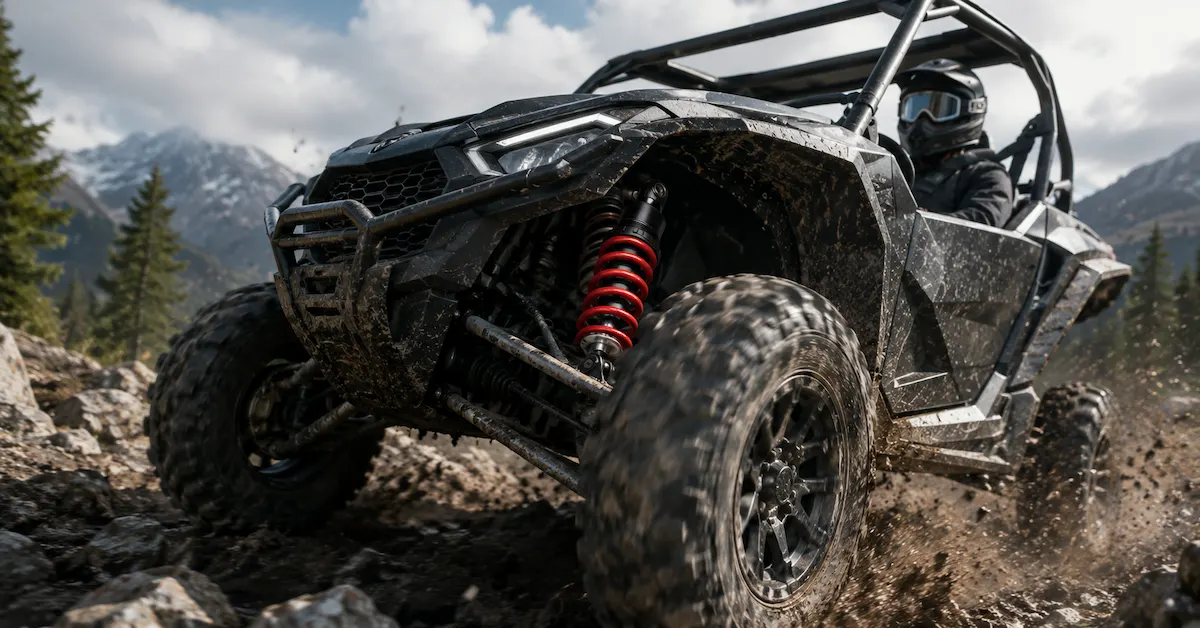
An All-Terrain Vehicle, commonly known as an ATV or quad, is a motorized vehicle designed for off-highway use. It typically features four low-pressure tires, a seat that is straddled by the operator, and handlebars for steering control. ATVs come in various shapes and sizes, primarily categorized into two types: Utility and Sport. Utility ATVs are the workhorses of the family, built for tasks like hauling and navigating tough farm or backwoods terrain. They often have racks for carrying equipment. Sport ATVs, on the other hand, are engineered for performance and recreation. Imagine a high-performance machine with a sleek, aerodynamic body, an aggressive design, and a powerful engine built to conquer sandy dunes and rugged terrains. These models are lighter, faster, and more agile, featuring advanced components like high-clearance suspension for smooth handling over rough surfaces and specialized tires, such as sand-specific paddle treads, for maximum grip and control on challenging ground. Getting a grasp on these distinctions is a core part of understanding ATV capabilities and choosing the one that fits your intended activities.
Choosing the Right ATV for a Beginner
Selecting your first ATV is a critical decision that will shape your entire learning experience. While a high-performance model with a powerful engine and cutting-edge design is tempting, beginners should prioritize safety and manageability. As part of this ATV beginner guide, we recommend starting with a smaller engine, typically in the 250cc to 400cc range. These engines provide enough power to be exciting without being overwhelming for a novice rider. Another key consideration is the transmission. Many entry-level ATVs come with an automatic transmission, which allows new riders to focus on steering, braking, and body positioning without the added complexity of shifting gears. Think about where you'll be riding. If you plan to stick exclusively to sand dunes, a specialized vehicle is great. However, for exploring varied trails, a more versatile machine with all-purpose knobby tires would be a better initial investment. Always prioritize a vehicle that matches your current skill level, not just your ambition.
Gearing Up for Safety and Your First Ride
Safety is non-negotiable in the world of off-roading. Before you even think about starting the engine, you must invest in proper protective gear. The single most important piece of equipment is a DOT-approved helmet; a quality one with bold, visible graphics can add style while providing essential protection. Next, you'll need goggles to protect your eyes from dust, debris, and branches. A durable riding suit, perhaps in a coordinated black and white style, along with sturdy gloves, will protect your skin from scrapes and impacts. Finally, complete your outfit with over-the-ankle boots that provide support and protection. Once you're geared up, perform a pre-ride inspection. A common acronym to remember is T-CLOCS: Tires and Wheels, Controls, Lights and Electrics, Oil and Fluids, Chassis and Suspension, and Stands. Ensuring your machine is in top condition before every ride prevents mechanical failures on the trail.
Mastering the Fundamentals of Riding
Your first ride should be in a large, open, and flat area, free from obstacles. This controlled environment allows you to get a feel for the machine without pressure. Sit on the ATV in a comfortable but alert posture, with your feet firmly on the footpegs. Familiarize yourself with the controls: the thumb throttle on the right handlebar controls your speed, while the brake levers (one on the handlebar, sometimes a foot brake as well) control your stopping. Start by applying the throttle gently to move forward slowly. Practice accelerating, decelerating, and coming to a complete stop. Once you are comfortable, practice turning. Unlike a car, you must use your body weight to help steer an ATV. Lean your body into the turn to maintain balance and traction. Learning how to properly shift your weight for different situations—leaning forward for uphills, leaning back for downhills, and leaning into turns—is the essence of ATV riding and a skill that becomes second nature with practice.
Understanding Your Machine's Design
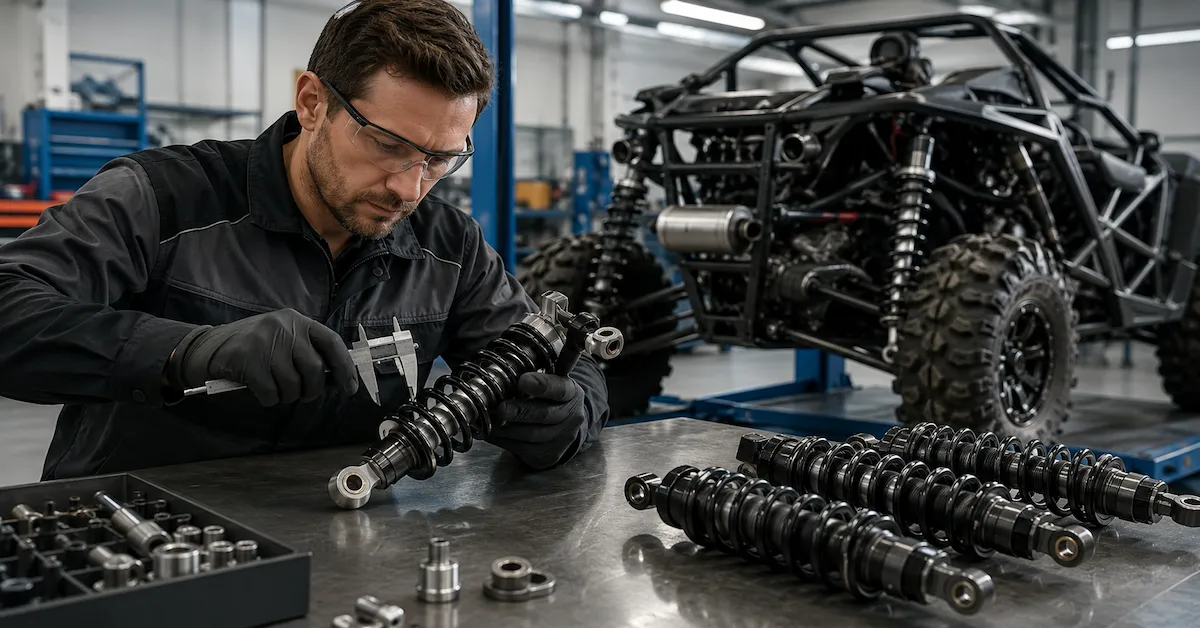
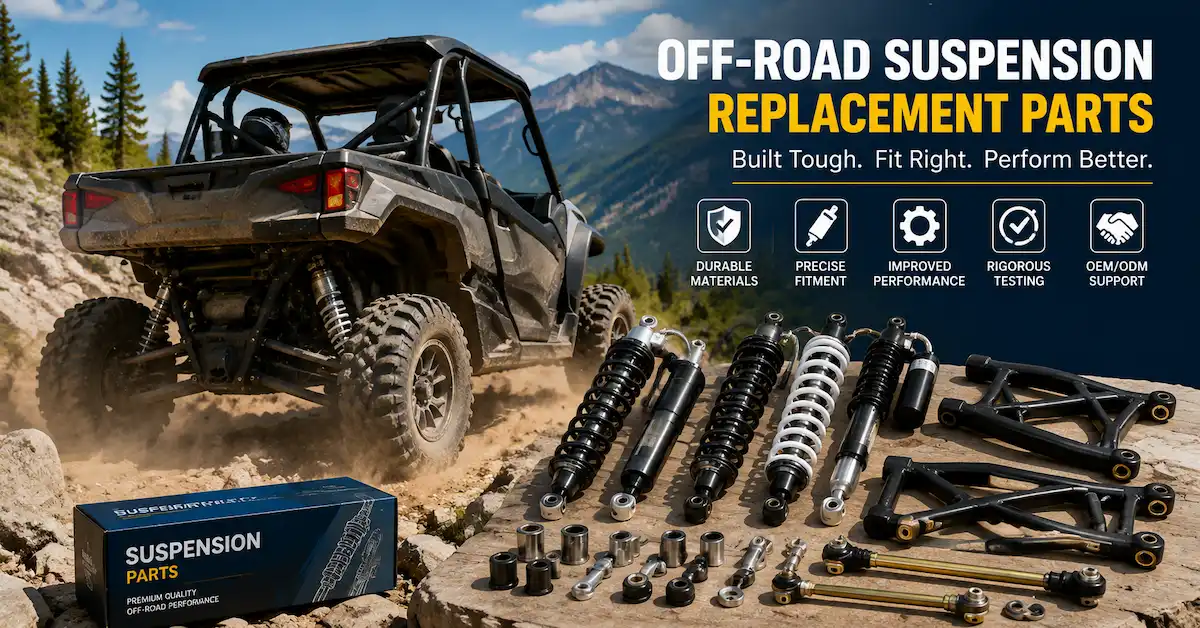
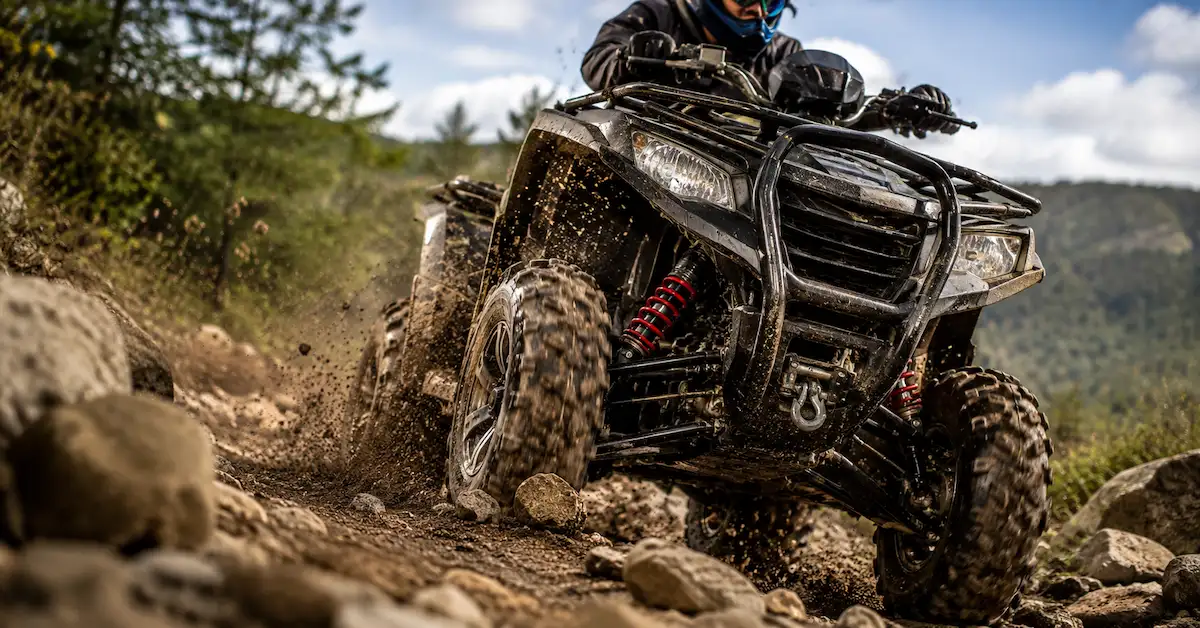
To truly become a proficient rider, you need a deeper appreciation for your vehicle's engineering. A deeper understanding ATV mechanics helps you push its limits safely. Look at the key components that define its performance. The suspension system, with its exposed shocks and heavy-duty control arms, is a testament to its robust engineering, designed to absorb high-impact rides and keep the tires connected to the ground on uneven surfaces. High-clearance suspension is particularly valuable as it allows the vehicle to glide over rocks and logs without getting stuck. The tires are another crucial element. Aggressive knobby tires are all-rounders for dirt trails, while paddle-like treads on the rear wheels are specifically designed to scoop sand, providing incredible traction on dunes. This insight into how different parts function will not only make you a better rider but will also help you diagnose potential issues and perform basic maintenance, ensuring your ATV is always ready for the next adventure.