
Understanding Material Certificate: 60Si2MnA Spring Steel for High-Performance Applications
In the world of engineering and manufacturing, selecting the right materials is crucial for ensuring durability and reliability in demanding applications. One standout material that has gained prominence is Material certificate: 60Si2MnA spring steel. This high-carbon spring steel alloy is renowned for its exceptional strength, resilience, and fatigue resistance, making it an ideal choice for components that must endure repeated stress and harsh environments. Whether you're involved in automotive production or heavy machinery fabrication, understanding the properties backed by a material certificate for 60Si2MnA spring steel can significantly impact your project's success.
The Composition and Key Properties of 60Si2MnA Spring Steel
Material certificate: 60Si2MnA spring steel is a silicon-manganese alloyed steel specifically designed for spring manufacturing. Its chemical composition includes approximately 0.60% carbon, 2.00% silicon, and 0.70% manganese, along with small amounts of other elements like chromium and vanadium for enhanced performance. The material certificate typically verifies these specifications, ensuring compliance with standards such as GB/T 1222 in China or equivalent international norms.
What sets 60Si2MnA spring steel apart is its superior mechanical properties. It boasts a high tensile strength of around 1500-1800 MPa, excellent elasticity, and remarkable resistance to relaxation under load. These attributes make it perfect for applications requiring consistent performance over extended periods. For instance, in automotive shock absorbers, the spring components made from this steel can absorb vibrations and impacts without permanent deformation. The certificate also confirms heat treatment processes like oil quenching and tempering, which contribute to its hardened surface and tough core, providing a balance of hardness and ductility.
Moreover, the fatigue strength of 60Si2MnA spring steel is exceptional, often exceeding 1000 cycles under high stress without failure. This is particularly important in dynamic environments where components are subjected to cyclic loading. Environmental resistance is another highlight; while not inherently stainless, proper surface treatments outlined in the material certificate can enhance its corrosion resistance, extending service life in humid or salty conditions.
Applications of Material Certificate: 60Si2MnA Spring Steel in Modern Industries
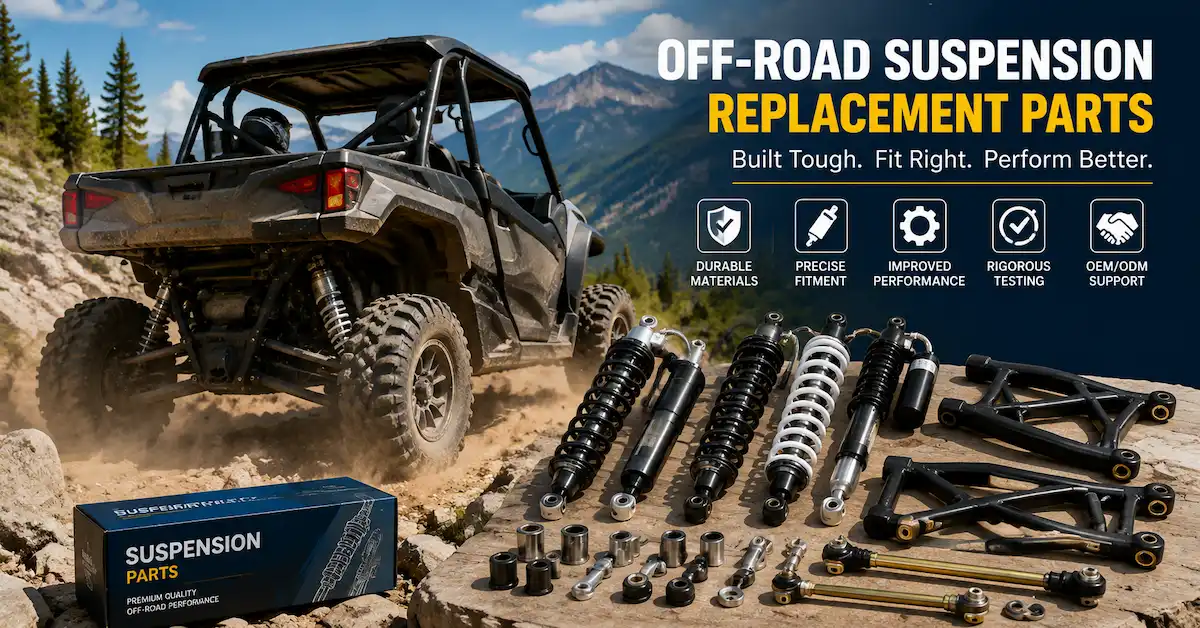
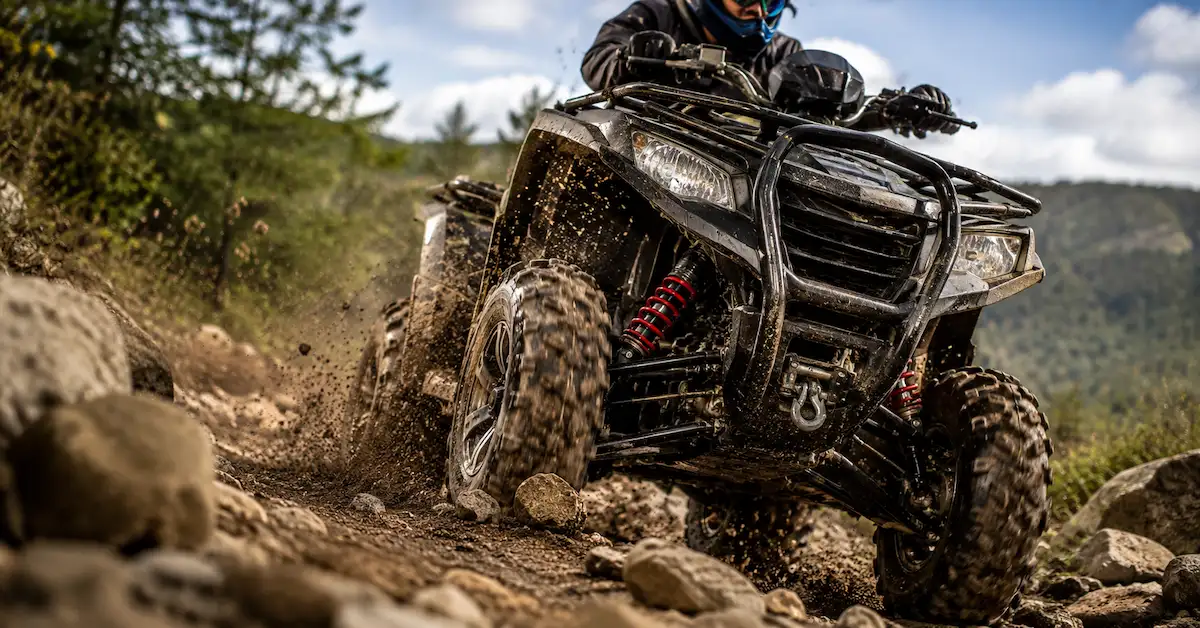
The versatility of Material certificate: 60Si2MnA spring steel extends across various industries, from automotive to aerospace and beyond. In the automotive sector, it's widely used in suspension systems, particularly in coil springs for shock absorbers. Imagine a rugged off-road vehicle navigating rocky terrains; the springs crafted from this steel provide the necessary damping and stability, ensuring a smooth ride and preventing component wear.
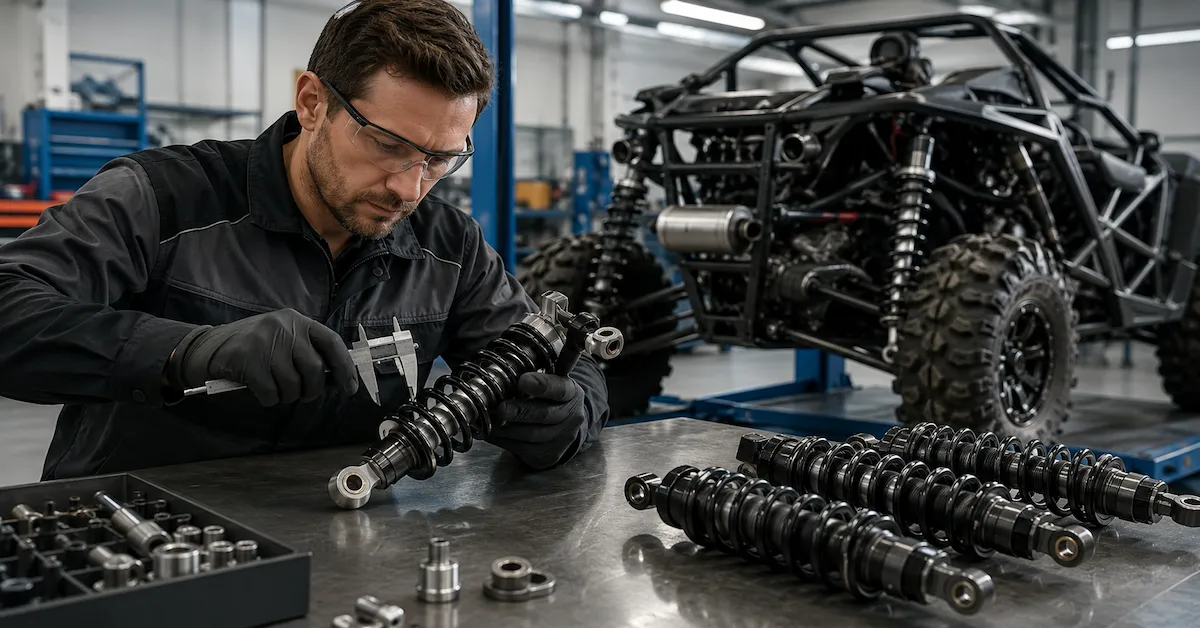
Our new corrosion-resistant shock absorber exemplifies the practical application of this material. Engineered with 60Si2MnA spring steel at its core, this shock absorber features a robust coil spring that delivers superior shock absorption. The material certificate guarantees that the steel meets rigorous quality standards, allowing it to withstand harsh conditions like mud, water, and extreme temperatures. Paired with a sleek stainless steel body, it resists rust and corrosion, even in the most challenging environments. The orange accents not only enhance its visual appeal but also highlight its high-performance nature, making it a stylish yet functional upgrade for vehicles.
Beyond automotive uses, 60Si2MnA spring steel finds its way into agricultural machinery, where reliable springs are essential for plows and harvesters operating in dusty fields. In the manufacturing of industrial tools, such as torsion springs and leaf springs, the material's high yield strength ensures longevity and minimal maintenance. The material certificate plays a pivotal role here, providing traceability and assurance that the steel has undergone non-destructive testing, like ultrasonic inspection, to detect any internal flaws.
The Importance of Material Certification for 60Si2MnA Spring Steel
Obtaining a material certificate for 60Si2MnA spring steel is not just a formality; it's a critical step in quality assurance. This document, often issued by accredited testing labs, includes details on chemical analysis, mechanical testing results, and conformance to specifications. For manufacturers, it mitigates risks associated with material variability, ensuring that every batch meets the required standards for safety and performance.
In practical terms, consider the implications for product reliability. A certified batch of 60Si2MnA spring steel in a shock absorber can prevent failures that lead to accidents or costly downtime. The certificate also facilitates compliance with industry regulations, such as ISO 9001 for quality management or specific automotive standards like IATF 16949. Without it, engineers might face challenges in validating designs or sourcing materials from suppliers.
Furthermore, the certification process highlights the steel's environmental credentials. 60Si2MnA spring steel is recyclable, supporting sustainable manufacturing practices. Its durability reduces the need for frequent replacements, lowering the carbon footprint of end products like our innovative shock absorber. By choosing certified materials, companies can build trust with customers who prioritize both performance and ethical sourcing.
Advancements and Future Prospects for 60Si2MnA Spring Steel
As technology evolves, so does the application of Material certificate: 60Si2MnA spring steel. Recent advancements include nano-coatings that further boost its corrosion resistance, making it suitable for marine and electric vehicle applications. Researchers are exploring alloy modifications to improve its high-temperature performance, opening doors to use in hybrid engines or renewable energy systems like wind turbine springs.
In our product lineup, the corrosion-resistant shock absorber represents the pinnacle of these innovations. Its construction leverages the proven strength of 60Si2MnA spring steel, combined with modern fabrication techniques for seamless integration. Users report enhanced vehicle control and a smoother ride, even on demanding off-road adventures. The material certificate underscores our commitment to quality, ensuring that every unit performs as promised.
Looking ahead, the demand for certified high-performance steels like 60Si2MnA is set to grow with the rise of autonomous vehicles and smart manufacturing. By staying at the forefront of material science, industries can harness this steel's potential for safer, more efficient designs. Whether for everyday commuting or extreme sports, Material certificate: 60Si2MnA spring steel continues to be a cornerstone of reliable engineering solutions.
In summary, the robustness of 60Si2MnA spring steel, validated through its material certificate, makes it indispensable in high-stress applications. From enhancing the durability of shock absorbers to powering industrial machinery, its contributions are undeniable. As we push the boundaries of performance, this material remains a trusted ally for innovation and excellence.