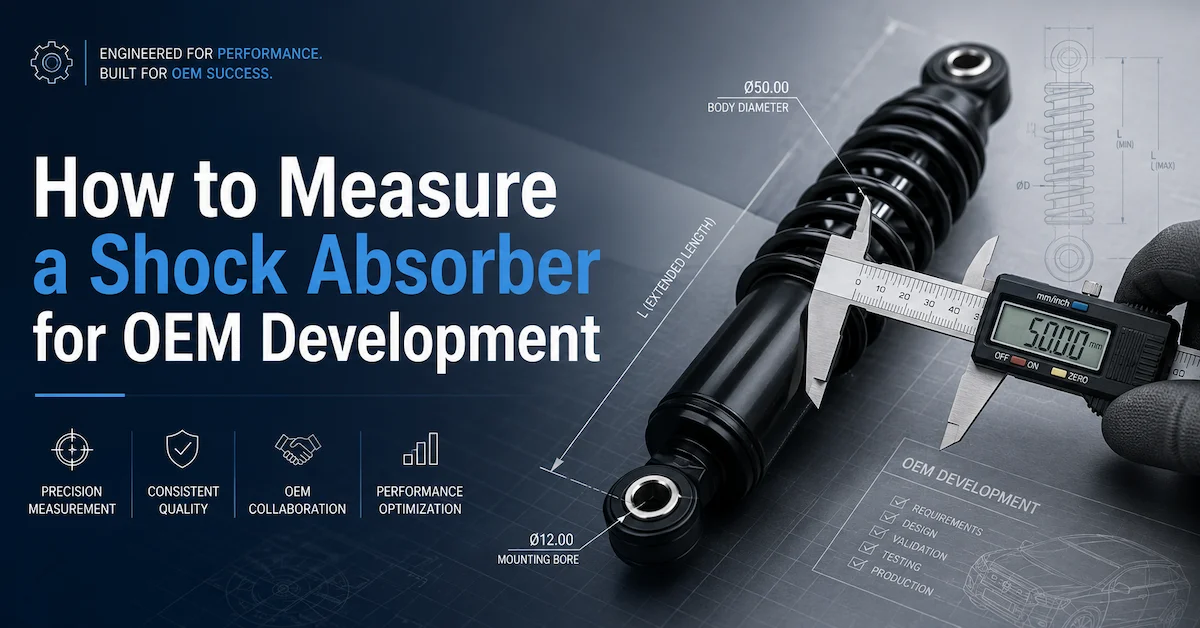

For OEM buyers, developing a suspension product requires more than selecting an existing shock absorber model. Different vehicles, operating environments, and market requirements often require customized damping performance, structural design, and production specifications.
OEM shock absorber customization allows vehicle manufacturers, distributors, and aftermarket brands to develop suspension components based on specific application requirements, performance targets, and product positioning.
From the initial concept discussion to final mass production, a professional customization process helps buyers reduce development risks, improve product consistency, and build long-term supply capability.
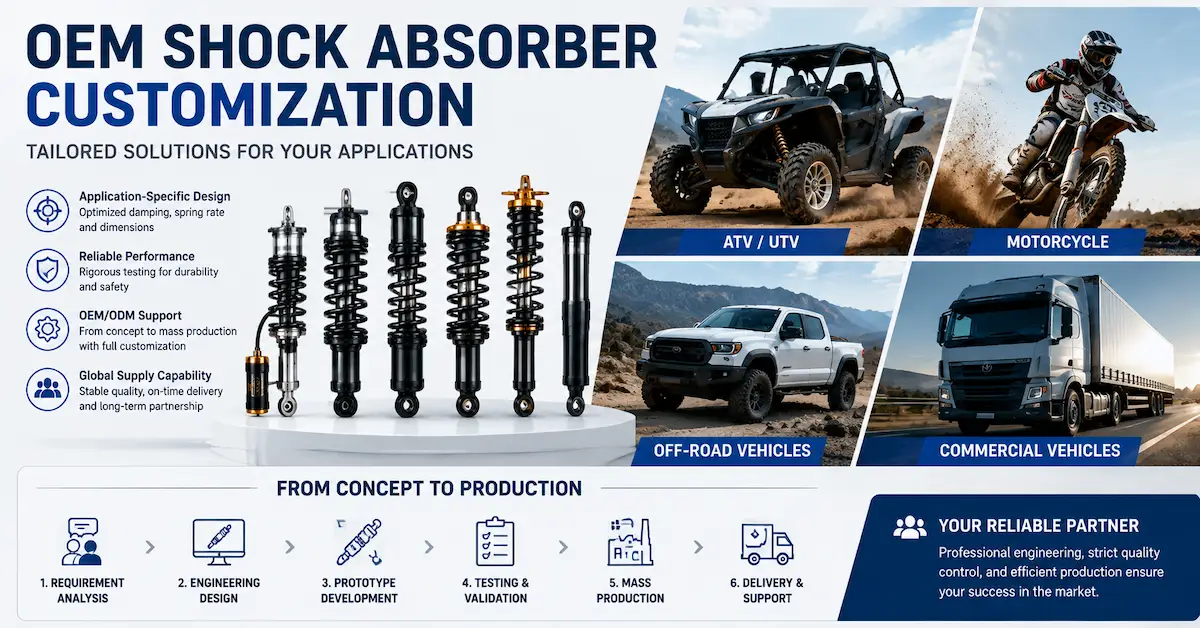
Why OEM Shock Absorber Customization Matters for Buyers
Many buyers start suspension projects with a common challenge: standard products cannot always meet their exact requirements.
Typical problems include:
- Limited product differentiation in competitive markets
- Poor compatibility with specific vehicle applications
- Difficulty achieving required damping performance
- Additional adjustment costs after production
- Unstable product consistency between batches
For OEM buyers and distributors, customization provides greater control over product specifications, performance characteristics, and market positioning.
A reliable development partner does not simply manufacture parts based on drawings. Instead, the supplier works with buyers to transform product concepts into practical production solutions.
The Complete OEM Shock Absorber Customization Process
A successful OEM project requires cooperation between the buyer and manufacturer throughout every development stage.
Step 1: Requirement Analysis and Project Evaluation
Every OEM project begins with understanding the application requirements.
Manufacturers typically review:
- Vehicle type and application environment
- Load requirements
- Installation dimensions
- Expected ride performance
- Durability requirements
- Target market conditions
During this stage, buyers define the main objectives of the project, while engineers evaluate technical feasibility.
A detailed requirement analysis helps prevent design changes later and creates a clear direction for the development process.
Step 2: Engineering Design and Technical Development
After confirming project requirements, engineers begin developing the suspension solution.
Key design factors include:
Damping Performance
The damping system must match the vehicle application and expected driving conditions.
Spring Rate Matching
The spring and shock absorber combination needs to provide suitable load support and handling characteristics.
Structural Design
Engineers evaluate:
- Cylinder structure
- Mounting dimensions
- Material selection
- Internal components
- Sealing performance
Through engineering analysis, OEM shock absorber customization can achieve a balance between performance requirements and production feasibility.
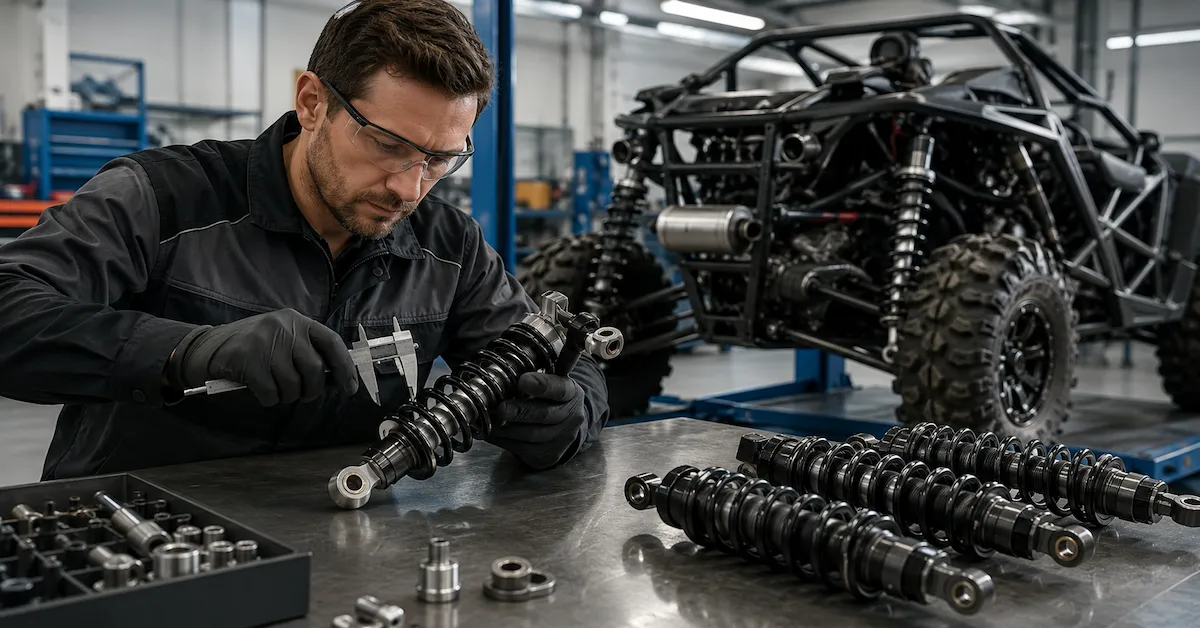
Step 3: Prototype Development and Testing
Before mass production, prototype samples are created for verification.
The prototype stage usually includes:
- Sample manufacturing
- Installation testing
- Performance evaluation
- Design optimization
- Customer approval
Prototype development allows buyers to confirm whether the product meets actual application requirements before committing to large-volume production.
For complex suspension projects, this step significantly reduces production risk.
Step 4: Quality Validation Before Mass Production
After prototype approval, manufacturers conduct quality validation before production scaling.
Typical validation processes include:
- Material inspection
- Dimensional measurement
- Performance testing
- Durability testing
- Batch consistency evaluation
A professional OEM shock absorber manufacturer should maintain standardized inspection procedures to ensure every production batch meets agreed specifications.
Step 5: Mass Production and Supply Management
Once the design is finalized, production moves into the manufacturing stage.
A complete production process includes:
- Raw material preparation
- Component machining
- Assembly
- Surface treatment
- Final inspection
- Packaging and shipment
For OEM projects, manufacturing consistency is critical because buyers need reliable products across thousands of units.
You can explore available shock absorber products here:
https://www.bedoauto.com/products
OEM vs Standard Shock Absorber Production
| Factor | Standard Shock Absorber | OEM Custom Shock Absorber |
|---|---|---|
| Design | Existing specification | Customer-specific development |
| Performance | General application | Optimized for target requirements |
| Development | Limited | Engineering collaboration |
| Branding | Limited options | Brand-specific solution |
| Flexibility | Lower | Higher |
| Market Differentiation | Limited | Strong |
Standard products may provide faster purchasing options, but OEM customization gives buyers stronger control over performance, branding, and market competitiveness.
Cost Factors in OEM Shock Absorber Development
Many buyers focus only on the unit price, but OEM projects involve multiple cost factors.
Product Development Cost
Engineering design, testing, and prototype development influence initial investment.
Tooling and Production Preparation
Certain customized structures may require additional production preparation.
Material and Component Selection
Different performance requirements can affect:
- Material grade
- Internal components
- Surface treatment
- Manufacturing complexity
Production Volume
Higher order quantities generally improve cost efficiency by distributing development and setup costs.
Understanding these factors helps buyers evaluate the total project value instead of comparing only initial quotations.
How Manufacturers Ensure OEM Product Consistency
For OEM buyers, consistent quality is one of the most important supplier evaluation factors.
Reliable manufacturers focus on:
- Standardized production procedures
- Incoming material inspection
- Process control
- Final product testing
- Batch traceability
A strong quality management system helps maintain stable performance throughout long-term production.
Applications of OEM Shock Absorber Customization
OEM customization is widely used in different suspension applications.
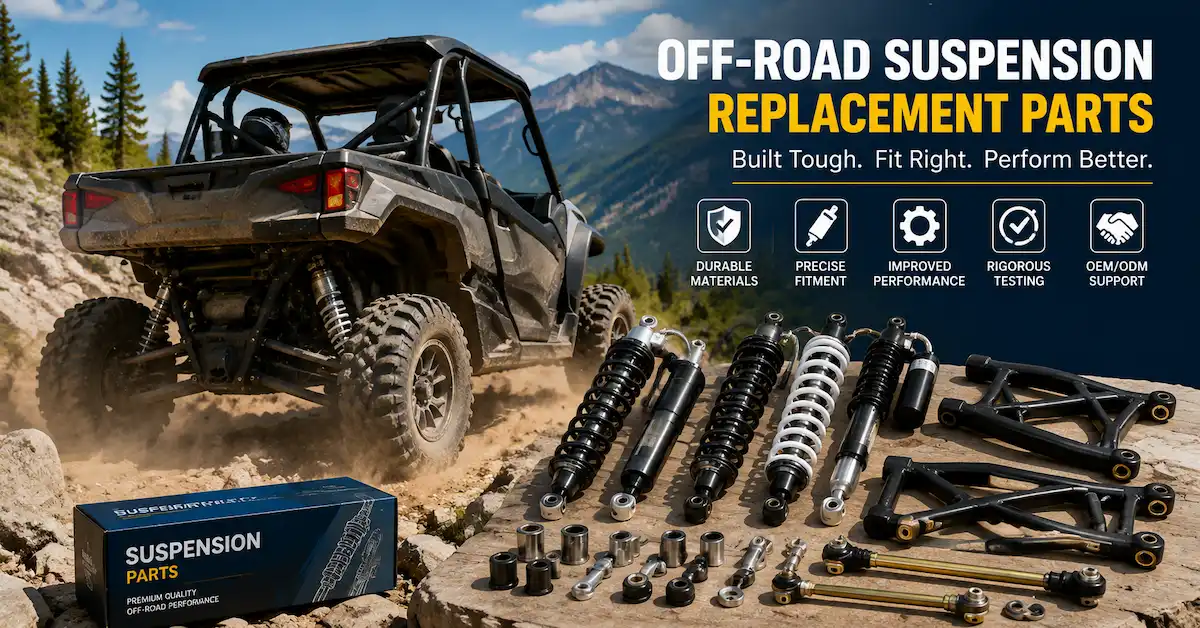
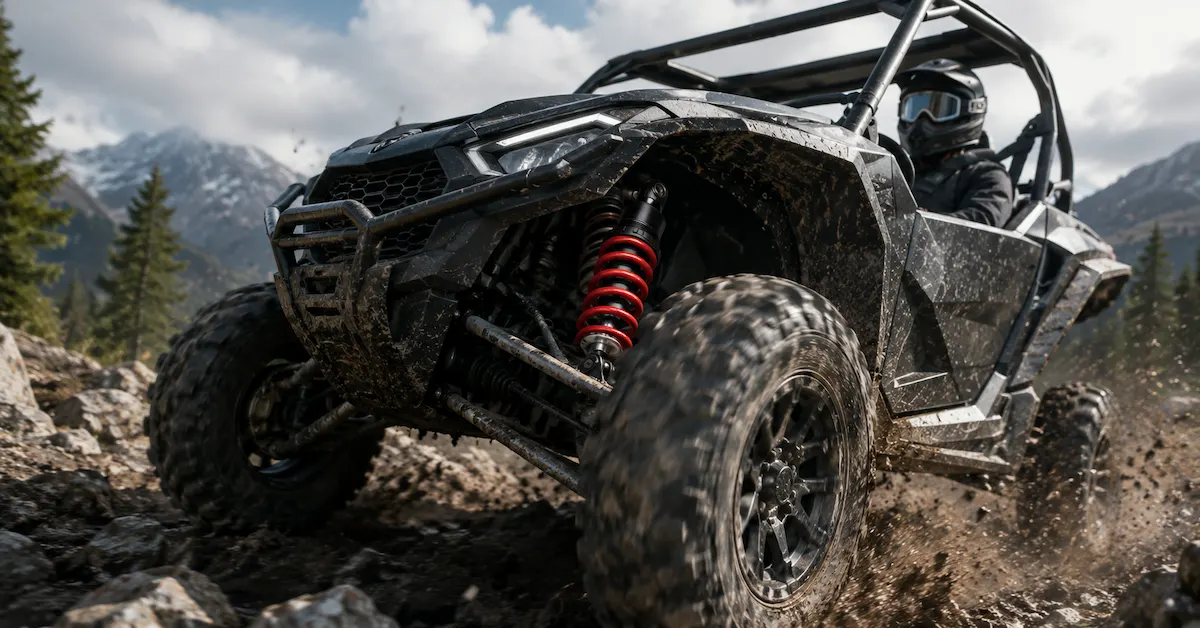
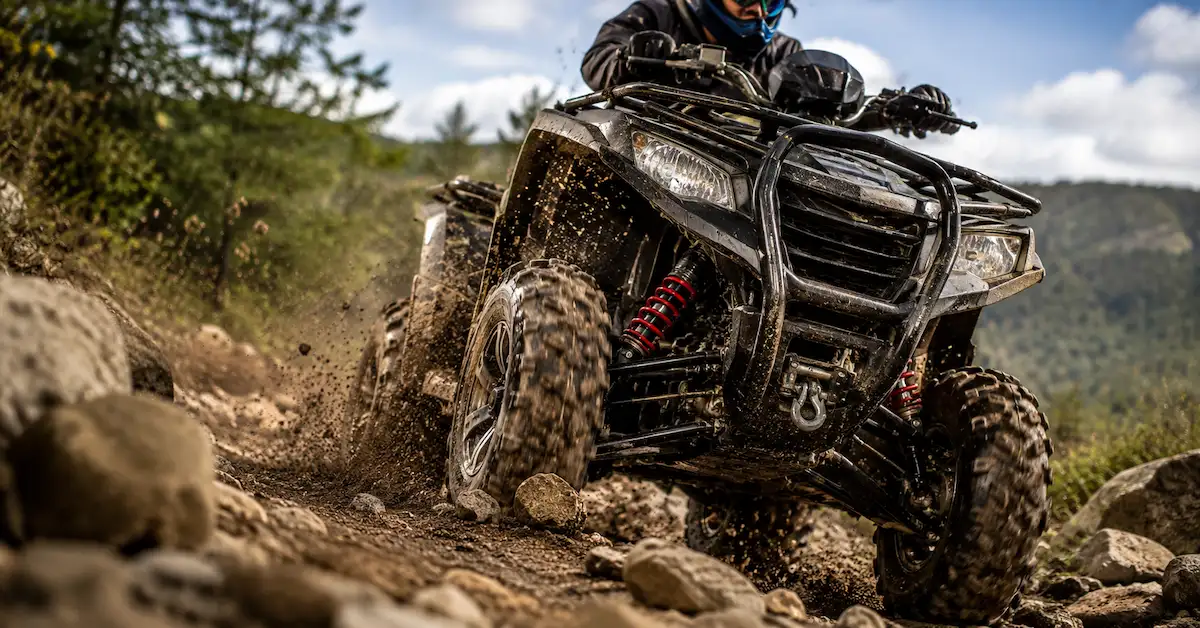
Off-Road Vehicles
Customized suspension systems help vehicles handle challenging terrain and changing loads.
Motorcycles and Powersports
Manufacturers optimize suspension performance for different riding requirements.
Commercial Vehicles
Heavy-duty applications require reliable components with stable long-term performance.
Aftermarket Suspension Brands
Private brands use customization to create differentiated product lines and improve market competitiveness.
How to Choose an OEM Shock Absorber Manufacturer
Choosing the right manufacturing partner directly affects project success.
Buyers should evaluate:
Engineering Capability
Does the supplier support design development, prototype testing, and technical improvement?
Manufacturing Capability
Can the supplier handle both prototype projects and large-scale production?
Quality Control System
Does the supplier have standardized inspection and testing procedures?
OEM Experience
Has the manufacturer completed similar customization projects?
Communication Efficiency
Can technical requirements be clearly understood and implemented?
Learn more about Bedo’s OEM manufacturing capabilities:
https://www.bedoauto.com/about-us
OEM Shock Absorber Customization for Different Buyer Types
| Buyer Type | Main Requirement |
|---|---|
| Vehicle Manufacturers | Custom specifications and stable production |
| Suspension Distributors | Reliable supply and product differentiation |
| Aftermarket Brands | Private label and market flexibility |
| Fleet Operators | Durability and lifecycle performance |
Different buyers may have different priorities, but manufacturing capability, quality consistency, and communication remain essential factors.
Frequently Asked Questions
Can OEM shock absorbers be fully customized?
Yes. Manufacturers can customize dimensions, damping performance, spring rate, structure, and other specifications according to project requirements.
How long does OEM shock absorber customization take?
The timeline depends on product complexity, prototype requirements, testing procedures, and production preparation.
What information is required for OEM shock absorber development?
Buyers usually need to provide application details, technical specifications, vehicle information, and expected performance targets.
What is the MOQ for OEM shock absorber projects?
MOQ depends on customization complexity, production requirements, and supplier manufacturing capabilities.
How do manufacturers ensure quality during mass production?
Professional manufacturers use standardized processes, inspection procedures, and batch testing to maintain consistent product performance.
Build Reliable Suspension Products Through OEM Development
Successful suspension products require more than manufacturing capability. They require engineering cooperation, quality control, and stable production management.
OEM shock absorber customization helps buyers transform product concepts into production-ready solutions with controlled performance, reliable quality, and scalable manufacturing.
At Bedo, we support global customers through product development, prototype validation, and mass production to deliver customized suspension solutions.
For OEM project consultation or technical requirements, please:
Contact our engineering team:
https://www.bedoauto.com/contact-us