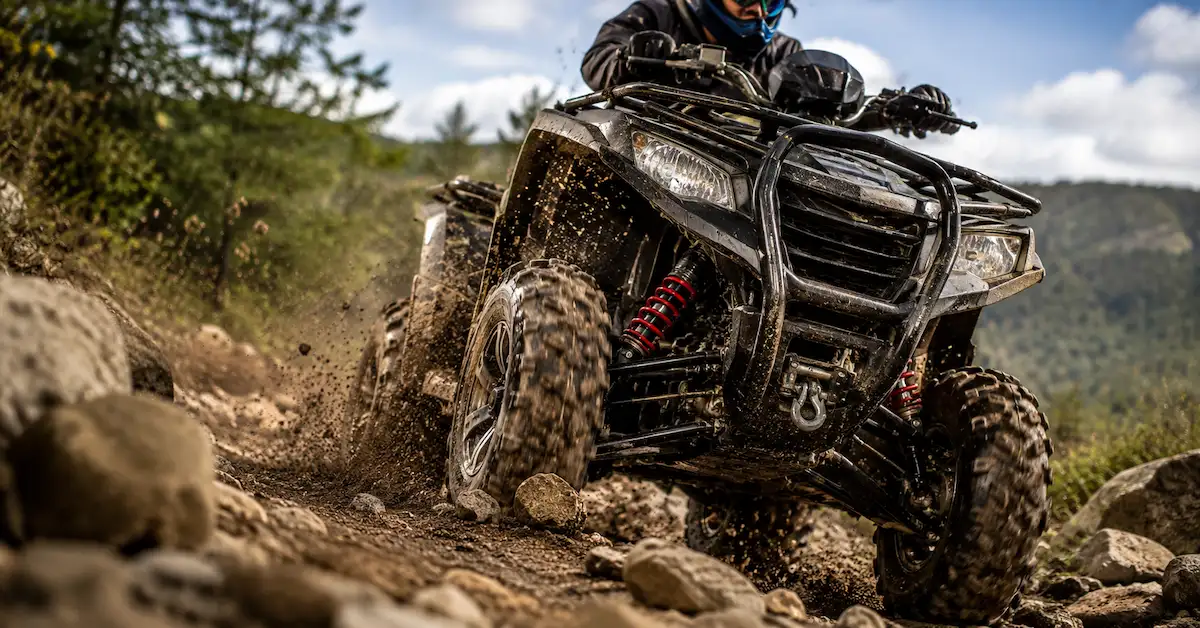

In off-road environments, suspension failure is not just a performance issue—it directly impacts operational cost and business continuity.
Rough terrain, repeated impact, and heavy loads accelerate wear, especially when low-quality components are used. For distributors and OEM buyers, this often leads to:
- Frequent product returns
- Increased maintenance cost
- Customer complaints
- Inventory instability
A properly engineered off-road shock absorber helps reduce these risks by improving durability and ensuring consistent performance across different environments.
What B2B Buyers Actually Evaluate Before Purchasing
For professional buyers, product specs alone are not enough.
Key decision factors include:
- Can the supplier ensure consistent batch quality?
- Is MOQ flexible for testing and scaling?
- What is the realistic lead time?
- How stable is long-term supply?
- Can customization support different models?
Choosing an off-road shock absorber supplier is ultimately about reducing uncertainty in supply, not just selecting a product.
How Off-Road Shock Absorber Systems Work Under Load
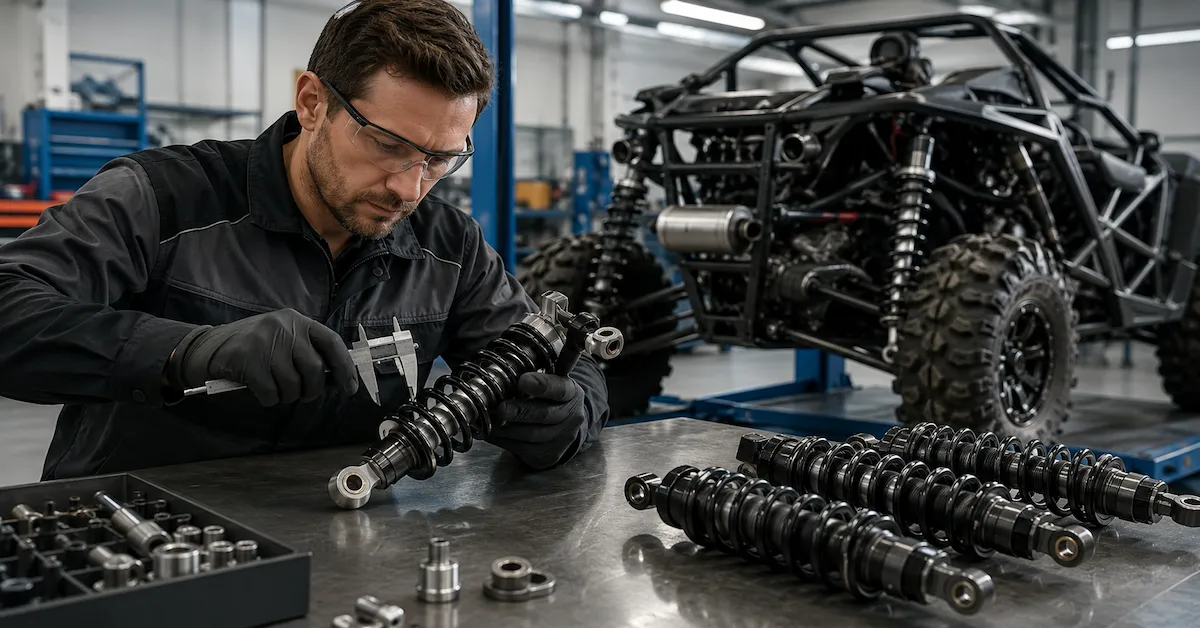
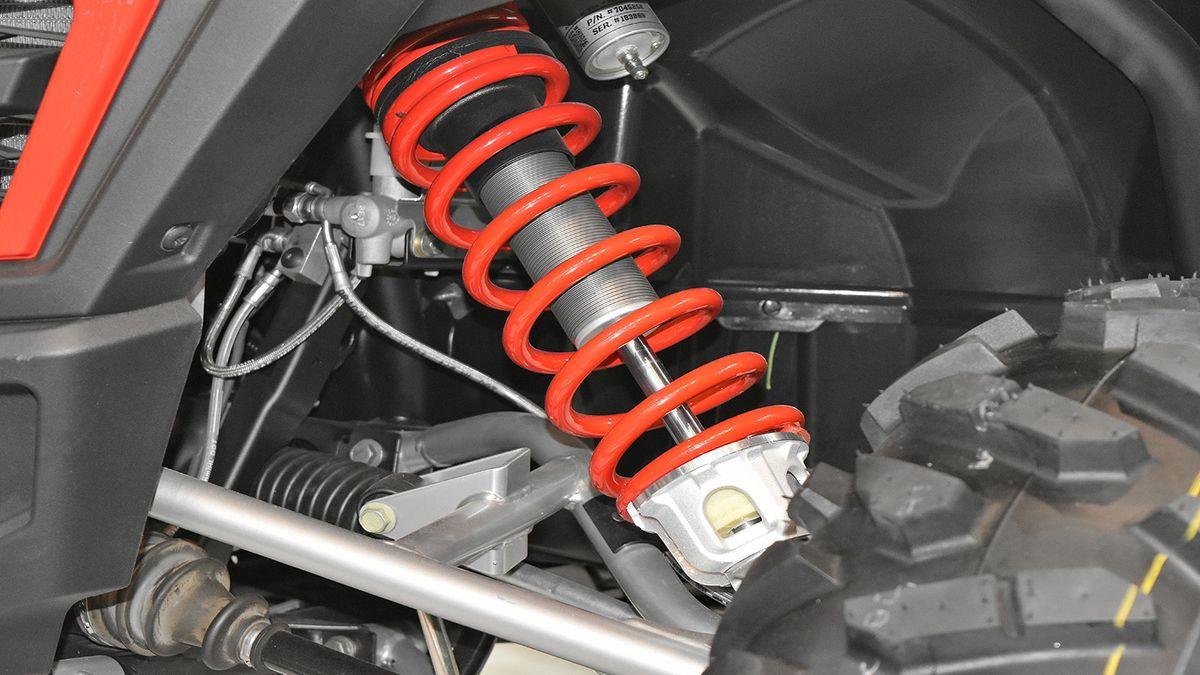
An off-road shock absorber absorbs and controls energy generated by terrain impact.
Core structure:
- Coil spring → supports load
- Damping system → controls compression and rebound
- Seal system → maintains internal stability
- Mounting → ensures alignment
The balance between spring rate and damping force determines real-world performance.
Key Technical Specifications Buyers Must Compare
| Item | Specification |
|---|---|
| Spring Rate | 100–250 N/mm |
| Material | Heat-treated alloy steel |
| Surface Treatment | Anti-corrosion coating |
| Damping Type | Hydraulic / gas-assisted |
| Lifespan | 80,000–120,000 cycles |
These specs directly influence durability, cost, and application fit
Material Choice and Its Impact on Total Cost
Material is one of the biggest cost drivers.
- Standard steel → lower upfront cost, shorter lifespan
- Alloy steel + heat treatment → higher durability, lower replacement frequency
For B2B buyers:
A cheaper off-road shock absorber may reduce purchase price, but increases total lifecycle cost due to frequent replacements.
Comparison: Price vs Lifecycle Value
| Type | Unit Cost | Lifespan | Total Cost |
|---|---|---|---|
| Low-cost Shock | Low | Short | High |
| Heavy-Duty Off-Road Shock Absorber | Medium | Long | Lower over time |
| Adjustable Shock | Higher | Long | Optimized performance |
It's not about choosing the lowest price, but about choosing the option with the best long-term cost.
Solution: How to Build a Reliable Suspension Supply System
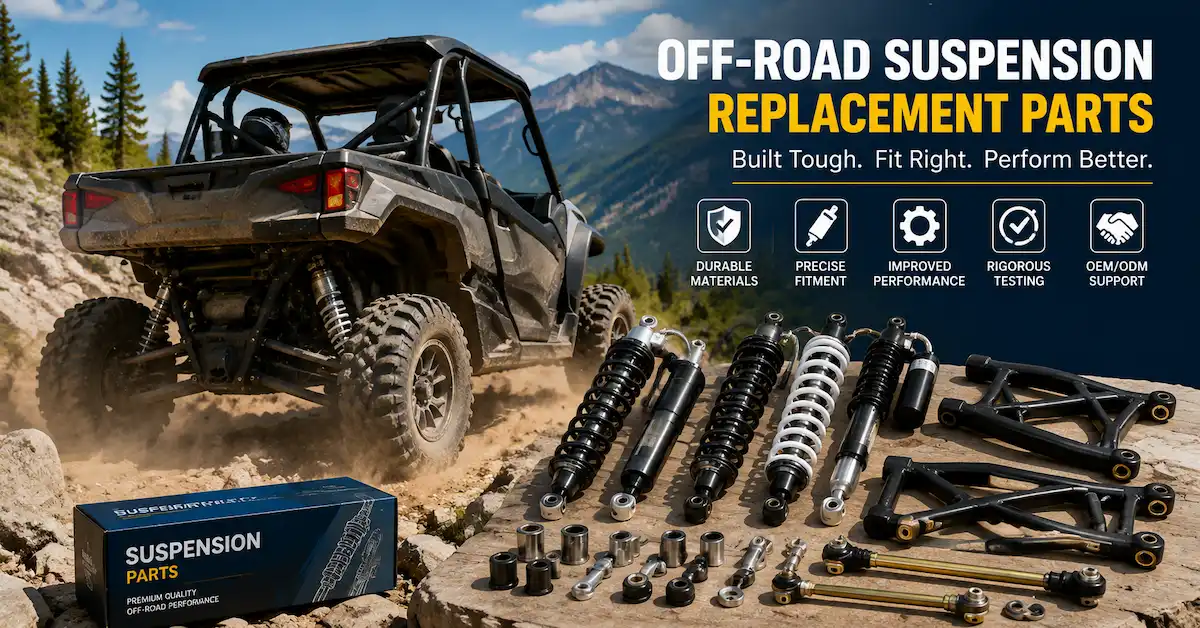
Instead of comparing single products, buyers should focus on:
- Matching spring and damping systems
- Stable supplier production capability
- Consistent quality control
- Ability to support scaling orders
Product solution reference:
https://www.bedoauto.com/products
Why the Right Supplier Reduces Business Risk
Stable Production
Ensures consistency across multiple batches
Flexible MOQ
Supports both testing orders and bulk production
Predictable Lead Time
Helps planning and inventory management
Technical Support
Improves product matching and reduces failure
Real Application Scenarios That Drive Purchasing Decisions
- Off-road vehicles in extreme terrain
- Agricultural and utility fleets
- Construction site transport
- Heavy-load operations
In these scenarios, a reliable off-road shock absorber ensures long-term operational stability.
Cost & Risk: What Most Buyers Overlook
Hidden Costs:
- Frequent replacement
- Downtime during maintenance
- Warranty returns
Supply Risks:
- Inconsistent quality
- Delayed delivery
- Limited customization
Correct strategy:
Choose a stable supplier, not the lowest bidder.
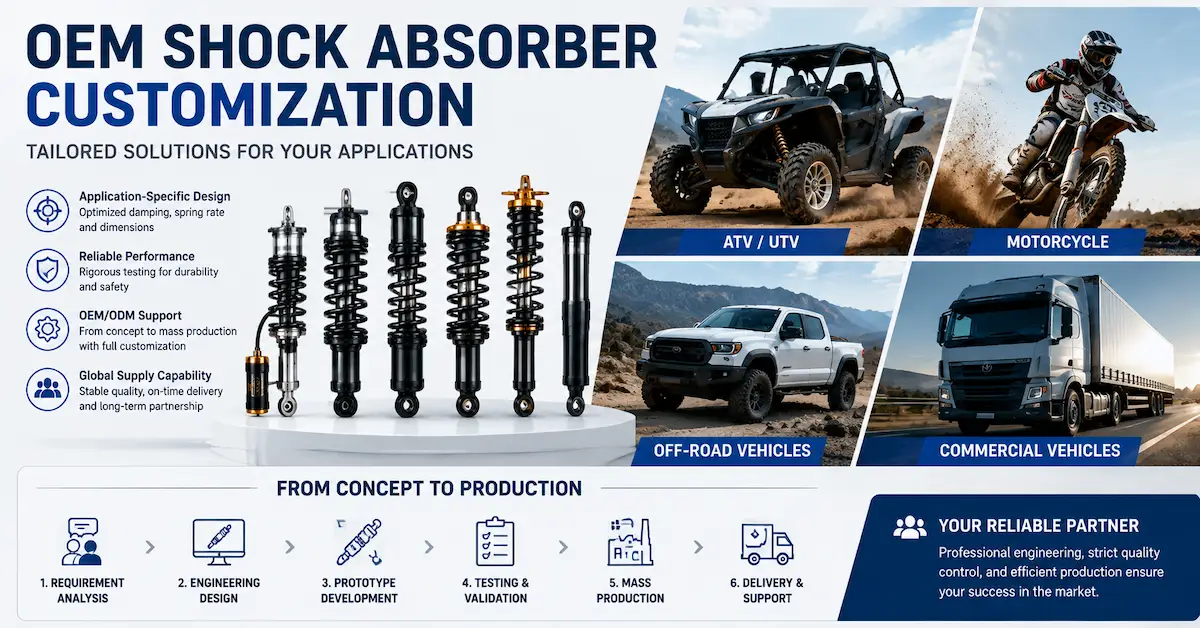
OEM / Customization Capability
A reliable supplier should provide:
- Custom spring rate and damping tuning
- Flexible MOQ for different order stages
- Branding and private label support
- Stable batch production
- Fast response for urgent orders
Enterprise Capabilities Reference:
https://www.bedoauto.com/about-us
Frequently Asked Questions
Q1: How do I choose the right off-road shock absorber for my project?
Focus on terrain, load conditions, and durability requirements. Matching spring rate and damping is critical for performance.
Q2: Can off-road shock absorbers be customized for OEM orders?
Yes. Customization includes size, spring rate, damping, and branding to match specific vehicle requirements.
Q3: What affects the total cost of off-road shock absorbers?
Material quality, production process, order quantity, and lifespan all influence total cost—not just unit price.
A Better Procurement Strategy Starts with the Right Supplier
Choosing the right off-road shock absorber is not only about performance—it is about cost control, supply stability, and long-term cooperation.
At Bedo, we help OEM buyers and distributors reduce sourcing risk with consistent production, flexible customization, and reliable delivery capability.
Official website:
https://bedoauto.com
Get a quote:
https://www.bedoauto.com/contact-us