
In suspension systems, small calculation errors create large performance gaps.
If the spring rate is too soft, the vehicle sags under load. Too stiff, and it loses comfort and traction. In fleet or OEM production, this mismatch leads to repeated adjustments, increased cost, and inconsistent ride quality.
A custom spring rate calculator tool helps eliminate guesswork by translating real-world load conditions into accurate spring specifications.
For OEM buyers and fleet operators, this directly impacts suspension performance consistency, product reliability, and long-term cost control.
How Spring Rate Calculation Works in Practice
Spring rate is not just a number—it reflects how the suspension reacts under load.
Key inputs used in calculation:
- Vehicle weight and distribution
- Expected load variation (cargo, passengers)
- Suspension travel distance
- Mounting geometry and leverage ratio
A custom spring rate calculator tool processes these inputs to generate a target spring stiffness value, typically measured in N/mm. This ensures that compression and rebound behavior remain stable across operating conditions.
Manual Estimation vs Calculator-Based Approach
| Method | Manual Estimation | Custom Spring Rate Calculator Tool |
|---|---|---|
| Accuracy | Approximate | Data-driven |
| Time Required | Long | Fast |
| Consistency | Varies by experience | Standardized |
| Application Fit | General | Vehicle-specific |
| Cost Impact | Higher (trial & error) | Reduced adjustment cost |
Using a custom spring rate calculator tool allows engineers and buyers to align suspension design with actual use cases from the start.
One common mistake is relying on manual estimation or past experience without data validation. Inconsistent spring rates can lead to uneven load distribution, increased wear, and repeated design adjustments, significantly raising development and maintenance costs.
Solution: Integrating Calculation into Suspension Development
Rather than relying on experience alone, modern suspension development integrates calculation tools early in the process.
A typical workflow includes:
- Input real vehicle load data
- Calculate target spring rate
- Match with damper characteristics
- Validate through testing
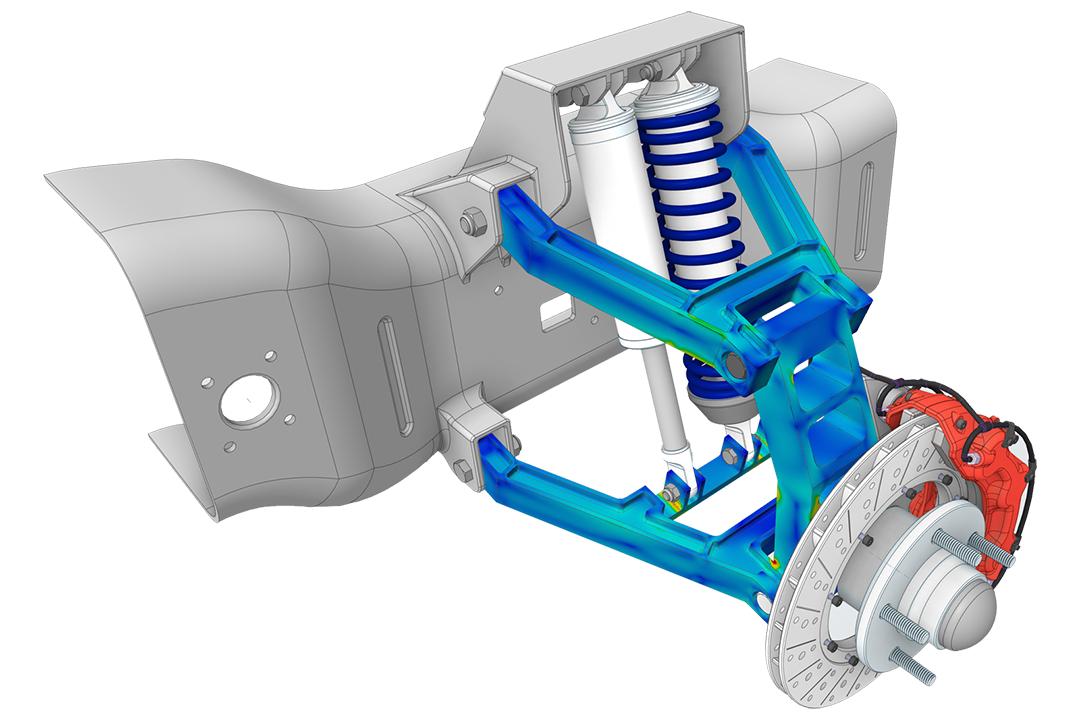
This approach ensures that springs and shock absorbers work together as a system.
While manual calculation may seem sufficient in early stages, using a custom spring rate calculator tool reduces long-term development cost by minimizing trial-and-error and improving first-time accuracy.
Explore matched suspension systems here:
https://www.bedoauto.com/products
Why Calculation Tools Improve Long-Term Performance
Reduced Development Time
Accurate initial values reduce repeated testing cycles.
Better Ride Stability
Correct spring rate maintains balance under different loads.
Lower Maintenance Cost
Avoids premature wear caused by incorrect stiffness.
Improved Product Consistency
Ensures uniform performance across batches in OEM production.
For bulk production and OEM applications, these benefits ensure consistent suspension behavior across batches, reducing warranty risk and improving product standardization.
Real Application Scenarios
- OEM Vehicle Development: Designing suspension for new models
- Fleet Maintenance: Standardizing replacement springs
- Aftermarket Upgrades: Improving ride comfort and handling
- Heavy-Duty Applications: Managing load variation in utility vehicles
In these cases, a custom spring rate calculator tool supports more reliable decision-making.
For OEM buyers, distributors, and fleet operators, accurate spring rate calculation is essential for ensuring consistent performance across multiple vehicles and reducing long-term maintenance and production risk.
Selection Advice for Buyers and Engineers
When using or choosing a calculation solution, focus on:
- Input flexibility (load, geometry, travel)
- Compatibility with different suspension types
- Ability to match with damper performance
- Support from a manufacturer with real testing data
- Integration with production capabilities
Choosing a supplier that combines calculation tools with real manufacturing capability helps ensure that design data can be directly translated into reliable production output.
Learn more about technical support here:
https://www.bedoauto.com/about-us
Frequently Asked Questions
Q1: Can spring rate calculations be customized for OEM suspension design?
Yes. Manufacturers and engineers can adjust parameters based on vehicle weight, load conditions, and performance requirements.
Q2: Why is accurate spring rate important for fleet vehicles?
Correct spring rate ensures balanced load distribution, improves durability, and reduces maintenance frequency across multiple vehicles.
Q3: How does a spring rate calculator reduce production risk?
It helps standardize specifications, minimize design errors, and ensure consistency in bulk manufacturing.
Turning Data into Better Suspension Performance
For OEM projects and fleet applications, accurate suspension design starts with the right calculation method and the right manufacturing partner.
If you are evaluating custom spring rate calculator tool solutions, working with a supplier that supports both engineering validation and bulk production can significantly reduce development risk and improve long-term performance.
Visit:
https://bedoauto.com
Request technical support or quotation:
https://www.bedoauto.com/contact-us