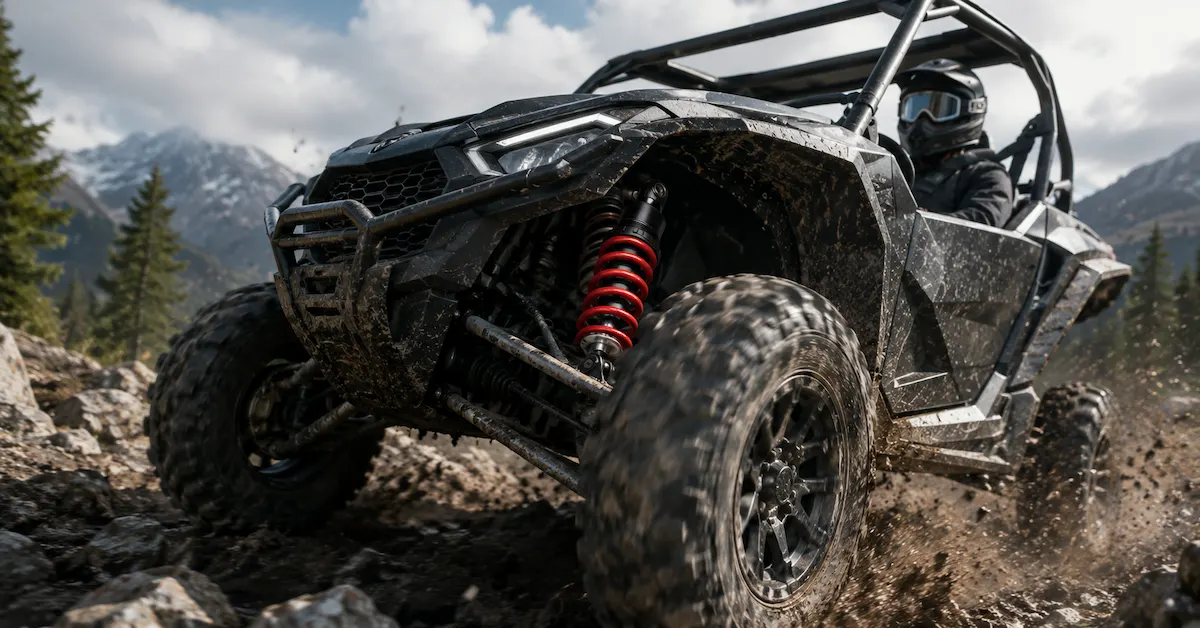
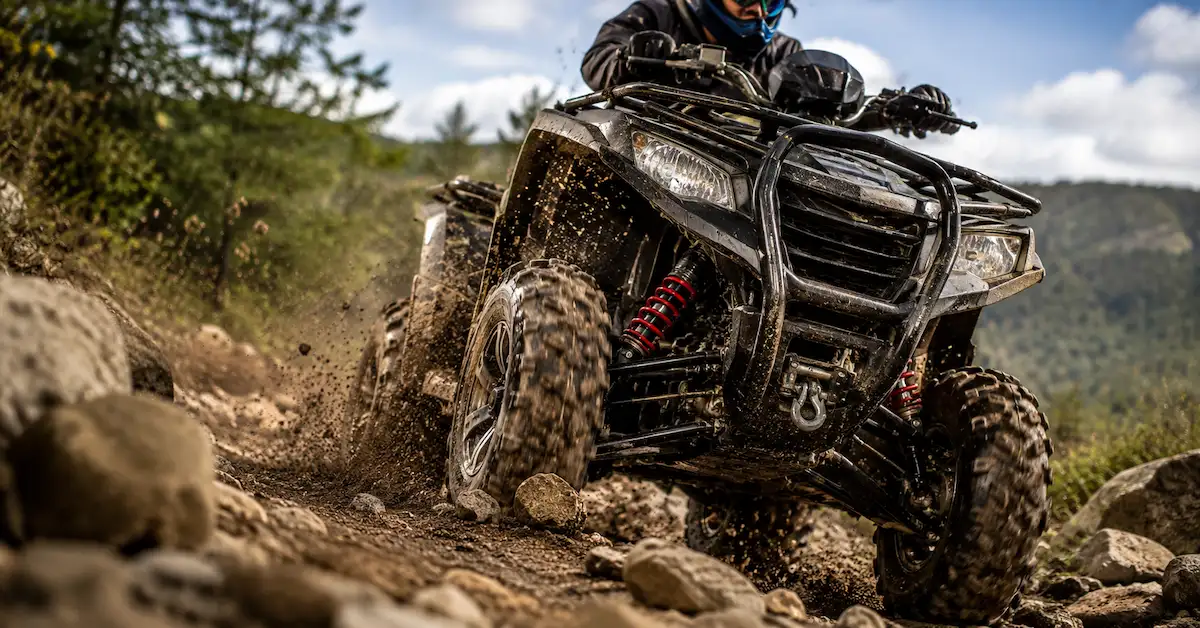
Bedo Auto 支持针对不同越野应用的样品评估和定制悬架开发。项目要求可以通过联系我们页面提交。
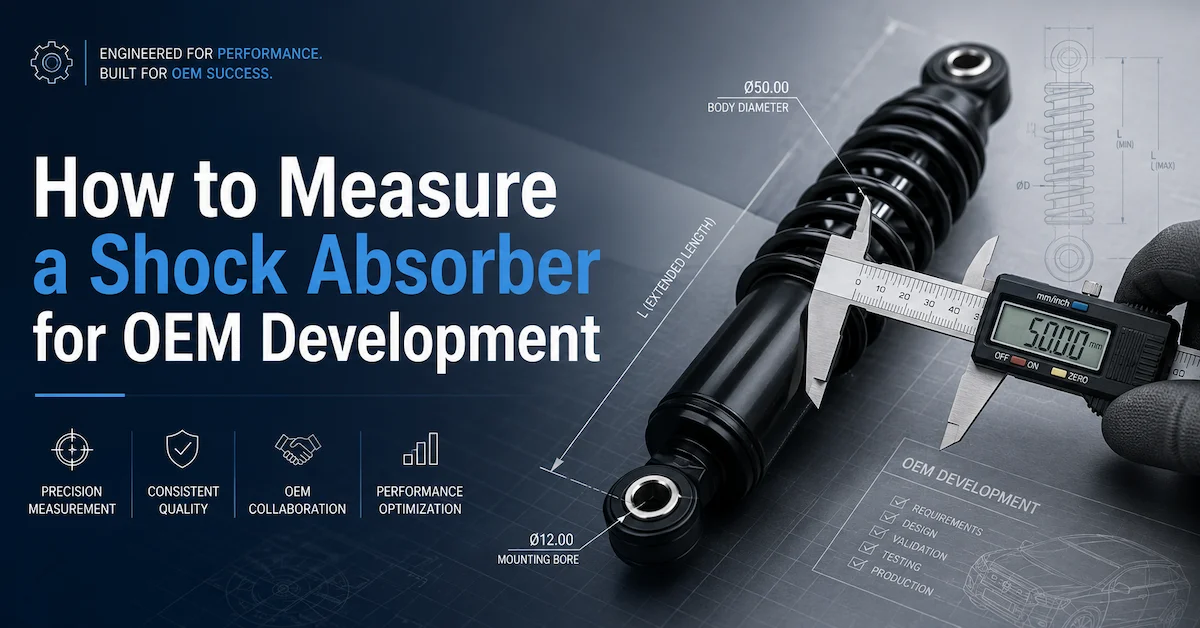
基于图纸的 OEM 开发
技术图纸为新车和 OEM 项目提供更清晰的参考。
绘图可以定义:
产品尺寸
安装孔直径
安装宽度
扩展和压缩长度
有效行程
主体和杆尺寸
弹簧尺寸
材料要求
表面处理
容差范围
徽标和标记位置
生产前,工厂应检查图纸:
制造可行性
安装许可
结构强度
安装对齐
组件干扰
笔画与长度的关系
材料适用性
容差控制
表面处理兼容性
早期工程审查有助于防止重复的原型更改并降低开发成本。
减震器开发
减震器是越野悬架系统中的核心运动控制部件。
它们控制悬架在撞击后压缩和反弹的速度。
重要的减震器规格包括:
扩展长度
压缩长度
有效行程
活塞直径
活塞杆直径
油量
气压
压缩力
回弹力
安装尺寸
水库设计
调整范围
减震器可能在物理上适合车辆,但如果其阻尼与弹簧和工作负载不匹配,性能仍然很差。
专业的越野悬架零部件工厂应该把阻尼力作为受控的技术指标。
螺旋弹簧开发
螺旋弹簧支撑车辆、骑手、乘客、货物、电池和配件。
Spring 性能取决于:
线材
线径
线圈直径
活动线圈计数
自由长度
弹簧刚度
热处理
表面处理
经营旅行
弹簧太软可能会导致:
过度下垂
离地间隙减小
频繁触底
负载稳定性差
弹簧太硬可能会导致:
严酷骑行
减少轮胎接触
对小颠簸的响应较差
振动过度
弹簧规格应根据车辆重量、有效负载、悬架几何形状、所需下垂和地形来制定。
套管和安装组件
衬套、安装孔和连接硬件通常比主减震器小,但它们强烈影响悬架的可靠性。
劣质套管可能会导致:
噪音
安装松动
移动过多
对齐不良
加速磨损
暂停响应不稳定
重要的套管和安装规格包括:
孔径
安装宽度
材料强度
橡胶硬度
粘合质量
尺寸公差
表面处理
对齐
工厂应一起评估减震器及其安装系统。
活塞杆质量
活塞杆在每个悬架循环期间穿过密封系统。
其质量影响:
密封寿命
内部摩擦
平滑移动
油保留
耐腐蚀
结构强度
常见的活塞杆问题包括:
划痕
腐蚀
弯曲
表面处理不良
直径不正确
侧面加载过多
损坏的杆表面可能会迅速破坏密封件并导致漏油。
因此,工厂应控制棒材、直线度、表面光洁度、硬度和防护处理。
储层和热管理组件
储液器减震器通常用于要求苛刻的越野应用。
水库可以提供:
油量增加
额外天然气容量
压力更稳定
改进热量管理
更强的抗阻尼衰减能力
常见结构包括:
背负式水库
背负式储液器直接连接到减震器主体上。
它提供紧凑的集成结构,但需要足够的安装间隙。
远程水库
远程水库通过软管连接。
它提供了更大的安装灵活性,但需要仔细控制:
软管长度
软管布线
耐磨保护
连接密封
水库安装
暂停许可
并非所有车辆都需要水库。该结构应与应用程序和操作占空比相匹配。
可调节悬架组件
可调悬架系统可能包括:
弹簧预载调节器
回弹调节器
压缩调节器
高速压缩调节器
低速压缩调节器
长度调整机制
调节功能可以帮助车辆适应:
不同的骑手体重
更改负载
可变地形
比赛条件
公用设施工作
客户偏好
但是,额外的调节器会增加产品的复杂性。
可靠的工厂应确保:
调整位置可重复
旋钮和螺纹操作顺畅
使用过程中设置不会松动
最小和最大头寸仍然安全
阻尼变化是可测量的
标记清晰
更多点击或调整位置不会自动产生更好的悬浮效果。有效射程比数量更重要。
越野部件的材料选择
越野悬架组件在冲击、振动、高温、污染和环境暴露下工作。
材料选择应考虑:
结构强度
抗疲劳
耐磨性
热传递
腐蚀防护
加工精度
组件权重
目标费用
不同的组件可能使用:
钢
铝
橡胶
弹性体
工程密封材料
保护涂层
最强或最重的材料并不总是最佳解决方案。完整的设计必须平衡耐用性、重量、热量控制和生产成本。
表面处理和腐蚀防护
越野悬架部件可能会暴露于:
水
泥土
灰尘
下雪
沙子
道路用盐
Cleaning chemicals
High humidity
Coastal air
Surface-treatment options may include:
Painting
Powder coating
Plating
Anodizing
Polishing
Protective finishing
The correct treatment depends on the component material and operating environment.
Final surface inspection should check:
Coating coverage
Adhesion
Scratches
Exposed metal
Color consistency
Thread protection
Logo position
Surface defects
Sealing and Contamination Control
Mud, sand, dust, and water can damage seals and internal shock components.
A suitable sealing system may include:
Oil seals
Dust seals
Wipers
Guide components
Protective boots
Rod coatings
Poor sealing may cause:
Oil leakage
Increased friction
Damaged piston rods
Inconsistent damping
Reduced service life
Assembly cleanliness is also important.
Contamination inside the shock absorber may affect oil flow, valves, seals, and damping consistency.
Quality Control in Suspension Component Production
Quality control should cover materials, machining, dimensions, assembly, performance, appearance, and packaging.
Incoming Material Inspection
The factory should inspect:
Tubes
Piston rods
Springs
Seals
Bushings
Machined parts
Mounting components
Reservoir components
Hoses and fittings
Dimensional Inspection
Critical dimensions may include:
Extended length
Compressed length
Effective stroke
Mounting width
Hole diameter
Spring length
Spring diameter
Rod diameter
Body diameter
Reservoir position
Assembly Control
The production process should control:
Component cleanliness
Seal installation
Valve assembly
Oil filling
Gas charging
Tightening torque
Spring preload
Adjustment functions
Mounting alignment
Leakage Testing
Finished shock absorbers should be checked for:
Oil leakage
Pressure loss
Hose leakage
Seal damage
Surface contamination
Functional Testing
The shock absorber should move smoothly without:
Sticking
Abnormal noise
Excessive friction
Uneven resistance
Adjustment failure
Damping Verification
Compression and rebound forces should be compared with approved specifications when performance testing is required.
Final Inspection
Final checks should include:
Surface finish
Critical dimensions
Product color
Logo position
Labels
Packaging
Quantity
Carton condition
Why Prototype Testing Is Important
A prototype allows buyers to evaluate:
Installation compatibility
Mounting clearance
Suspension travel
Spring support
Compression response
Rebound recovery
Reservoir position
Adjustment access
Product appearance
Testing should reflect realistic operating conditions.
A component intended for a loaded UTV should not be approved only through an unloaded workshop test. Similarly, a racing ATV component should be evaluated under suitable terrain and impact conditions.
Why Small-Batch Validation Reduces Risk
One prototype confirms the design concept, but a pilot batch helps confirm production consistency.
Small-batch validation may reveal:
Dimensional variation
Spring-rate inconsistency
Damping differences
Leakage risks
Adjustment problems
Surface defects
Mounting issues
Packaging errors
Installer feedback
This stage helps B2B buyers reduce the risk of placing a large order before the product and production process are fully verified.
Complete Assembly vs Individual Component Sourcing
Evaluation point
Complete suspension assembly
Individual components
Purchasing complexity
Lower
Higher
Assembly responsibility
Factory
Buyer
Performance matching
Managed as a system
Buyer must coordinate components
Customization
Complete solution
Component-specific
Quality control
Factory-level final inspection
Buyer requires incoming and assembly control
Best suited for
Brands and distributors
Vehicle factories and suspension assemblers
The correct sourcing model depends on the buyer’s manufacturing capabilities.
Brands and wholesalers often prefer complete assemblies. Vehicle manufacturers with internal assembly lines may source individual shock bodies, springs, bushings, and mounting components.
Standard Supplier vs Off-Road Suspension Component Factory
Evaluation point
Standard parts supplier
Custom suspension factory
Product range
Existing components
Custom assemblies and individual parts
Dimensions
Fixed
Developed from samples or drawings
Materials
Standard
Selected for application requirements
Spring rate
Fixed
Customized
Damping
General setting
Application-specific
Branding
Limited
Logo, color, label, and packaging
Prototype support
Limited
Available
Small-batch validation
Not always available
Suitable for new projects
Best application
General replacement
OEM, ODM, private-label, and special vehicles
A standard supplier may be suitable for common replacement demand. A custom factory provides greater value when technical differentiation, fitment accuracy, or long-term product development is required.
How to Evaluate an Off-Road Suspension Component Factory
Before choosing a supplier, buyers should evaluate its engineering, manufacturing, testing, and communication capabilities.
Engineering Capability
Confirm whether the factory can:
Review samples
Review technical drawings
Analyze vehicle applications
Confirm mounting geometry
Develop spring specifications
Adjust damping
Evaluate materials
Produce prototypes
Document approved standards
Manufacturing Capability
Evaluate:
Machining accuracy
Spring-production control
Assembly procedures
Material management
Surface-treatment control
Small-batch flexibility
Mass-production capacity
Batch traceability
Repeat-order consistency
Testing Capability
Ask whether the supplier can support:
Dimensional inspection
Spring inspection
Leakage testing
Functional testing
Damping verification
Adjustment testing
Surface inspection
Final packaging inspection
Communication Capability
A professional supplier should ask about:
Vehicle category
Vehicle weight
Payload
Installation position
Terrain
Suspension travel
Mounting dimensions
Target performance
Order quantity
A supplier that provides a quotation from a photograph alone may overlook critical technical risks.
How Bedo Auto Supports Off-Road Suspension Projects
As an off-road suspension component factory, Bedo Auto supports customized shock absorbers, suspension springs, and related components for ATV, UTV, motorcycle, electric motorcycle, snowmobile, beach buggy, and specialty vehicle applications.
Project support can include:
Sample analysis
Technical drawing review
Application evaluation
Mounting-dimension confirmation
Spring-rate development
Compression and rebound adjustment
Reservoir configuration
Bushing and mounting customization
Material selection
Surface-treatment customization
Prototype production
Small-batch validation
OEM and ODM branding
Customized labels and packaging
Repeat production support
Buyers can learn more about Bedo Auto through the About Us page.
For custom suspension components, samples, drawings, technical specifications, and purchasing requirements can be submitted through the Contact Us页面。
FAQ
What products can an off-road suspension component factory manufacture?
The factory may manufacture shock absorbers, coil springs, piston rods, shock bodies, bushings, mounting eyes, spring seats, reservoirs, adjusters, and related connection parts.
Can suspension components be developed from samples?
Yes. Samples can provide structural and dimensional references. Vehicle information and performance requirements should also be supplied.
Can individual suspension components be customized?
Yes. Dimensions, materials, spring rates, damping, surface treatments, mounting structures, logos, labels, and packaging can be customized.
Can a factory provide complete suspension assemblies?
Yes. Depending on its capabilities, the factory may supply complete shock absorbers, suspension kits, semi-finished assemblies, or individual parts.
Why should spring rate and damping be developed together?
The spring supports the load, while damping controls suspension movement. Incorrect matching may cause bouncing, harshness, bottoming, or poor traction.
Is small-batch production useful?
Yes. A pilot batch allows buyers to verify dimensions, fitment, performance, surface quality, packaging, and production consistency before mass production.
Can Bedo Auto support OEM and ODM projects?
Yes. Bedo Auto supports sample-based and drawing-based development, technical customization, prototype production, small-batch validation, branding, packaging, and repeat manufacturing.
Conclusion
Choosing a reliable off-road suspension component factory helps vehicle brands, manufacturers, importers, and aftermarket companies control suspension fitment, performance, durability, branding, and supply consistency.
The suspension system should be developed as a complete combination of shock absorbers, springs, bushings, mounts, sealing components, reservoirs, and adjustment mechanisms. Changing one component without evaluating the others may create new handling or reliability problems.
Through sample analysis, drawing review, material selection, spring and damping development, prototype testing, small-batch validation, and controlled OEM/ODM production, Bedo Auto supports off-road suspension component projects for global B2B buyers.