
Conquering Extreme Cold with -40°C Snowmobile Shock Spring Technology in Russia
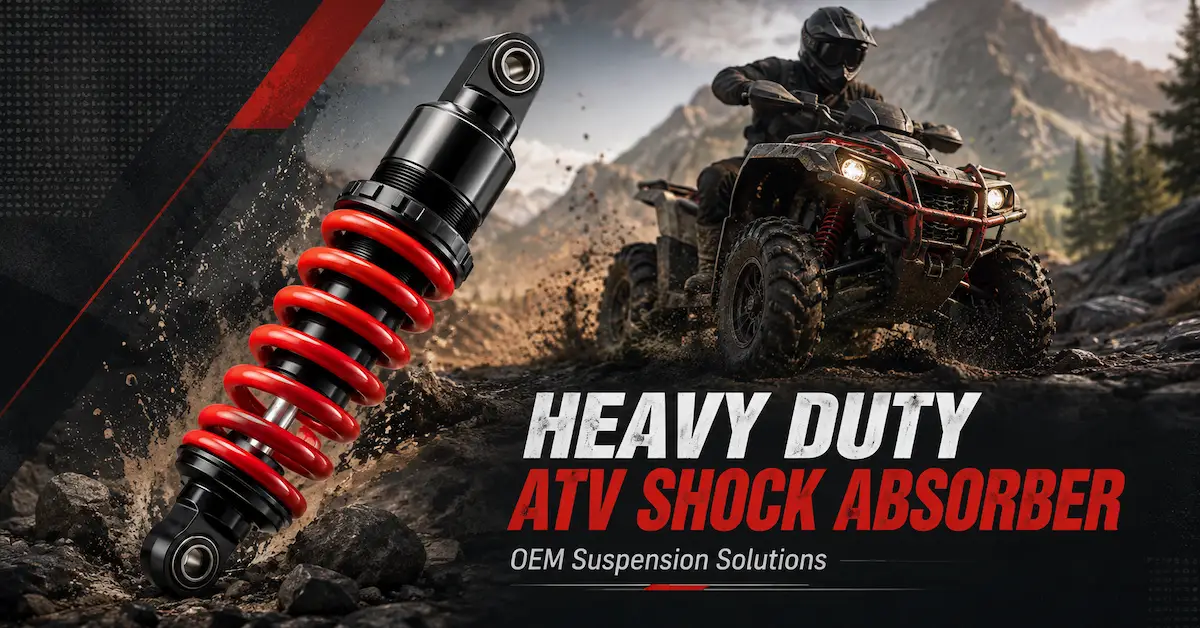
In the vast, unforgiving landscapes of Russia, where winter temperatures plummet to -40°C, snowmobile enthusiasts demand equipment that can endure the harshest conditions without faltering. The -40°C snowmobile shock spring Russia represents a pinnacle of engineering designed specifically for these brutal environments. These specialized springs are not just components; they are the backbone of reliability for riders tackling snow-covered tundras and icy trails. Crafted to maintain peak performance amid extreme cold, they ensure your snowmobile remains responsive and stable, preventing breakdowns that could turn an adventure into a crisis. As riders in Siberia and the Urals know all too well, choosing the right -40°C snowmobile shock spring Russia means the difference between a thrilling ride and a stranded ordeal.
Engineering for Arctic Extremes: The Design of -40°C Snowmobile Shock Springs
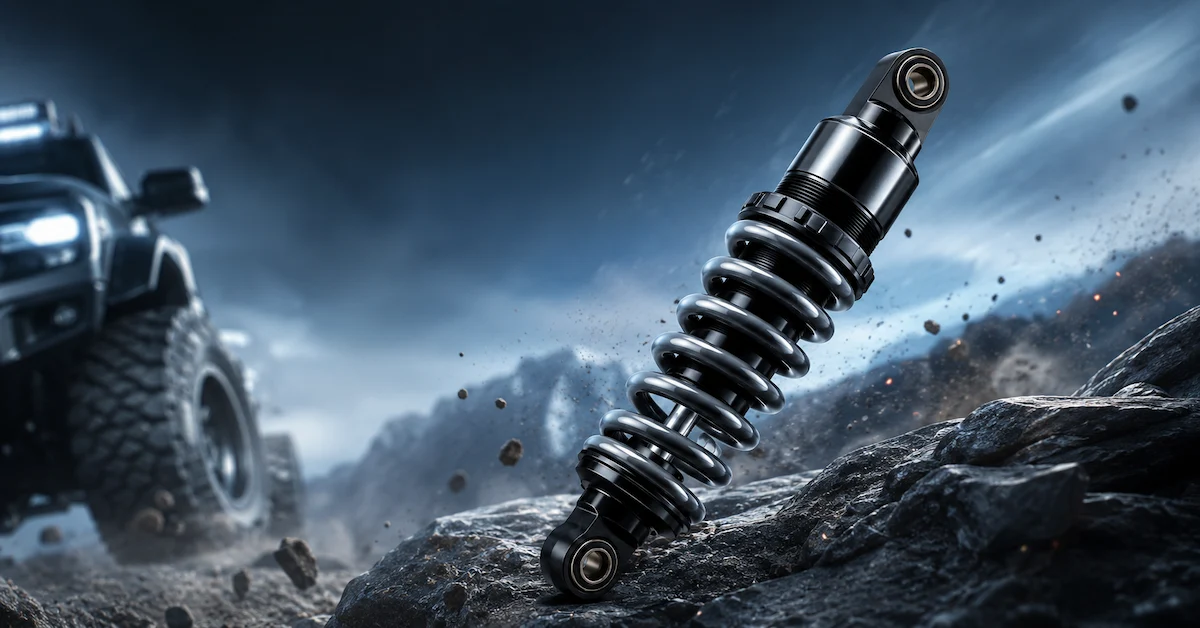
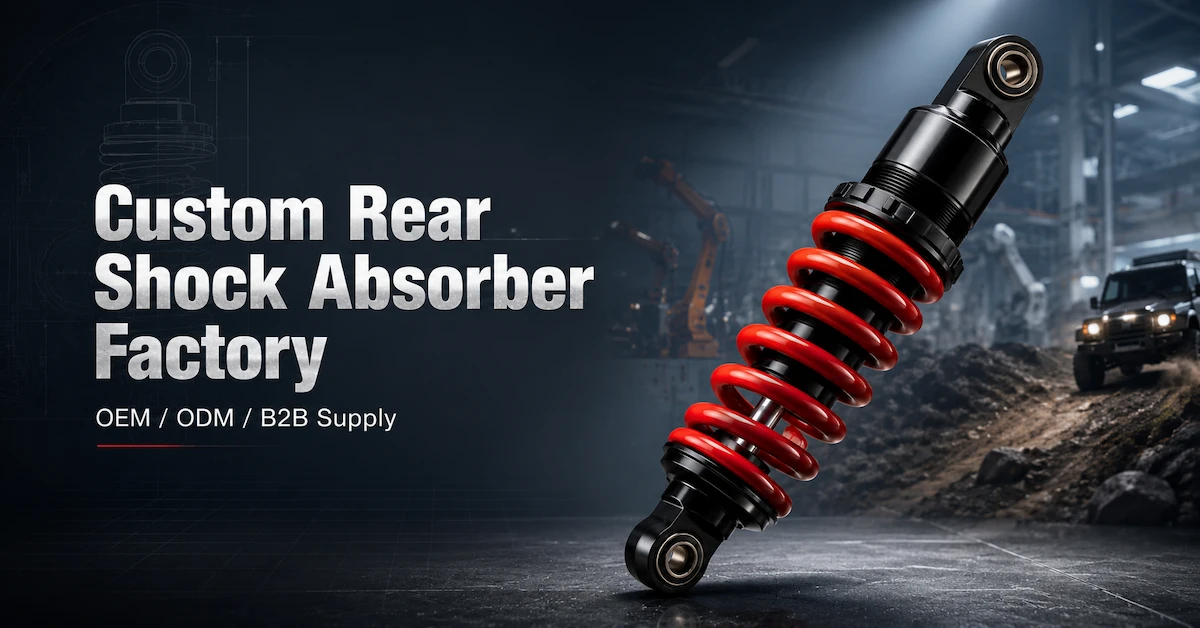
The core innovation behind the -40°C snowmobile shock spring Russia lies in its material composition and construction. Traditional springs often become brittle and lose elasticity in sub-zero temperatures, leading to vibrations, reduced shock absorption, and potential failure. However, these advanced springs utilize high-grade alloys and specialized coatings that resist embrittlement, preserving flexibility and strength even at -40°C. In Russia, where snowmobiles are essential for transportation, hunting, and recreation across frozen expanses, such durability is non-negotiable. Engineers have rigorously tested these springs in simulated Siberian blizzards, ensuring they can handle the compressive forces from heavy snow loads and high-speed impacts without compromising ride quality.
What sets the -40°C snowmobile shock spring Russia apart is its adaptive tension mechanism. This feature allows the spring to adjust dynamically to varying terrains, from powdery snowfields to compacted ice ridges. Riders report a smoother experience, with minimized jolts that enhance control and reduce fatigue during long hauls. Moreover, these springs are built to integrate seamlessly with popular snowmobile models used in Russia, such as those from leading brands favored in the region. By focusing on thermal stability, the design prevents the common issue of spring contraction in cold weather, which can alter suspension geometry and lead to uneven handling.
Real-World Applications and Benefits in Russian Snow Conditions
For Russian snowmobile operators, the -40°C snowmobile shock spring Russia offers tangible benefits that extend beyond mere survival in the cold. In regions like Yakutia, where temperatures routinely dip below -40°C, these springs enable consistent performance during extended patrols or cargo transport across frozen rivers. The enhanced shock absorption translates to better traction on slippery surfaces, reducing the risk of rollovers or slides. Enthusiasts who participate in snowmobile races or cross-country tours appreciate how the springs maintain their integrity over thousands of kilometers, outlasting standard options by up to 50% in extreme weather.
Durability is a key selling point, as these springs are engineered to withstand not only cold but also the abrasive wear from ice particles and salt-laden snow. In practical terms, this means fewer maintenance stops and lower replacement costs for users in remote areas where parts are hard to come by. Feedback from Russian riders highlights improved comfort, with the -40°C snowmobile shock spring Russia effectively damping out the bone-jarring vibrations typical of rough Arctic paths. This reliability fosters confidence, allowing riders to push their machines further without worry.
Installation and Maintenance Tips for Optimal Performance
Installing a -40°C snowmobile shock spring Russia is straightforward, but proper technique ensures longevity. Begin by elevating the snowmobile and securing it on a stable stand to access the suspension assembly. Remove the existing springs carefully, noting their orientation to avoid misalignment during reassembly. When fitting the new -40°C snowmobile shock spring Russia, apply a light coat of anti-corrosion lubricant to the coils, especially in Russia's humid cold climates that can accelerate rust formation. Torque all bolts to manufacturer specifications to guarantee even load distribution.
Maintenance is equally crucial. Regularly inspect the springs for signs of wear, such as micro-cracks or unusual stiffness, particularly after exposure to -40°C conditions. Cleaning off accumulated ice and debris post-ride prevents buildup that could impair function. In Russia's variable winter weather, where thaws can introduce moisture, storing the snowmobile in a dry environment helps preserve the springs' resilience. Following these steps, users can expect the -40°C snowmobile shock spring Russia to deliver years of dependable service, making it a wise investment for any serious rider.
Why Choose -40°C Snowmobile Shock Springs for Your Russian Adventures
In summary, the -40°C snowmobile shock spring Russia is more than a part—it's a testament to innovation tailored for one of the world's most challenging environments. From its robust materials that defy freezing temperatures to its adaptive design that enhances every ride, this spring empowers riders to conquer Russia's icy frontiers with ease. Whether you're a professional guide navigating the permafrost or a weekend warrior exploring backcountry trails, investing in this technology elevates safety, performance, and enjoyment. As demand grows in Russia's snowmobile community, these springs are becoming the go-to choice for those who refuse to let winter's bite slow them down. Embrace the cold, ride with confidence, and experience the unmatched reliability of the -40°C snowmobile shock spring Russia.