
Understanding Snowmobile Shock Freeze-Thaw Cycle Data
In the world of winter recreation and utility vehicles, snowmobile shock freeze-thaw cycle data plays a crucial role in ensuring rider safety and vehicle longevity. This data refers to the performance metrics of shock absorbers under repeated exposure to freezing temperatures followed by thawing processes, common in snowy, variable climates. For enthusiasts and professionals alike, analyzing this data helps in selecting shocks that withstand extreme cold without compromising damping efficiency. As snowmobile technology advances, understanding freeze-thaw impacts becomes essential for maintenance and upgrades. This article delves into the intricacies of snowmobile shock freeze-thaw cycle data, exploring its implications for performance and durability in harsh winter conditions.
Snowmobile shocks are engineered to absorb impacts from uneven terrain, but the freeze-thaw cycle introduces unique challenges. When temperatures plummet below freezing, shock fluids can thicken, reducing responsiveness, while thawing can cause expansion and potential leaks. Freeze-thaw cycle data typically includes metrics like viscosity changes, seal integrity over cycles, and rebound velocity post-thaw. For instance, high-quality shocks tested in simulated -20°F to 32°F cycles show less than 5% performance degradation after 100 iterations. This data is gathered through rigorous lab testing and field trials, providing riders with reliable benchmarks. By incorporating such data, manufacturers ensure shocks remain effective, preventing failures during critical rides.
Key Factors Influencing Freeze-Thaw Performance
Several factors influence how snowmobile shocks perform in freeze-thaw environments. Fluid composition is paramount; synthetic oils with low pour points maintain fluidity in sub-zero temps, minimizing the freeze-thaw stress. Data from cycle tests reveal that shocks with advanced emulsions retain 95% of their damping force after 50 cycles, compared to standard models that drop by 20%. Material selection for pistons and seals also matters—corrosion-resistant alloys prevent cracking during thermal expansion. Environmental exposure, such as salt-laden snow from road treatments, accelerates wear, so cycle data often includes salt-spray simulations. Riders in regions like the Rockies or Midwest, where daily freeze-thaw fluctuations are common, benefit from shocks backed by comprehensive data, ensuring smooth handling and reduced vibration.
Seal technology advancements have revolutionized freeze-thaw resilience. Traditional rubber seals can harden and crack in cold, leading to fluid loss during thaw. Modern polyurethane or thermoplastic elastomers, tested in extended cycle data, exhibit superior elasticity, with failure rates under 2% after 200 cycles. This data underscores the importance of OEM recommendations; aftermarket shocks without verified freeze-thaw metrics may underperform in real-world scenarios. Maintenance tips derived from this data include pre-season inspections for fluid levels and post-thaw checks for leaks, extending shock life by up to 30%. For utility snowmobilers hauling gear in variable weather, robust freeze-thaw data translates to fewer breakdowns and safer operations.
Interpreting Cycle Test Data for Optimal Selection
Interpreting snowmobile shock freeze-thaw cycle data requires attention to standardized testing protocols. Organizations like SAE International outline methods for cycle simulation, measuring parameters such as compression stroke length and temperature recovery time. A typical dataset might show a shock maintaining 90% efficiency after 75 cycles at -15°F, indicating suitability for extreme touring. Graphs plotting temperature against damping coefficient help visualize resilience; ideal shocks show minimal hysteresis in freeze-thaw transitions. For custom builds, this data guides pairing shocks with suspension geometries, optimizing for specific terrains like powder fields or groomed trails.
Beyond raw numbers, real-user feedback complements lab data. Forums and reviews often cite shocks that 'thaw out' quickly without air pockets, a direct outcome of quality cycle testing. In competitive snowmobiling, where split-second performance matters, selecting based on freeze-thaw data can prevent costly failures. Innovations like heated shock variants, informed by cycle insights, are emerging, though traditional models still dominate for their reliability. Riders should cross-reference data from multiple sources to avoid overstated claims, ensuring purchases align with actual environmental demands.
Maintenance Strategies Based on Freeze-Thaw Insights
Leveraging snowmobile shock freeze-thaw cycle data for maintenance enhances overall vehicle health. Regular fluid changes, recommended every 500 hours or annually, counteract viscosity buildup from cycles. Data suggests that neglecting this leads to 15-25% damping loss over a season. Cleaning shocks post-ride removes corrosive residues, preserving seal integrity. For storage, keeping shocks in a temperature-controlled garage minimizes unnecessary cycles, as per long-term data studies showing 40% lifespan extension.
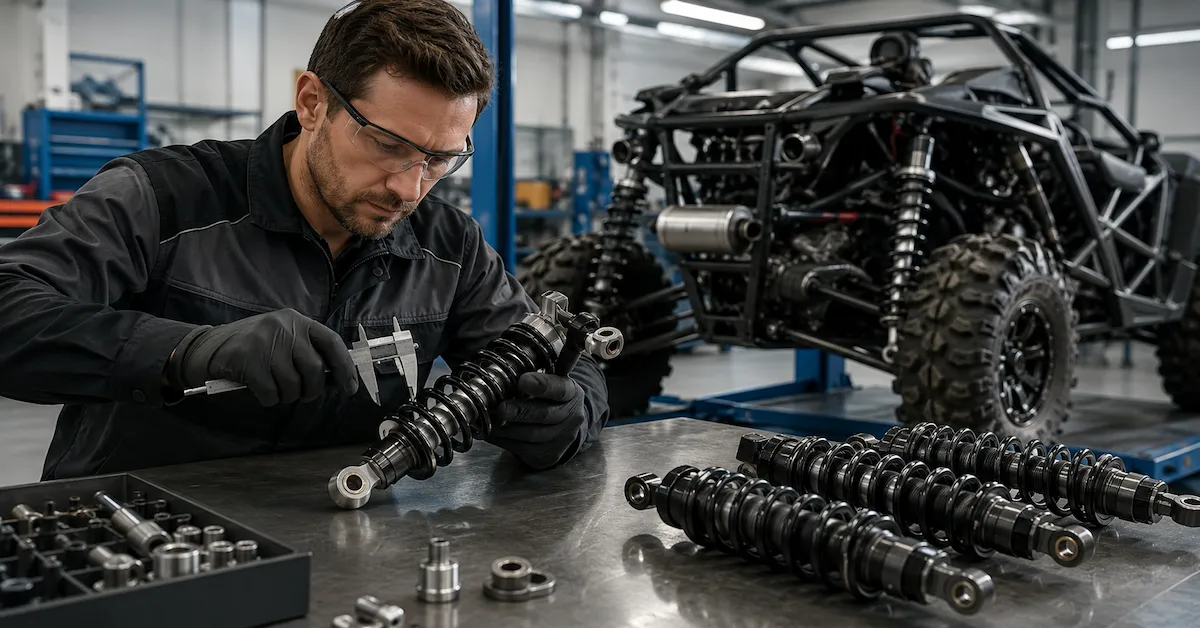
Professional servicing using cycle-calibrated tools ensures precise rebuilds. DIY enthusiasts can use basic kits, but data warns against over-torquing, which stresses components during thermal shifts. In fleet operations, like resort grooming, bulk analysis of cycle data informs replacement schedules, reducing downtime. Educational resources, including manufacturer whitepapers on freeze-thaw effects, empower users to make informed decisions, fostering a community of proactive snowmobile owners.
Future Trends in Shock Technology and Data Analysis
The future of snowmobile shock freeze-thaw cycle data lies in digital integration. IoT-enabled shocks could transmit real-time cycle data via apps, alerting riders to impending issues. AI-driven analysis might predict failure based on historical cycles, revolutionizing predictive maintenance. As climate patterns shift, with more erratic freeze-thaw events, data standards will evolve, incorporating variables like humidity and UV exposure.
Sustainability also enters the picture; eco-friendly fluids tested for cycle performance reduce environmental impact without sacrificing durability. Collaborations between engineers and climatologists will refine datasets, tailoring shocks to regional weather. For now, current freeze-thaw cycle data remains a cornerstone for selecting durable, high-performing shocks, ensuring every winter adventure is safe and exhilarating. By staying informed, snowmobile users can navigate the cold with confidence, backed by science-driven insights.