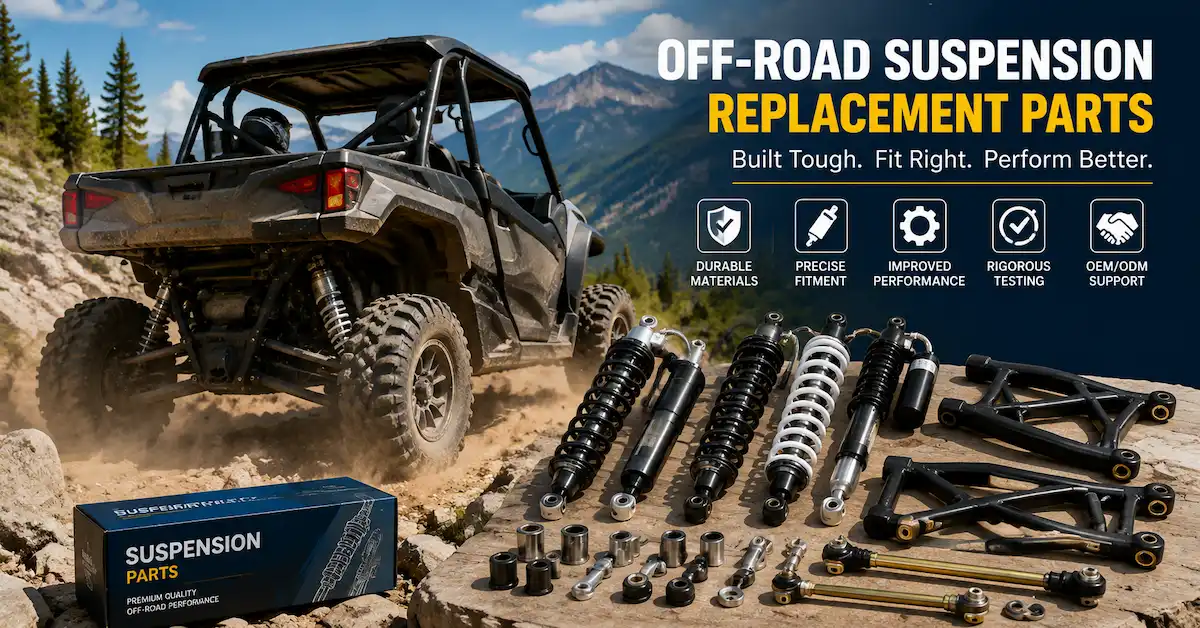

Understanding DOT-Certified Motorcycle Spring Specs for Enhanced Ride Safety
When it comes to customizing your motorcycle for optimal performance and safety, DOT-certified motorcycle spring specs play a pivotal role. These specifications ensure that the suspension components meet stringent federal standards set by the Department of Transportation (DOT), providing riders with reliable handling and durability on the road. As motorcycle enthusiasts seek to upgrade their bikes, understanding these specs becomes essential to avoid compromising safety or legal compliance. In this comprehensive guide, we'll delve into the intricacies of DOT-certified motorcycle spring specs, exploring their importance, key features, and how they contribute to a smoother, safer riding experience.
The Fundamentals of DOT Certification for Motorcycle Springs
DOT certification for motorcycle springs guarantees that the components have undergone rigorous testing to withstand real-world stresses. The 'DOT' label signifies compliance with Federal Motor Vehicle Safety Standards (FMVSS), particularly those related to suspension systems. For motorcycle springs, this means they must endure impacts, vibrations, and environmental factors without failure. Key specs include load capacity, which determines how much weight the spring can support—typically ranging from 200 to 600 pounds depending on the bike model—and spring rate, measured in pounds per inch (lbs/in), which dictates the stiffness of the spring. A higher spring rate offers firmer suspension for sport bikes, while lower rates suit cruisers for comfort.
Material composition is another critical aspect of DOT-certified motorcycle spring specs. High-quality springs are often made from chrome silicon or titanium alloys, which provide superior tensile strength and fatigue resistance. These materials must pass corrosion tests, ensuring longevity even in wet or salty conditions. Additionally, the certification process evaluates the spring's coil diameter, wire thickness, and free length to prevent issues like bottoming out or excessive sag. By adhering to these specs, manufacturers ensure that the springs integrate seamlessly with shocks and forks, maintaining the bike's geometry for precise steering and braking.
Why DOT-Certified Specs Matter for Motorcycle Performance
Investing in DOT-certified motorcycle spring specs isn't just about meeting legal requirements; it's about elevating your ride's overall performance. Non-certified springs may seem cost-effective initially, but they often lead to premature wear, unsafe handling, and potential accidents. Certified specs ensure balanced load distribution, reducing the risk of frame stress or tire uneven wear. For instance, a spring with a mismatched rate can cause the front end to dive excessively during braking, compromising control.
Moreover, these specs are tailored to various riding styles. Adventure bikes might require progressive-rate springs that soften under light loads but stiffen for heavy off-road impacts, all while staying within DOT guidelines. Track enthusiasts benefit from specs that allow for adjustable preload, enabling fine-tuning for cornering speeds. Regular inspection of these components, guided by DOT standards, can prevent failures; look for signs like coil binding or rust that indicate the need for replacement. Ultimately, choosing DOT-certified options translates to peace of mind, knowing your suspension can handle everything from daily commutes to long highway tours.
Key Specifications to Look for in DOT-Certified Motorcycle Springs
Navigating the world of DOT-certified motorcycle spring specs involves understanding several technical details. Start with the outer diameter (OD) and inner diameter (ID), which must match your bike's shock or fork dimensions—common sizes range from 1.5 to 3 inches for OD. The number of active coils affects the spring's travel; more coils mean greater extension but potentially slower response. Compression and extension lengths are also vital, with DOT requiring minimum travel of 4-6 inches for most street-legal bikes to absorb bumps effectively.
Fatigue life is a standout spec, often exceeding 100,000 cycles in certified springs, ensuring they outlast standard replacements. Environmental resistance is crucial too; specs include salt spray testing for up to 1,000 hours to mimic coastal riding. For electric motorcycles, emerging DOT standards emphasize lightweight springs that don't interfere with battery placement. When selecting, consult your bike's service manual for OEM-equivalent specs, and always verify the DOT mark on the product. Brands like Progressive Suspension or Öhlins provide detailed spec sheets, helping riders make informed choices.
Installation and Maintenance Tips for Optimal Spring Performance
Proper installation of DOT-certified motorcycle spring specs is key to unlocking their full potential. Begin by safely supporting the bike and removing the old springs, taking care not to damage seals or bushings. Measure the sag before and after installation—aim for 25-30% of total travel under rider weight. Torque all fasteners to manufacturer specs, usually 15-25 ft-lbs for suspension bolts, to avoid loosening over time.
Maintenance routines should include annual checks for wear, cleaning with mild soap to remove debris, and lubricating pivot points. If you notice unusual noises or handling changes, it could signal a spec mismatch or degradation. For custom setups, professional tuning ensures compliance with DOT standards while optimizing for your weight and riding style. Remember, altering specs beyond certification can void warranties and safety assurances, so stick to approved modifications.
Comparing DOT-Certified Springs Across Popular Motorcycle Types
Different motorcycle categories demand specific DOT-certified motorcycle spring specs. For sportbikes like the Yamaha R1, specs favor high spring rates (400-500 lbs/in) for aggressive handling, with short free lengths to minimize unsprung weight. Touring models, such as the Honda Gold Wing, prioritize comfort with dual-rate springs that offer progressive damping, supporting loads up to 1,000 pounds including luggage.
Dirt bikes under DOT for street use, like the KTM 690 Enduro, require specs with extended travel (8-10 inches) for rough terrain, balanced with street-legal stability. Electric bikes are seeing new specs focused on regenerative braking compatibility, where springs must handle variable torque without excessive bounce. By comparing these, riders can select springs that enhance rather than hinder their bike's design intent, all while maintaining certification.
Future Trends in DOT-Certified Motorcycle Spring Technology
The evolution of DOT-certified motorcycle spring specs is driven by advancements in materials and smart tech. Carbon fiber composites are emerging, offering 50% weight reduction without sacrificing strength, potentially updating FMVSS No. 123 for suspension durability. Adaptive springs with electronic damping integration allow real-time adjustments via apps, meeting new DOT guidelines for autonomous-assisted riding.
Sustainability is another focus; recyclable alloys and eco-friendly coatings are becoming standard in certifications. As electric and hybrid motorcycles proliferate, specs will adapt to unique vibration profiles from motors. Staying ahead means following updates from the National Highway Traffic Safety Administration (NHTSA), ensuring your upgrades remain compliant and cutting-edge.
In conclusion, mastering DOT-certified motorcycle spring specs empowers riders to build safer, more responsive machines. Whether upgrading for performance or reliability, these standards provide a foundation for excellence on every journey. Always prioritize certified components to ride with confidence.