
Corrosion Resistant Shock-Springs: Extending Suspension Life in Harsh Environments
Why Corrosion Resistance Matters in Suspension
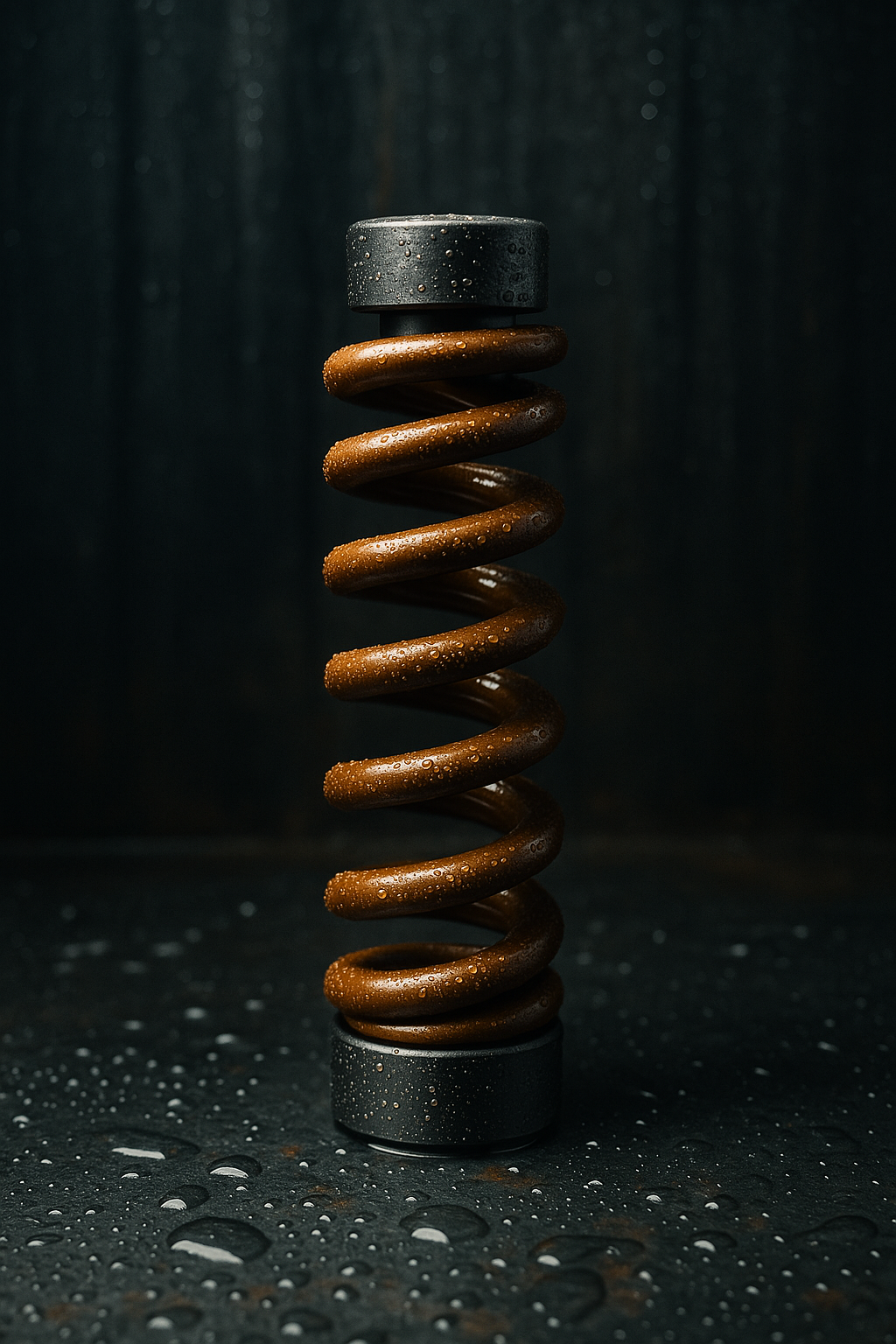
Suspension components face extreme stress, but corrosion is often the silent killer. Exposure to moisture, salt, and mud gradually weakens springs, causing cracks, reduced load capacity, and eventual failure. A spring may look intact, but internal rust compromises its tensile strength, turning it into a hidden liability.
In high-humidity or coastal regions, standard suspension springs can lose up to 30% of their lifespan without corrosion protection. For heavy-duty applications, this leads directly to higher replacement costs and reduced vehicle uptime.
The Engineering Behind Corrosion Resistant Shock-Springs
Modern corrosion resistant shock-springs use a combination of material science and protective coatings to ensure longevity:
-
High-tensile alloy steel → Base material engineered for fatigue resistance.
-
Powder coating and zinc plating → Dual-layer protection against rust and abrasion.
-
E-coating (electrophoretic painting) → Ensures even coverage across complex coil geometries.
-
Salt spray testing → Simulates years of exposure to road salt and coastal climates.
These practices create durable suspension parts that maintain both structural strength and surface protection.
Real-World Applications
-
Coastal Roads → Springs resist salt-induced rust.
-
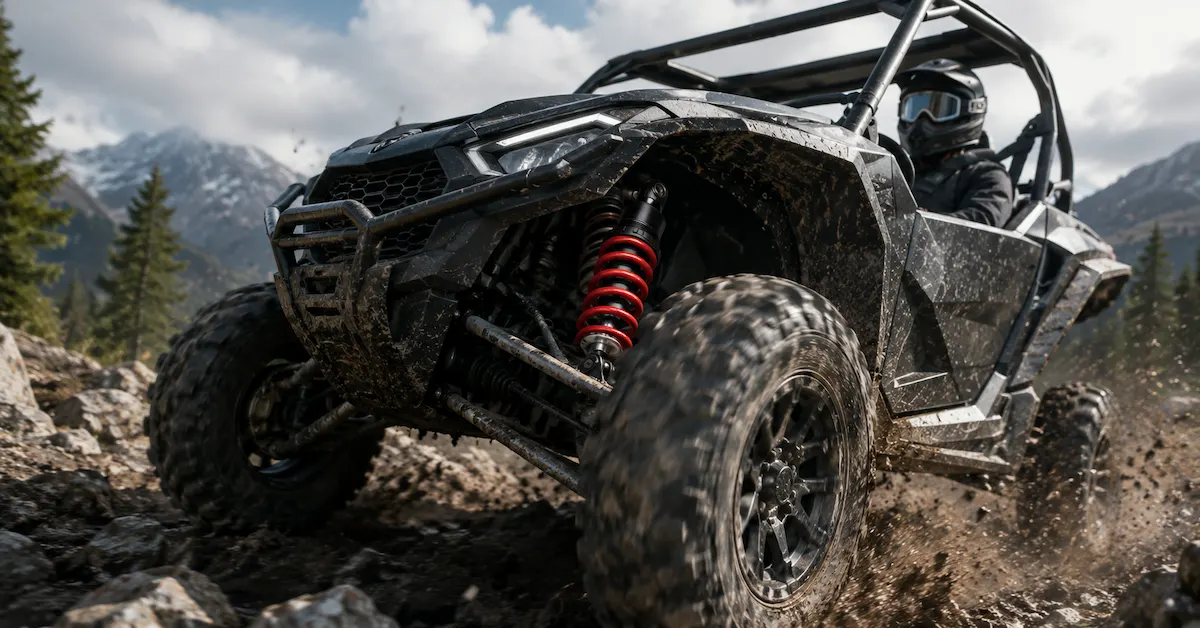
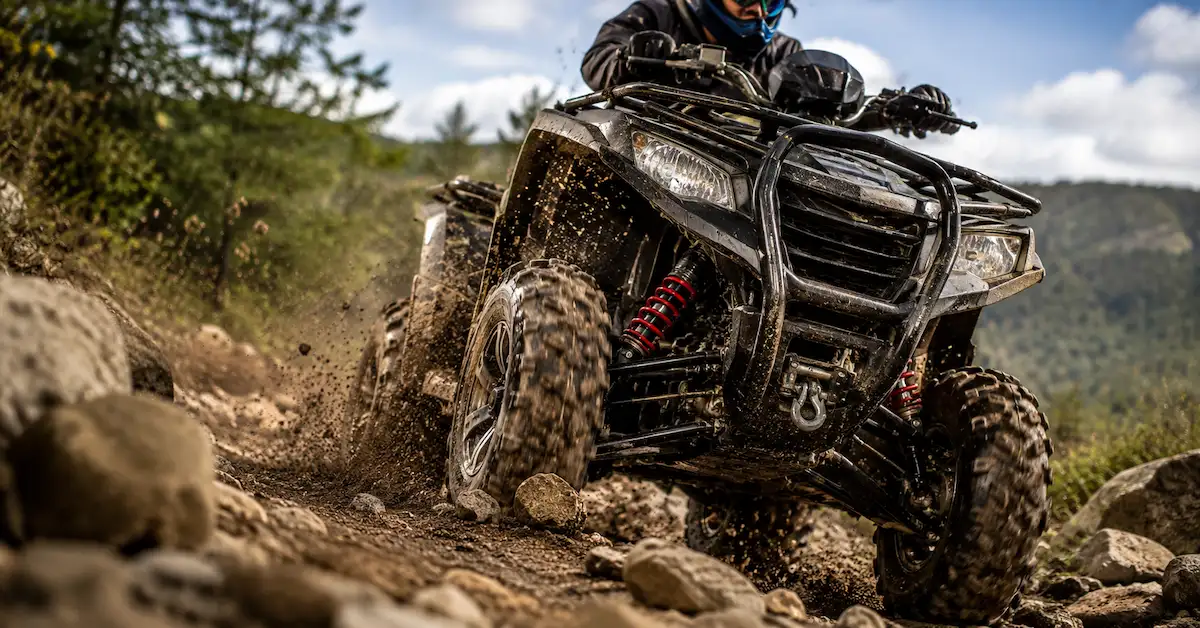
Off-Road Trails → Mud and water exposure no longer accelerates wear.
-
Heavy Utility Work → Load-bearing capability remains stable despite harsh conditions.
-
Cold Climates → Springs withstand repeated exposure to de-icing chemicals.
This adaptability makes corrosion resistant springs essential for long-term suspension reliability.
Technical Comparison
| Feature | Standard Spring | Corrosion Resistant Shock-Spring |
|---|---|---|
| Material | Basic carbon steel | High-tensile alloy steel |
| Surface Protection | Minimal coating | Zinc plating, powder coating |
| Rust Resistance | Low | High, proven in salt spray testing |
| Service Life | Shorter | Extended, especially in harsh climates |
| Application Suitability | Mild conditions | Off-road, coastal, industrial |
The difference is not cosmetic—it directly impacts lifecycle cost and safety.
Manufacturing and Testing Standards
High-quality shock absorber systems demand strict validation:
-
Fatigue cycle testing → Simulates over 100,000 compressions.
-
Salt spray chamber → Replicates years of coastal exposure.
-
Thermal cycling → Ensures coatings remain intact under temperature shifts.
-
Dimensional precision → CNC-controlled winding for uniform coil spacing.
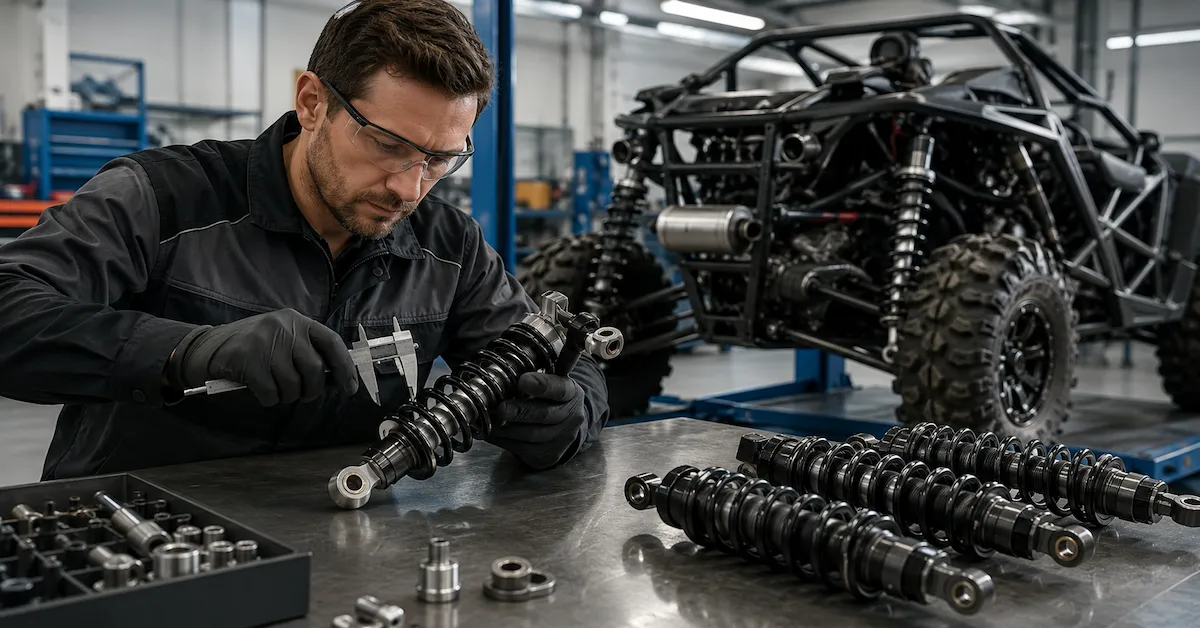
At Bedo, these are standard processes, ensuring every anti-rust coil spring meets demanding industry expectations.
Bedo’s Advantage in Corrosion Resistant Springs
At Bedo, we focus on suspension solutions that thrive in environments where others fail:
-
Advanced anti-corrosion coatings validated by laboratory testing.
-
Material expertise combining tensile strength with surface protection.
-
Application-specific engineering, whether for off-road, coastal, or industrial use.
-
ISO-certified consistency for reliable global supply.
This ensures Bedo springs provide real-world durability, not just specifications on paper.
Protection That Extends Performance
Corrosion resistance is not just an add-on—it is fundamental to suspension reliability. A corrosion resistant shock-spring ensures that performance, safety, and stability last across years of harsh use.
At Bedo, we integrate high-grade materials, advanced coatings, and rigorous testing into every spring, delivering suspension components that reduce lifecycle costs and extend operational uptime.
Explore Bedo’s suspension spring solutions
Contact us for corrosion resistant suspension projects