
Buggy Suspension: Why Precision Engineering Defines Off-Road Reliability
The Real Pain Points of Buggy Suspension
Drivers and fleet owners often face the same frustrations when suspension isn’t engineered properly:
-
Premature sagging → Springs lose height quickly under heavy load.
-
Thermal fade → Shocks overheat in desert racing, losing damping and control.
-
Corrosion → Cheap coatings fail in coastal or winter climates.
-
Batch inconsistency → One vehicle feels stable, another unstable, even with the same “universal” parts.
For buyers, these failures mean downtime, higher maintenance costs, and customer dissatisfaction.
Why OEM-Grade Buggy Suspension Matters
A buggy’s suspension is designed around specific terrain and payload requirements. Generic solutions rarely deliver consistency.
| Feature | Generic Suspension | OEM-Grade Suspension (Bedo) |
|---|---|---|
| Material Quality | Basic steel | Chrome-silicon alloys, fatigue-resistant |
| Heat Resistance | Poor | Designed to prevent thermal fade |
| Corrosion Protection | Minimal coating | Powder coating, zinc plating |
| Batch Consistency | Variable | ISO-certified repeatability |
| Application Fit | One-size-fits-all | Custom geometry for ATVs, UTVs, buggies |
This table highlights why OEM suspension manufacturers like Bedo deliver value beyond price: engineering precision leads to reliability.
Real-World Scenarios Where Suspension Fails
-
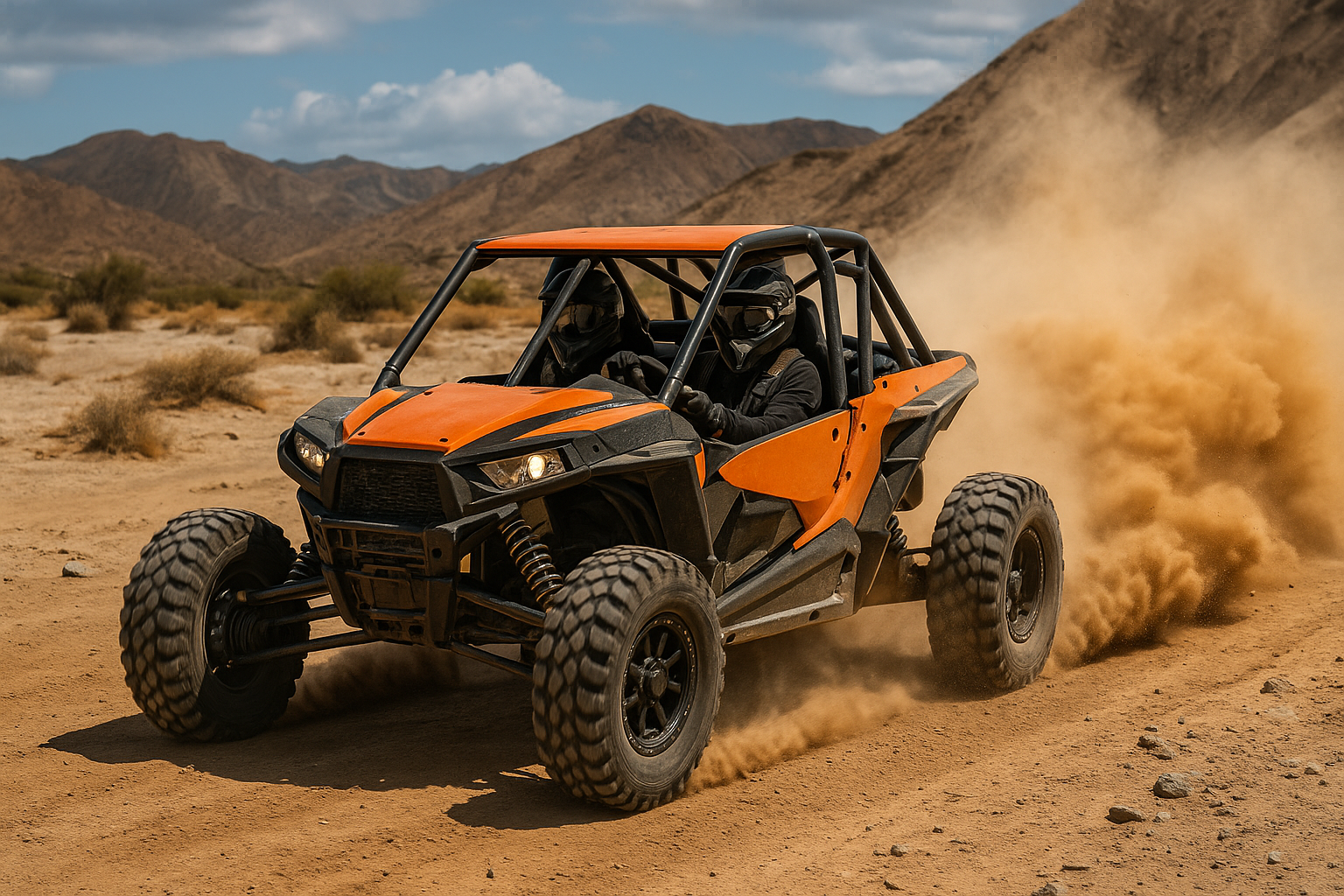
Desert Racing → Shocks undergo thousands of compressions per hour. Without heat-treated alloys and reinforced oil channels, damping fades within a single race.
-
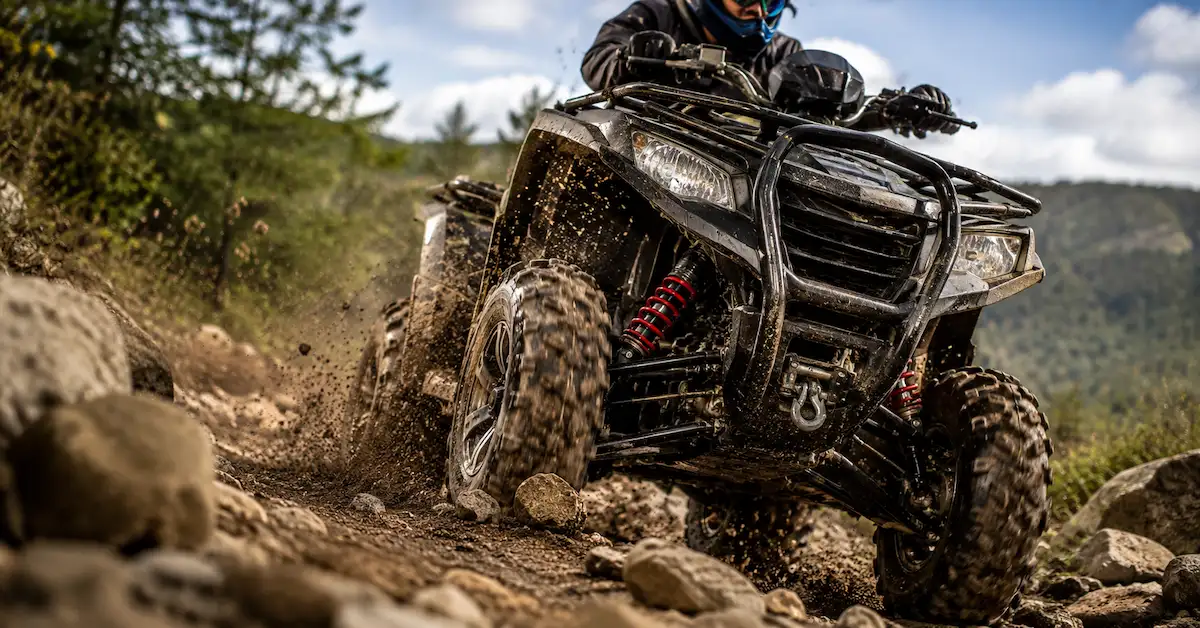
Trail Riding → Rocky surfaces demand rebound control. Generic shocks either make the ride harsh or unstable.
-
Utility Use → Buggies carrying tools need heavy-duty coil springs. Without them, ride height collapses after months of use.
Each case proves that buggy suspension must be engineered for purpose, not just built for cost.
Buyer Questions Answered
Q1: Can buggy suspension be customized for racing and work platforms alike?
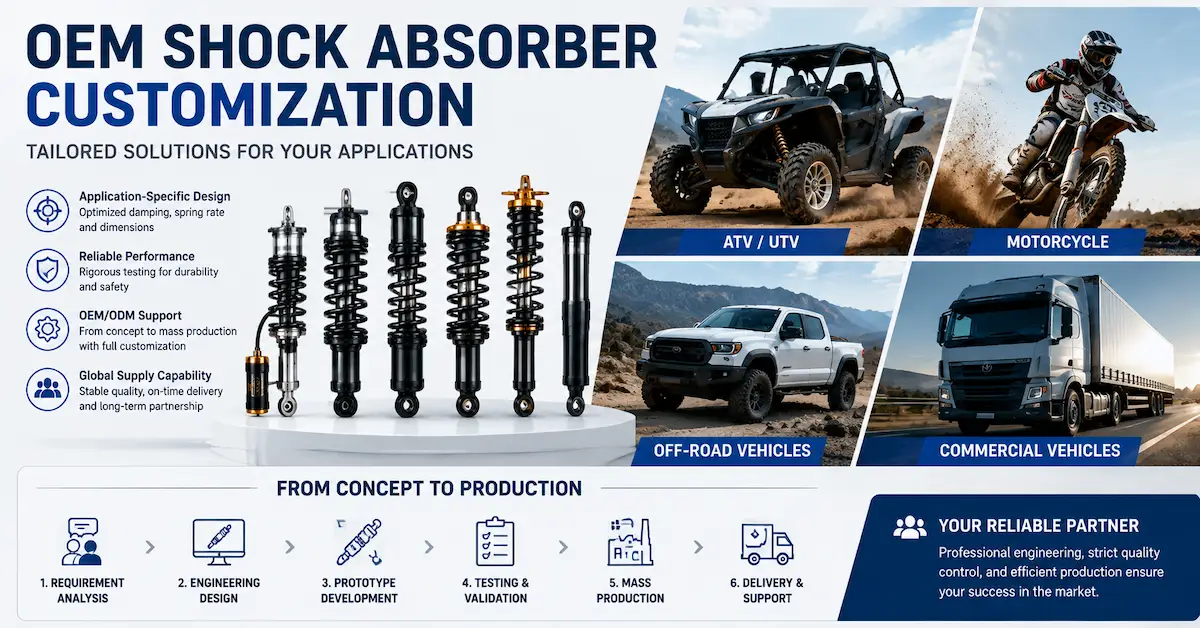
Yes. At Bedo, custom suspension parts are engineered for different geometries—racing buggies get long-travel shocks, while utility platforms get reinforced coil springs.
Q2: What testing ensures durability?
Fatigue tests simulate 100,000+ compression cycles, thermal tests prevent fade in desert conditions, and corrosion tests replicate coastal climates.
Q3: How do I know if a supplier is OEM-capable?
Look for ISO certifications, CAD-based validation data, and consistent batch reports. Without these, reliability is guesswork.
Trends Shaping the Future of Buggy Suspension
-
Lightweighting: Hybrid alloys and composites reduce mass while improving agility.
-
Digital validation: CAD and finite element analysis predict failures before physical testing.
-
Sustainability: Factories now emphasize recyclable materials and eco-friendly coatings.
These trends will redefine how suspension is built—and why partnering with an OEM suspension manufacturer ensures future-ready solutions.
Bedo’s Role in Off-Road Suspension
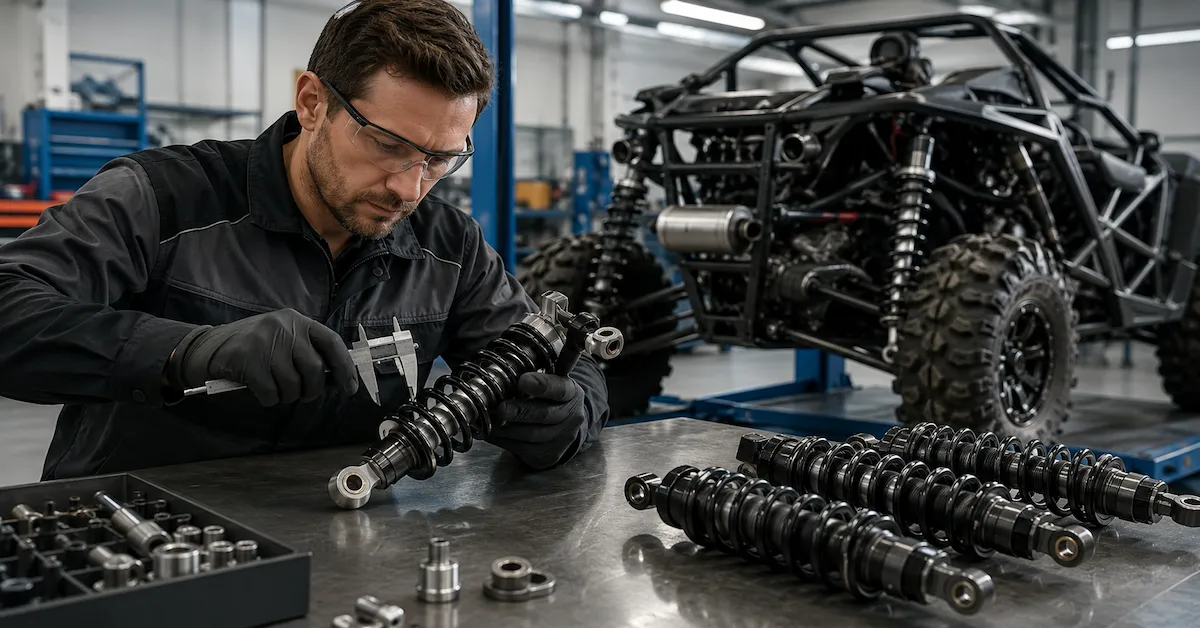
At Bedo, we focus on engineering suspension that meets off-road realities:
-
Premium alloys & treatments extend fatigue life.
-
OEM customization delivers platform-specific designs for desert racing, trail riding, and utility fleets.
-
Comprehensive validation ensures shocks resist thermal fade, corrosion, and fatigue.
-
ISO-certified systems guarantee consistency across thousands of units.
This combination positions Bedo as more than a buggy suspension supplier—we are a trusted partner for global brands.
Stability That Builds Confidence
A buggy can only perform as well as its suspension. Generic shocks may fit, but only OEM-grade systems guarantee reliability across dunes, trails, and worksites.
At Bedo, our mission is simple: to deliver buggy suspension that lasts, adapts, and performs. By combining precision engineering, validation, and customization, we help brands and distributors secure trust in every ride.
Explore Bedo’s buggy suspension solutions
Contact us for OEM suspension projects